Contents:
- The Truth About “Permanent” Laser Hair Removal
- How Long Does Laser Hair Removal Actually Last?
- Initial Results Timeline
- Long-Term Durability
- Why Regrowth Happens (And for Whom)
- Hormonal Sensitivity
- Hair Colour and Skin Type
- The Follicle Itself
- Permanent Hair Reduction vs. Permanent Hair Removal
- Factors That Affect How Long Results Last
- Managing Expectations: What You’ll Actually Experience
- Cost Breakdown for Long-Term Maintenance
- Best Candidates for Long-Lasting Results
- When Laser Hair Removal Might Not Be “Permanent Enough”
- Practical Tips to Maximize How Long Results Last
- During Your Treatment Course
- After Your Treatment Course
- Frequently Asked Questions
- Can laser hair removal ever be truly permanent?
- Is laser hair removal permanent after enough sessions?
- Will facial hair grow back differently after laser treatment?
- How often will I need touch-ups after laser hair removal?
- Is laser permanent hair removal better than electrolysis?
- The Bottom Line: Realistic Permanence for Your Situation
Can a treatment actually make your facial hair disappear for good? That’s the question millions of people ask before booking their first laser appointment. The answer isn’t a simple yes or no—and understanding the nuance could save you time, money, and disappointment.
Quick Answer
Laser hair removal achieves permanent hair reduction, not permanent removal. Most people see 70-90% hair reduction after a full treatment course, with results lasting 3-7 years or longer. Some regrowth typically occurs, especially on hormonal areas like the face. Touch-up sessions every 6-12 months maintain results long-term.
The Truth About “Permanent” Laser Hair Removal
Here’s the catch: the word “permanent” in the beauty industry doesn’t mean what it sounds like. The FDA defines laser hair removal as “permanent hair reduction,” not “permanent hair removal.” That distinction matters. A lot.
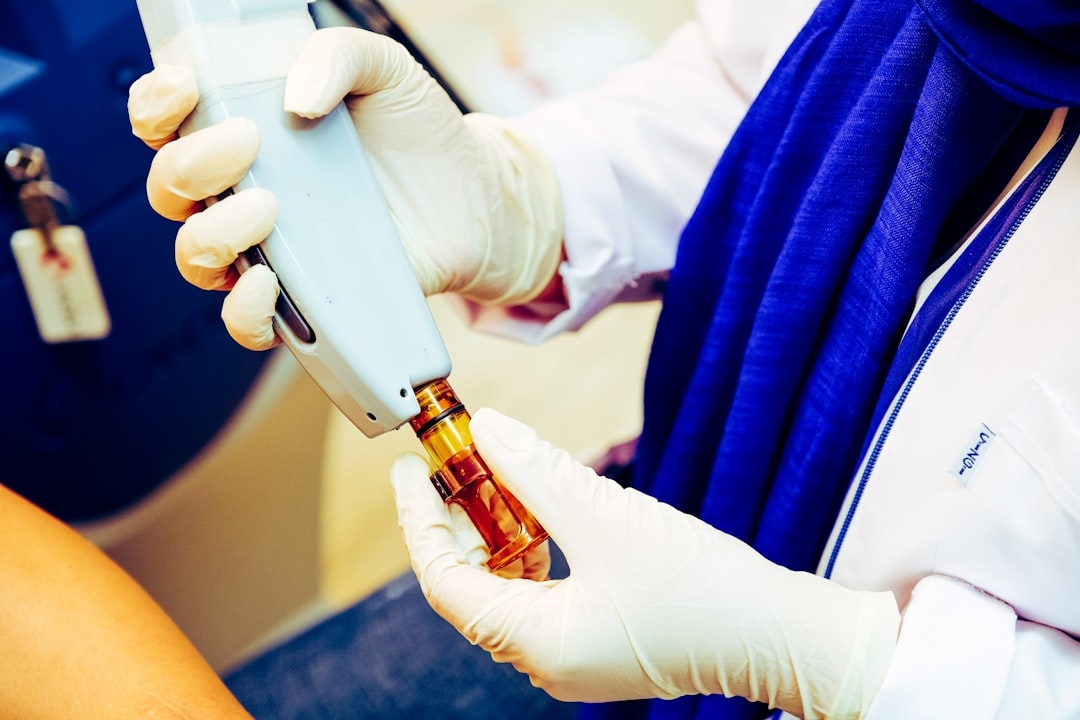
When technicians use lasers on your skin, they’re destroying the hair follicle at its root by heating the pigment in the hair shaft. The problem is that follicles can regenerate, especially after years pass or if your hormones shift. What you’re actually paying for is a dramatic reduction—typically 70-90% of treated hair disappears—and a significant gap before regrowth appears.
Think of it this way: traditional shaving or waxing requires constant maintenance. Laser treatment reduces that maintenance dramatically but doesn’t eliminate it entirely for most people. For some lucky individuals, results genuinely last years with no regrowth. For others, fine hairs reappear after 12-18 months. The variation depends on your skin type, hair colour, hormones, and the specific laser technology used.
How Long Does Laser Hair Removal Actually Last?
Real timescales matter when you’re considering a £150-£300+ treatment. Here’s what the research and client experience show:
Initial Results Timeline
After your first session, you won’t see immediate results. Hair continues shedding for 1-3 weeks. By week 4-6, you’ll notice significant reduction in the treated area. However, you’ll need 6-12 sessions spaced 4-8 weeks apart for optimal results. The entire course typically takes 6-12 months.
By the end of your treatment series, most people report 70-90% hair reduction. Some achieve up to 95% reduction, particularly on smaller areas like the upper lip or underarms.
Long-Term Durability
Clinical studies show laser results lasting:
- 1-3 years: Most common timeframe for noticeable regrowth, particularly on hormonally sensitive areas
- 3-7 years: Common for underarms, legs, and chest
- 7+ years: Some individuals report minimal or no regrowth beyond this
The variability exists because your body continuously produces new hair. Laser destroys existing follicles and dormant ones in the active growth phase, but some follicles sit dormant and can wake up years later. Additionally, hormonal fluctuations—pregnancy, thyroid issues, polycystic ovary syndrome (PCOS), or menopause—can trigger dormant follicles to reactivate.
Why Regrowth Happens (And for Whom)
Not everyone experiences significant regrowth. Understanding why regrowth occurs helps you set realistic expectations before booking treatment.
Hormonal Sensitivity
The most common culprit for regrowth is hormonal change. Facial hair—especially on the chin, jawline, and upper lip—responds strongly to androgens (male hormones). Women with PCOS, irregular periods, or thyroid imbalances often find new fine hairs appearing 18-24 months after laser treatment. Pregnancy and the years leading up to menopause also trigger regrowth.
Men typically see more permanent results on the body because body hair is less hormonally sensitive. However, facial hair regrowth remains common.
Hair Colour and Skin Type
Dark hair responds best to laser treatment because the laser targets melanin (the pigment). Blonde, red, or grey hair absorbs less laser energy, meaning fewer follicles are destroyed. If you have light hair and experience regrowth, it might be because more follicles survived the initial treatment.
Darker skin types may show longer-lasting results overall, though newer laser technologies (like Nd:YAG lasers) have improved safety and efficacy for all skin tones.
The Follicle Itself
Your hair follicles exist in three growth phases: anagen (active), catagen (transitional), and telogen (resting). Lasers only destroy follicles in the anagen phase. The others remain dormant and unaffected. Over months and years, those resting follicles can shift into the active phase and begin producing hair again.
Permanent Hair Reduction vs. Permanent Hair Removal
This distinction is crucial and often overlooked in marketing materials. Here’s what each term means:
Permanent hair reduction: A long-term decrease in hair density and thickness. Most laser-treated hair doesn’t return, but some fine, light regrowth may occur. This is what laser treatment achieves.
Permanent hair removal: Complete, permanent elimination with zero regrowth. Only electrolysis—not laser—comes close to achieving this for some people, and even then, it’s not guaranteed.
If a clinic promises “permanent laser hair removal” with no asterisks or caveats, you’re dealing with misleading marketing. The FDA prohibits companies from claiming permanent removal—only permanent reduction.
Factors That Affect How Long Results Last
Several variables influence whether your results last 18 months or 5 years:
- Laser technology: Newer, more powerful lasers (diode and alexandrite lasers) typically deliver longer-lasting results than older technology
- Technician skill: Proper settings and technique matter enormously. Underpowered treatments fail quickly
- Session spacing: Completing sessions at the recommended interval (not rushing or extending the schedule) affects final outcomes
- Sun exposure: Tanned skin can reduce laser efficacy and increase side effects. Protecting treated areas post-treatment is essential
- Hormonal stability: Stable hormones mean more stable results. Significant hormonal changes trigger regrowth
- Hair density: Thicker, denser hair growth typically shows more durable results than fine, light hair
Managing Expectations: What You’ll Actually Experience
Let’s be honest about the real-world experience. After completing your course of treatment:
Best case scenario: You’ll have minimal or no regrowth for 5-7 years. When hair eventually returns, it’s thinner and lighter than before. Many people get touch-up sessions yearly and are satisfied with the maintenance versus the alternative (daily shaving or monthly waxing).
Typical scenario: You’ll enjoy 2-4 years of dramatically reduced hair. Some fine regrowth appears around year 2-3, particularly on the face. You book an occasional touch-up session (every 12-18 months) to maintain smooth skin. This costs £100-£150 per session.
Less common scenario: Hormonal changes, new medications, or medical conditions trigger regrowth sooner. You might see noticeable regrowth at 12-18 months. Touch-up sessions every 6-12 months keep you comfortable, but this requires more ongoing commitment and cost.
Cost Breakdown for Long-Term Maintenance
Understanding the full financial picture helps you decide if laser is worth the investment compared to shaving, waxing, or depilatory creams.
Initial treatment course (6-12 sessions): £900-£2,000+ depending on area size and clinic location. London and southeast England clinics average £150-£250 per session for small areas (upper lip, underarms) and £200-£400 for medium areas (full face, bikini).
Annual touch-up maintenance: £150-£300 per year (1-2 sessions) for most people maintaining results. Some people need 2-4 touch-ups yearly.
10-year cost comparison:
- Laser: £2,000 initial + £1,500-£3,000 maintenance = £3,500-£5,000
- Waxing: £50-£100 per session, roughly 6-8 times per year = £3,000-£8,000+ over 10 years
- Daily shaving: Razors + shaving cream = roughly £100-£200 annually = £1,000-£2,000 over 10 years, plus daily time cost
For facial hair specifically, laser becomes cost-effective after year 2-3 for most people. For body hair on larger areas, the savings are even more dramatic.
Best Candidates for Long-Lasting Results
You’re more likely to achieve results lasting 5+ years if you:
- Have darker hair and lighter skin (classic ideal, though modern lasers work well across skin tones)
- Have stable hormones with no known endocrine conditions
- Aren’t planning significant hormonal changes (pregnancy, hormone therapy) in the next 12-24 months
- Complete your full treatment course as scheduled without rushing
- Choose a reputable clinic with experienced technicians and modern equipment
- Are treating body hair rather than facial hair (face shows more regrowth overall)
When Laser Hair Removal Might Not Be “Permanent Enough”
Laser might frustrate you if you:
- Have PCOS or other conditions causing ongoing hormonal hair growth
- Have naturally grey, blonde, or very light hair (laser is less effective)
- Can’t tolerate the sessions and spacing required (skipping sessions worsens results)
- Have an unrealistic expectation of never seeing any hair again
- Are unwilling to do touch-up sessions (regrowth is inevitable for most)
For people with hormonal conditions, electrolysis might be a better long-term option, even though it’s more time-intensive and expensive upfront.
Practical Tips to Maximize How Long Results Last
During Your Treatment Course
These steps directly affect how permanent your results become:
- Stick to the schedule: Spacing sessions too far apart (beyond 8 weeks) allows your hair cycle to reset and reduces efficacy
- Avoid sun exposure: Use SPF 30+ daily on treated areas. Tanned skin reduces laser safety and effectiveness
- Don’t pluck or wax between sessions: Only shave. Plucking and waxing remove the hair root, and the laser needs that pigmented shaft
- Choose the right clinic: Verify they use FDA-cleared equipment and employ licensed technicians with demonstrable experience
- Ask about power settings: Your technician should customize power levels to your skin and hair type. One-setting-fits-all clinics often underdeliver
After Your Treatment Course
Maintenance habits extend how long results genuinely last:
- Schedule maintenance sessions early: Book your first touch-up at 6-12 months post-course completion, before regrowth becomes obvious. One maintenance session can reset your timeline for another 12-18 months
- Protect from sun: UV exposure can stimulate dormant hair follicles. Ongoing sun protection helps
- Monitor hormonal changes: If you notice accelerated regrowth, discuss potential hormonal causes with your GP
- Stay consistent: People who skip years of touch-ups and then return often need a mini-course (2-3 sessions) rather than one session
Frequently Asked Questions
Can laser hair removal ever be truly permanent?
Not for the vast majority of people. Clinical studies and real-world experience show that most people experience some regrowth after 2-5 years, particularly on hormonally sensitive areas. Some individuals genuinely experience minimal regrowth beyond 5-7 years, but this is the exception rather than the rule. The FDA’s definition of “permanent hair reduction” reflects this reality.
Is laser hair removal permanent after enough sessions?
No. Adding more sessions beyond your optimal course doesn’t create “more permanent” results. Most clinics recommend 6-12 sessions for optimal outcomes. Beyond that, diminishing returns kick in—you’re paying for minimal additional benefit. Touch-up sessions years later address regrowth, not the original course.
Will facial hair grow back differently after laser treatment?
Yes, typically finer and lighter. The hair that does return is usually thinner and less pigmented than before, even if regrowth occurs. Many people find this acceptable and don’t pursue additional laser sessions, relying instead on light maintenance shaving.
How often will I need touch-ups after laser hair removal?
For most people, every 12-18 months is realistic. Some need touch-ups annually; others can stretch to 2 years. Body hair typically needs less frequent maintenance than facial hair. Budget £150-£300 per touch-up session and plan for 1-2 sessions yearly to maintain smooth skin long-term.
Is laser permanent hair removal better than electrolysis?
Both have trade-offs. Laser is faster, less painful, and more suitable for larger areas. Electrolysis is more thorough and effective on all hair colours (including grey and blonde), but it’s significantly more time-consuming and expensive. If you have light hair or need absolutely guaranteed permanence, electrolysis is worth considering despite the higher cost (£40-£100 per 30-minute session, with many sessions required).
The Bottom Line: Realistic Permanence for Your Situation
Laser hair removal is genuinely transformative for most people. The shift from daily shaving to occasional touch-ups is life-changing, even if it’s not truly permanent. After a full course of treatment, you’ll spend roughly 95% less time managing that hair than you did before.
Is it permanent? No. Is it permanent enough to change how you approach grooming for the next 3-7 years? Absolutely. The reframing matters: you’re not buying permanent removal; you’re buying years of freedom and dramatic convenience.
Before booking, have an honest conversation with the clinic about your specific situation. Mention any hormonal conditions, upcoming life changes (pregnancy, medication adjustments), hair colour, and skin tone. A good clinic sets realistic expectations upfront, explains their technology clearly, and discusses touch-up costs honestly. That transparency is a sign you’ve found someone worth trusting with your skin.
Most people who complete a full laser course and commit to occasional maintenance sessions report high satisfaction. The treatment lives up to the hype—just not in the way the word “permanent” initially suggests.