Contents:
- The Numbers: What’s Normal Daily Hair Loss
- Visibility Bias: Why Hair Loss Feels More Extreme Than It Is
- The Growth Cycle: Why Shedding Happens
- Distinguishing Normal Shedding from Excessive Loss
- The Gentle Pull Test: DIY Assessment
- Conditions Causing Excessive Shedding Beyond Normal
- FAQ: Normal Hair Loss
- Is losing 100 hairs per day normal?
- How many hairs should be on my pillow?
- Is it normal to lose hair when combing or brushing?
- When should I worry about hair loss?
- Can I stop normal shedding?
- The Bottom Line
Noticing hair on your pillow, in the drain, or on your brush triggers immediate concern. The unsettling reality is that hair loss is completely normal—in fact, it’s evidence your scalp is healthy and cycling properly. Understanding what constitutes normal shedding versus alarming loss prevents unnecessary anxiety over a completely natural biological process.
The Numbers: What’s Normal Daily Hair Loss
Human scalps contain approximately 100,000 hair follicles (African ancestry: 80,000–120,000; European: 100,000–150,000; Asian: 80,000–140,000). Each follicle cycles through growth, transition, and resting phases. The resting phase lasts 2–3 months, then the hair sheds.
With roughly 100,000 follicles and a 2–3 month resting phase, approximately 1/60 to 1/90 of all hairs shed daily. This calculates to:
- Normal daily shedding: 50–100 hairs. This is the standard range; variation within this range is completely normal.
- Seasonal variation: Shedding increases slightly in autumn (up to 20% more); decreases slightly in spring. This is normal biological variation triggered by daylight changes.
- Individual variation: Hair length, density, and stress levels cause daily variation of 20–30%. Losing 60 hairs one day and 95 the next is completely normal.
Beyond 100–150 hairs daily (sustained over 2+ weeks) suggests increased shedding warranting investigation.
Visibility Bias: Why Hair Loss Feels More Extreme Than It Is
You notice lost hair concentrated in specific places—the shower drain, your hairbrush, your pillow—which creates an illusion of greater loss than reality. Consider: 100 hairs shed daily distributed throughout the day across your pillow, clothes, and surroundings are barely noticeable. But the same 100 hairs concentrate in the shower (due to water pressure and scalp manipulation) and appear alarming.
Additionally, wet hair appears thinner and more fragile than dry hair. A clump of 20 wet hairs in the drain looks like tremendous loss; the same 20 hairs dry on your head aren’t visually significant.
Most people experiencing normal shedding perceive it as excessive because they’re only noticing it in specific locations.
The Growth Cycle: Why Shedding Happens
Hair exists in three phases:
Anagen (growth phase): 2–7 years. Hair actively grows approximately 6 inches annually. Roughly 85–90% of scalp hairs are in this phase at any given time.
Catagen (transition phase): 2–3 weeks. Hair stops growing; the follicle transitions from growth to rest. Roughly 1–2% of hairs.
Telogen (resting phase): 2–3 months. Hair is shed and replaced by new growth. Roughly 10–15% of hairs.
This cycling is healthy and necessary. Without shedding, old hairs would persist whilst new hairs try to grow, creating no net improvement in density. Shedding clears space for replacement hairs.
Distinguishing Normal Shedding from Excessive Loss
The following signs indicate normal shedding:
- Daily loss of 50–100 hairs.
- No visible change in hair density over weeks or months.
- Hair loss distributed evenly across the scalp (not concentrated at hairline or crown).
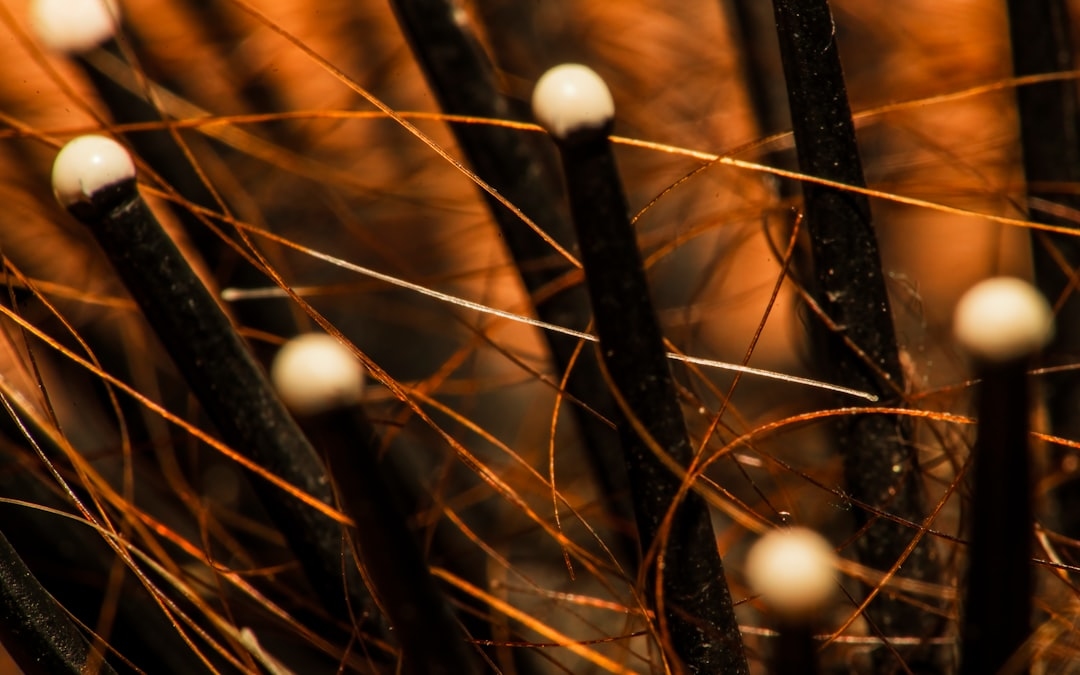
- Hairs shed have the white bulb at the root (indicating naturally shed resting-phase hairs).
- No accompanying scalp symptoms (pain, redness, flaking).
The following suggest excessive loss warranting evaluation:
- Sustained loss exceeding 150 hairs daily for 2+ weeks.
- Visible thinning developing within 2–3 weeks.
- Concentrated thinning at the hairline, crown, or specific areas.
- Scalp symptoms (pain, redness, itching, flaking).
- Sudden onset after a stressor (surgery, illness, medication change).
- Hairs breaking (lacking the white bulb).
The Gentle Pull Test: DIY Assessment
To differentiate normal shedding from excessive loss:
- Part a small section of clean, dry hair.
- Grasp 40–60 hairs at the roots gently.
- Pull slowly away from your scalp (not violently; gentle, steady tension).
- Count the hairs that come out.
Normal: Fewer than 3 hairs come out. This is expected; it means the follicles are firmly holding the hairs in the growth phase.
Concerning: 5+ hairs come out with gentle pulling. This suggests increased numbers of hairs in the resting phase, possibly indicating telogen effluvium or another cause of excessive shedding.

Repeat this test in 3–4 different areas of the scalp. If results are consistent, the finding is reliable.
Conditions Causing Excessive Shedding Beyond Normal
Telogen effluvium: A stressor (surgery, illness, extreme stress, rapid weight loss, medication change) pushes many follicles into the resting phase prematurely. 6–8 weeks later, all these hairs shed simultaneously. Daily loss can reach 200–400 hairs. The condition is self-limiting: once the stressor is addressed or time passes, shedding resolves within 3–6 months.
Nutritional deficiency: Iron deficiency (common in women), zinc deficiency, or severe protein deficiency cause diffuse hair loss. Blood work confirms. Supplementation (iron 18mg, zinc 15mg, protein 50g daily) restores growth within 3–6 months.
Pattern baldness: Genetic sensitivity to DHT causes progressive follicle miniaturisation. Loss is gradual over months/years and concentrated at the hairline or crown. Increased daily shedding isn’t the primary feature; progressive thinning is.
Thyroid dysfunction: Under or hyperthyroidism causes diffuse hair shedding. Blood work (free NHS) confirms. Treatment (levothyroxine for hypothyroidism, antithyroid drugs for hyperthyroidism) resolves shedding within 2–3 months of dose stabilisation.
FAQ: Normal Hair Loss
Is losing 100 hairs per day normal?
Yes. 100 hairs daily is at the upper limit of normal shedding. This is completely expected and doesn’t require intervention. The perception of excessive loss is usually visibility bias—noticing hair concentrated in the shower rather than distributed throughout your day.
How many hairs should be on my pillow?
Typically 5–20 hairs on a pillow overnight is normal. Noticing more than 50+ hairs on your pillow regularly suggests shedding exceeding the normal range, but a single night with visible hair isn’t concerning.
Is it normal to lose hair when combing or brushing?
Yes. Combing dislodges loose hairs (those already in the resting phase about to shed anyway). Losing 10–30 hairs when brushing is normal. Losing 100+ hairs requires evaluation.
When should I worry about hair loss?
Seek evaluation if daily shedding exceeds 150 hairs consistently for 2+ weeks, visible thinning develops rapidly, or shedding is accompanied by scalp symptoms. Also contact your GP if shedding follows a clear stressor (surgery, medication change) and persists beyond 3–4 months.
Can I stop normal shedding?
No, and you shouldn’t want to. Normal shedding is necessary for healthy hair cycling. Attempting to stop it through topical treatments is counterproductive. Your hair’s natural growth and shedding cycle is working correctly.
The Bottom Line
Losing 50–100 hairs daily is normal, healthy, and expected. The visibility of this loss—concentrated in the shower or on your pillow—creates an illusion of excessive shedding. Most people experiencing concern about hair loss are simply witnessing normal biological cycling.
Assess your concern using the gentle pull test and careful observation of whether hair density is actually changing. If density remains stable and shedding is 50–100 daily, you’re experiencing normal shedding. If shedding exceeds 150 daily or density visibly decreases, investigate potential causes (stress, nutrition, thyroid function) with your GP.