Contents:
- The Unmistakable Visual Signs of Dry Hair
- Texture and Feel: What Dry Hair Feels Like in Your Hands
- Breakage Patterns and Damage Signs
- What the Pros Know
- How Dry Hair Looks When Wet
- Scalp Condition and Root Appearance
- Practical Assessment: Testing Your Hair Right Now
- Different Hair Types Show Dryness Differently
- Why This Matters Beyond Appearance
- FAQ: Quick Answers About Dry Hair
- Taking Action on Dry Hair
Dry hair screams for attention, but most people don’t recognize the warning signs until serious damage has already set in. The truth is straightforward: if your hair lacks shine, breaks easily, or feels rough to the touch, you’re looking at dehydration at the cuticle level. This guide shows you exactly what to look for.
The Unmistakable Visual Signs of Dry Hair
Dry hair presents itself through several visual cues that become obvious once you know what to watch for. The most telling sign is a complete absence of lustre. Healthy hair reflects light and appears shiny; dry hair absorbs it, creating a dull, lifeless appearance instead. This happens because the cuticle layer—the outermost protective sheath of each strand—becomes raised and irregular, scattering light rather than reflecting it evenly.
The colour fades faster in dry hair, even if you’ve invested in professional colouring. In 2026, professional colorists often recommend focusing treatment sessions specifically on hydration because coloured dry hair looks muddy and loses dimension within just 3-4 weeks of application. By comparison, well-hydrated coloured hair holds vibrancy for 8-12 weeks.
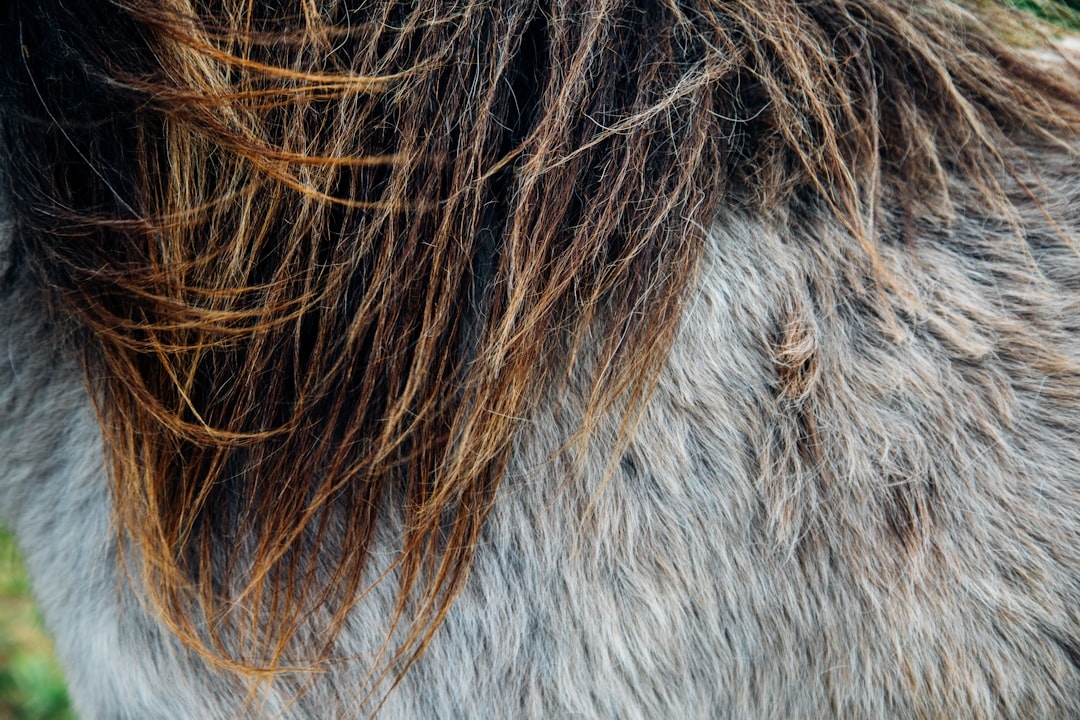
Frizz is another hallmark. Individual strands separate and stand away from the hair shaft because they’re seeking moisture from the air. This becomes worse in humid environments as the hair desperately attempts to rebalance its moisture levels. You’ll notice this particularly at the mid-lengths and ends.
Texture and Feel: What Dry Hair Feels Like in Your Hands
Run your fingers through dry hair and it feels straw-like, rough, or even slightly brittle. The texture lacks smoothness. While normal hair feels almost slippery when moisturized, dry hair catches on your fingers slightly. This roughness comes from those raised cuticles we mentioned earlier.
Hold a single strand between your thumb and forefinger and run it from root to tip. Dry hair creates friction; healthy hair glides. Professionals use this simple test constantly because it reveals the actual moisture level before any other analysis. One experienced stylist shared her approach: “I stopped relying on what clients told me about their hair condition. Instead, I ask them to run a strand between their fingers. That tactile feedback tells me everything I need to know. When they feel that catch or roughness, they understand immediately why their hair needs help.”
Brittleness is another tactile marker. Dry hair snaps or breaks with minimal tension, whereas healthy hair stretches slightly before breaking. Test this by taking a strand and gently pulling it—healthy hair stretches roughly 20-30% before breaking, but severely dry hair snaps at just 5-10% extension.
Breakage Patterns and Damage Signs
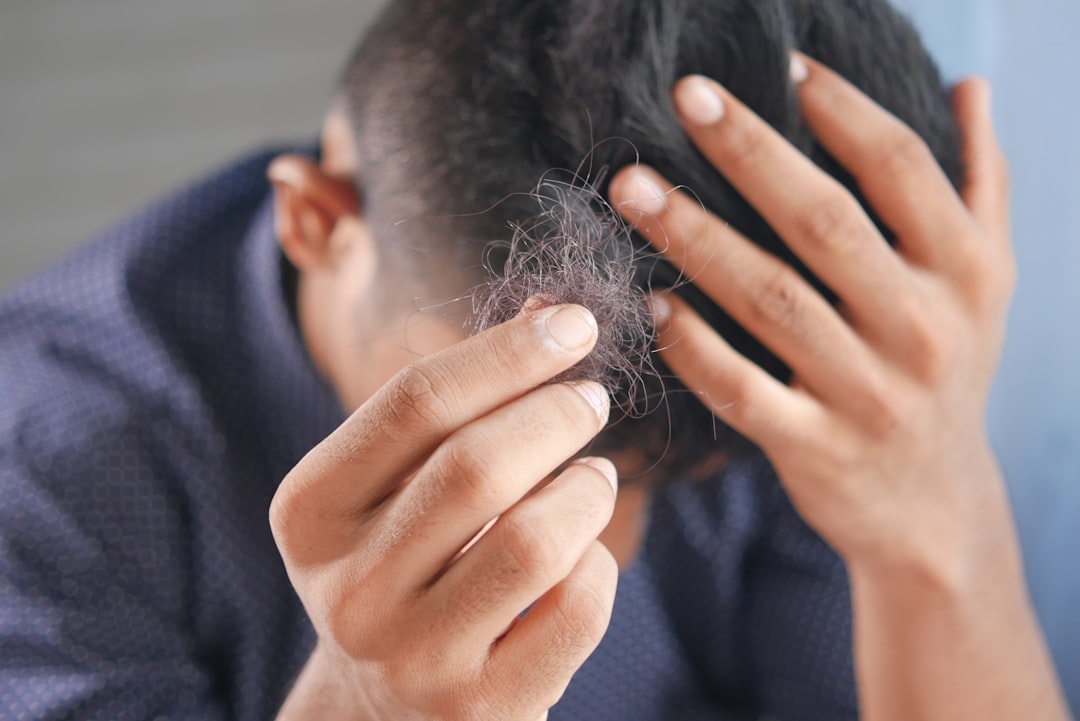
Dry hair displays specific breakage patterns. The most obvious is split ends, which occur when the protective cuticle layer completely deteriorates at the hair tip. But dry hair also breaks along the shaft, not just at the ends. You’ll notice shorter pieces falling during brushing or in the shower.
The crown area often shows the most dramatic signs because this region receives the most sun exposure and friction from rubbing against pillows. Look for a noticeably thinner, wispy crown if you have dry hair. This isn’t just about individual hairs breaking—it’s about the cumulative effect of repeated damage.
Hair that’s severely dry often develops what stylists call “straw ends”—a jagged, feathered appearance at the hair tips rather than a clean, sealed edge. Under magnification, you’d see the individual cuticles completely flayed apart. This stage requires trimming because the damage is permanent.
What the Pros Know
Professional stylists check hair porosity to assess dryness. They spray water on a small section—if droplets sit on the surface, the hair is low-porosity and coated (possibly with product buildup). If water absorbs immediately, the hair is porous and dehydrated. High porosity combined with dryness is the most challenging combination to treat because the hair absorbs moisture but can’t retain it. The fix requires both hydrating treatments and sealant products to lock moisture in place.
How Dry Hair Looks When Wet
This is where dry hair reveals its true condition. When you rinse your hair in the shower, healthy wet hair clings to itself and forms sleek strands. Dry wet hair looks wiry and separate, almost thread-like. The strands don’t cling together; instead, they repel each other slightly.
Healthy wet hair sits smoothly against your scalp and neck. Dry wet hair tends to stick out at odd angles, creating an unkempt appearance before you’ve even started styling. This happens because water can’t penetrate and hydrate the cuticle layers properly.
Pay attention to how quickly your hair dries. Dry hair dries faster than healthy hair because the cuticles are open and moisture escapes rapidly. If your hair air-dries in 20-30 minutes, you’re likely dealing with significant dehydration. Healthy hair typically takes 45 minutes to an hour to fully air-dry.
Scalp Condition and Root Appearance
Dry hair often coexists with a dry scalp, though not always. If you notice flaking, itching, or a tight feeling on your scalp, this compounds the overall dryness of your lengths. The roots might look greasy if your scalp is overcompensating by producing excess oil, but the mid-lengths and ends appear parched.
Some people experience this exact pattern: oily roots with dry ends. This happens when the scalp’s natural oils can’t distribute down the hair shaft effectively—either because the hair is too damaged to allow travel of those oils, or because the cuticles are so raised that the oil runs off rather than coating the hair. The solution isn’t simply shampooing more; it requires targeted hydration for the ends while managing scalp oil differently.
Practical Assessment: Testing Your Hair Right Now
Conduct these five-minute tests to confirm whether you’re dealing with dry hair:
- The Stretch Test: Take a single strand and gently pull it. If it snaps immediately without stretching, dryness is severe. Healthy hair stretches 20-30% before breaking.
- The Glide Test: Run a damp finger down a strand from root to tip. Friction or roughness indicates dryness. Smooth gliding indicates healthy moisture balance.
- The Shine Test: Hold your hair up to natural light. Dull, flat appearance suggests dehydration. Shine and reflection indicate healthy cuticle alignment.
- The Porosity Test: Place a clean strand in a glass of water. If it sinks immediately, the hair is highly porous and likely dry. If it floats, the cuticles are closed.
- The Moisture Test: Mist a small section with water. If the water beads on the surface, the hair is coated or low-porosity. If it absorbs instantly, the hair is dehydrated.
Different Hair Types Show Dryness Differently
Curly and coily hair shows dryness more dramatically because moisture distribution is naturally uneven on curved strands. The curves prevent natural scalp oils from traveling down the hair length. Dry curly hair loses its curl pattern definition and appears frizzy and undefined rather than bouncy and shaped.
Straight hair shows dryness through loss of shine and smoothness, with the entire length appearing limp and lacking movement. Fine hair shows dryness through increased breakage and thinness, whereas thick hair appears dull but may retain some structure.
Colour-treated hair in any texture is more prone to dryness because the colour process opens the cuticle and removes some protective layers. If you’ve coloured your hair within the last three months, assume it needs additional hydration.
Why This Matters Beyond Appearance
Recognizing what dry hair looks and feels like matters because you can intervene before permanent damage occurs. Dry hair isn’t just an aesthetic concern—it’s structurally compromised. The protein bonds within each strand are breaking down. Proteins cost between £15-£35 per treatment at salons in the UK, but prevention through moisture maintenance costs far less.
Dry hair becomes progressively more damaged with each wash, heat styling session, and exposure to sunlight. If you catch it early—when you notice just the initial dullness and slight texture change—you can reverse much of the damage with consistent hydration treatments and reduced heat styling. Once you reach the straw-ends stage with severe breakage, you’re managing damage rather than reversing it.
FAQ: Quick Answers About Dry Hair
Can dry hair become healthy again? Partially yes. You can restore moisture and improve appearance through deep conditioning, hydrating treatments (ranging from £20-£60 for salon versions in 2026), and reduced heat styling. However, any hair that’s already broken off or split cannot be repaired—only trimmed.
What’s the difference between dry hair and dehydrated hair? Dry hair lacks natural oils; dehydrated hair lacks moisture. A person can have oily dry hair (dehydrated but with oil buildup). Treatment differs: dry hair needs oil-based products, while dehydrated hair needs water-based hydrating treatments. Both can coexist.
How often should I wash dry hair? Once or twice per week maximum. More frequent washing strips remaining oils. Use lukewarm or cool water—hot water opens cuticles and allows moisture to escape. Time your deep conditioning sessions for 20-30 minutes minimum, or use overnight treatments.
Does brushing dry hair make it worse? Yes. Brush only when damp, using a wide-toothed comb or paddle brush. Dry hair is more fragile and snaps easily. Always brush gently from the ends upward, not from the roots down, to avoid excessive breakage.
What’s the fastest way to improve dry hair appearance? Use a hydrating hair serum or oil as a finishing product after styling. These cost £10-£25 and provide immediate shine and smoothness. For longer-term improvement, commit to weekly deep conditioning treatments for at least eight weeks.
Taking Action on Dry Hair
Now that you understand what dry hair actually looks like—dull, rough, prone to breakage, with raised cuticles that scatter light instead of reflecting it—you can assess your own hair honestly. Most people discover their hair is drier than they realized once they know what to look for.
Start with the texture assessment: run your fingers through a damp strand. If you feel roughness or snagging, prioritize hydration. Invest in one quality deep conditioning treatment (try salon brands like Olaplex, Kérastase, or affordable alternatives like Cantu if budget is tight—prices range from £8-£45 depending on brand). Use it weekly for four weeks and retest your hair’s feel and appearance. You’ll notice the difference, and you’ll recognize immediately why dry hair requires attention.