Contents:
- The Moisture-Frizz Connection: What’s Actually Happening
- Root Causes: Why Your Curly Hair Frizzes More Than Others
- Porosity: The Hidden Factor
- Damage and the Cuticle Layer
- Product Buildup and Protein-Moisture Imbalance
- Environmental Triggers You Can Actually Control
- Humidity and Climate
- Water Quality
- Towel Friction
- Comparison: Frizz vs. Undefined Curls—Know the Difference
- Prevention Strategies That Actually Work
- Hydration Protocol
- The “Praying Hands” Technique
- Plopping and Microfibre Methods
- Protective Sleeping Habits
- Product Solutions and Budget Breakdown
- When Frizz Signals Deeper Damage
- Frequently Asked Questions
- Can I ever fully eliminate frizz?
- Is frizz cream better than gel for my curls?
- Does blow-drying make frizz worse?
- How often should I wash curly hair to prevent frizz?
- Can diet or supplements help with frizz?
- Moving Forward: Your Frizz-Free Curls Await
Quick Answer
Curly hair frizz happens when moisture enters the hair shaft, causing the cuticle layer to swell and stick out. This occurs because curly strands have a more open cuticle structure than straight hair, making them vulnerable to humidity, dry air, and damage. The fix: use hydrating products, deep conditioning treatments, and protective styling techniques.
The Moisture-Frizz Connection: What’s Actually Happening
Around 65% of people with curly hair report frizz as their biggest styling challenge. But before you reach for yet another product, understanding the mechanics matters. Frizz isn’t random—it’s your hair responding to its environment.
Curly hair has a fundamentally different structure than straight hair. The cuticle—the outermost layer—lies flatter on straight strands, creating a smooth protective barrier. On curly hair, this cuticle layer is more raised and porous. When ambient humidity or dry conditions create a moisture imbalance, water molecules enter and exit the cortex (the hair’s inner layer) unevenly. Individual strands swell at different rates, and the result is that frizzy, undefined look where flyaways escape your curl pattern.
This is why frizz gets worse in humid weather but can also appear in extremely dry climates. Your hair is literally trying to reach equilibrium with its surroundings. The higher your humidity levels, the more moisture your hair absorbs. In dry conditions, your hair loses moisture, and if it’s already damaged, the cuticle can’t seal properly to prevent moisture loss.
Root Causes: Why Your Curly Hair Frizzes More Than Others
Porosity: The Hidden Factor
Hair porosity refers to how easily your strands absorb and retain moisture. High-porosity curly hair has larger gaps in the cuticle and soaks up water rapidly—both a blessing and a curse. It drinks in moisture beautifully but also loses it just as fast. Low-porosity curly hair, meanwhile, repels moisture and products, making it prone to product buildup and dryness underneath.
To check your porosity, drop a clean strand of your hair into a glass of water. If it sinks immediately, you have high porosity. If it floats, you’re low-porosity. If it hovers mid-water, you’re normal porosity.
Damage and the Cuticle Layer
Heat styling, chemical treatments, rough brushing, and poor drying techniques physically damage the cuticle. Once damaged, the cuticle can’t seal smoothly, leaving the inner cortex exposed to moisture fluctuations. This is the primary reason why bleached, dyed, or frequently heat-styled curly hair tends to frizz more persistently than virgin curls.
Chemical damage from relaxers, perms, or colour treatments can permanently alter the cuticle’s ability to lay flat. If you’ve used heat tools on damp or wet hair without heat protectant, you’ve likely created micro-fractures in the cuticle.
Product Buildup and Protein-Moisture Imbalance
Curly hair needs both protein and moisture in the right ratio. Too many heavy silicone-based products create buildup that weighs curls down and creates frizz around the edges. Too much moisture without protein leaves curls too stretchy and prone to breakage. When this balance tips, frizz emerges as a symptom.
Silicones like dimethicone seal the cuticle temporarily, but over time they accumulate on the hair shaft and create a waxy coating that can trap moisture inside and cause frizz at the surface.
Environmental Triggers You Can Actually Control
Humidity and Climate
Humidity is the most obvious culprit, yet it’s unavoidable. On humid days, the air contains more water molecules, and your hair absorbs them. The key isn’t fighting humidity but preparing for it. Your curls can actually thrive in humid conditions if they’re properly hydrated and sealed first. Paradoxically, pre-hydrating your curls before a humid day prevents them from absorbing excess moisture unevenly.
Water Quality
Hard water contains high levels of minerals like calcium and magnesium. These minerals deposit on your hair shaft, creating buildup that disrupts the cuticle and causes frizz. If you live in a hard water area—common across much of the UK—this is a major frizz culprit. A chelating shampoo used monthly can help remove mineral buildup. Alternatively, install a shower filter (£15–£40) to soften water at the source.
Towel Friction
Rubbing curly hair with a regular towel roughens the cuticle and causes frizz immediately. Microfibre towels, cotton t-shirts, or plopping methods gently absorb water without creating friction.
Comparison: Frizz vs. Undefined Curls—Know the Difference
Frizz and undefined curls are different problems requiring different solutions. Frizz is flyaway strands sticking out from your curl pattern, usually caused by moisture imbalance, damage, or humidity. Undefined curls—where your curl pattern loses shape and looks limp—usually stem from too much weight, not enough protein, or an incorrect curl-defining technique.
A curly-haired person might experience both simultaneously. You could have frizz around the edges while your curls lack definition at the roots. Treating frizz alone won’t fix undefined curls, and vice versa. This is why a thorough hair assessment matters before investing in products.
Prevention Strategies That Actually Work
Hydration Protocol
Use a hydrating cleanser without sulphates (sulphates strip moisture and leave cuticles open). Follow with a conditioner suited to your porosity, then apply a leave-in conditioner to damp hair. For high-porosity curls, use lighter, water-based leave-ins (£8–£15). For low-porosity, use thicker, oil-based products (£12–£20). Weekly deep conditioning treatments (£6–£25 per treatment) provide extra moisture.
The “Praying Hands” Technique
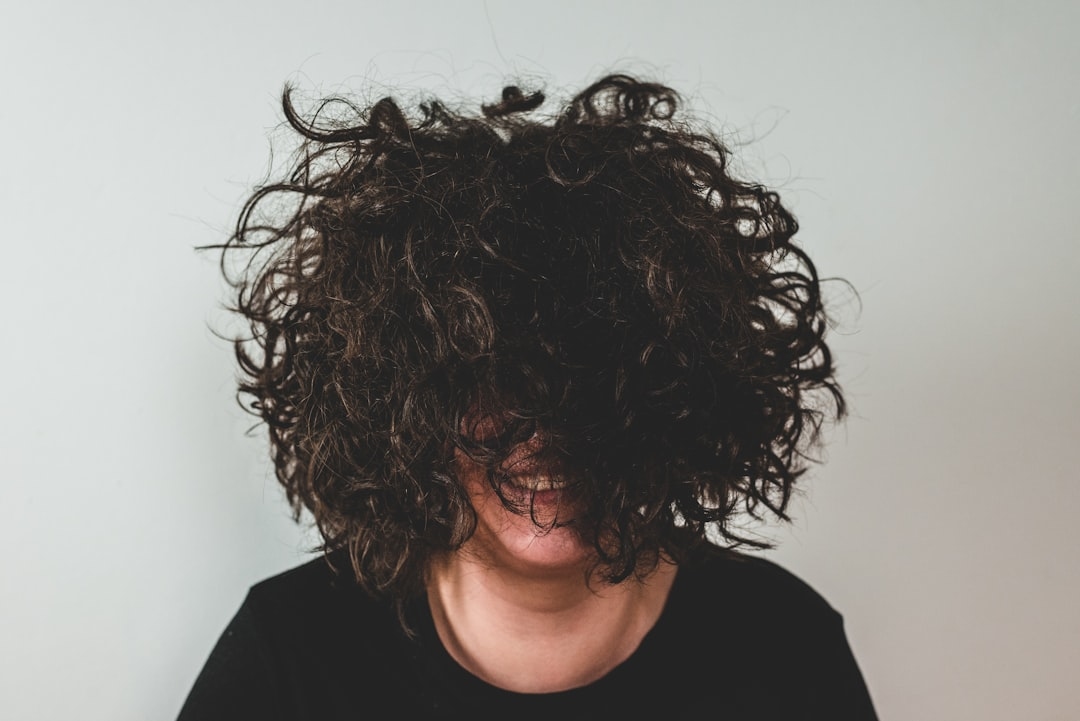
Instead of scrunching products into damp curls, smooth them downward with hands held together as if praying. This encourages the cuticle to lay flat rather than stand up, reducing frizz immediately. Apply gel or mousse this way, then scrunch only if you want more volume.
Plopping and Microfibre Methods
Wrap wet hair in a microfibre towel or cotton t-shirt for 10–15 minutes after applying products. This gently removes water without friction. Follow with air-drying or use a diffuser attachment on a hair dryer set to low heat.
Protective Sleeping Habits
Cotton pillowcases create friction and frizz overnight. Switch to a silk or satin pillowcase (£8–£20) or use a silk bonnet or pineapple method (gathering hair loosely at the crown). These reduce moisture loss and friction damage.
Product Solutions and Budget Breakdown
You don’t need expensive products to control frizz, but you need the right ones. Here’s a realistic budget for a basic frizz-fighting routine:
- Hydrating Shampoo: £4–£8 (lasts 4–6 weeks)
- Deep Conditioner: £6–£12 (lasts 8–12 weeks with weekly use)
- Leave-in Conditioner: £8–£15 (lasts 3–4 weeks)
- Curl-defining Gel: £5–£12 (lasts 6–8 weeks)
- Microfibre Towel: £5–£10 (one-time purchase, lasts years)
- Satin Pillowcase: £8–£20 (one-time purchase, lasts 1–2 years)
Total Monthly Cost: £15–£25 (once you’ve bought durables like the microfibre towel and pillowcase).
Avoid silicone-heavy products, alcohol-based styling products (they dry curls), and protein-only treatments without moisture. A balanced routine using budget-friendly, ingredient-conscious products outperforms expensive single-product fixes.
When Frizz Signals Deeper Damage
Occasional frizz is normal. Persistent frizz despite consistent hydration and sealing methods suggests structural damage. Heat damage, chemical damage, and severe dryness create frizz that no product can fully reverse. In these cases, a gradual trim to remove the damaged portions is often the only lasting solution. Cutting 1–2 inches every 8–10 weeks removes split ends and damaged cuticles, revealing healthier curls underneath.
Frequently Asked Questions
Can I ever fully eliminate frizz?
No, but you can drastically reduce it. Some frizz will always appear under extreme humidity or if your curls are very porous. The goal is controlled, minimal frizz that doesn’t distract from your curl pattern. A good frizz-control routine aims for 80–90% frizz reduction, not 100%.
Is frizz cream better than gel for my curls?
Frizz creams are oils or silicones that sit on the hair surface. They temporarily smooth the cuticle but don’t hydrate. Gel holds curl definition and sets the style. For best results, hydrate with leave-in conditioner, then seal with gel. Creams work better as a finishing touch for smoothing edges.
Does blow-drying make frizz worse?
Not if done correctly. A diffuser on low-to-medium heat, with your curls scrunched upward, actually enhances definition and seals the cuticle faster than air-drying alone. High heat or rough application accelerates damage and frizz. Always apply heat protectant before blow-drying.
How often should I wash curly hair to prevent frizz?
Co-washing (conditioning wash) 2–3 times weekly, with a full shampoo 1–2 times weekly, is ideal for most curly-haired people. Frequent shampooing strips moisture; infrequent washing allows buildup that causes frizz. Find your balance by observing your curls’ response over 2–3 weeks.
Can diet or supplements help with frizz?
Hair health starts from within. Biotin, collagen, and omega-3 supplements support hair strength and scalp health, but they won’t eliminate frizz caused by environmental factors or damage. They’re a complement to good haircare, not a replacement.
Moving Forward: Your Frizz-Free Curls Await
Frizz is your curls’ way of telling you they’re out of balance—either with moisture, protein, damage, or their environment. The path to smoother, defined curls starts with understanding your specific cause: porosity, damage level, product needs, and climate. There’s no universal frizz cure, but there’s a personalised solution waiting for your curls.
Start by assessing your hair’s porosity and current damage level. Choose hydrating products suited to your texture, not just price tag. Invest in simple, durable items like a microfibre towel and silk pillowcase. Then observe your curls over 4–6 weeks as they adjust. Real change takes time because your hair grows outward from the scalp; you’re not truly “fixing” existing damage but creating the conditions for healthier new growth.
The curls you see six months from now will be largely determined by how you treat your hair today.