Contents:
- Foundation: Understanding Your Scalp
- Scalp Cleansing Strategy
- Scalp Massage and Stimulation
- Nutritional Foundation: What Hair Actually Needs
- Protein and Amino Acids
- Iron and Ferritin
- Zinc
- B Vitamins
- External Care: Conditioning and Protective Treatments
- The Conditioning Strategy
- Common Mistakes to Avoid
- Heat and Chemical Damage: Protective Practices
- Heat Styling Best Practices
- Chemical Treatments: Minimising Damage
- What the Pros Know: Salon Professional Insights
- Sustainability and Eco-Friendly Hair Care
- Seasonal Adjustments to Hair Care
- FAQ: Hair Care Essentials
You’ve invested in expensive products, watched countless tutorials, and followed the advice of every beauty influencer—yet your hair still looks dull, feels brittle, or breaks constantly. The problem isn’t your hair’s potential; it’s that most people approach hair care backward. Rather than treating symptoms (dryness, breakage, frizz), effective care addresses the scalp health and internal nutritional foundation that determine everything external.
Foundation: Understanding Your Scalp
Healthy hair grows from a healthy scalp. Your scalp is not just a location; it’s an active ecosystem with sebaceous glands producing natural oils, blood vessels delivering nutrients, and billions of microorganisms (the scalp microbiome) maintaining balance. Poor scalp health manifests as dryness, oiliness, itching, or flaking—conditions that undermine hair growth regardless of expensive products applied below.
Scalp Cleansing Strategy
Frequency depends on hair type. Fine or thin hair benefits from every-other-day shampooing; thick or curly hair thrives with twice-weekly washing. Clarifying shampoos (removing product buildup) monthly are beneficial; daily use strips natural oils. Use lukewarm water (not hot, which increases sebum production), and massage the scalp for 60 seconds with fingertips—this stimulates blood flow and allows cleansing ingredients to penetrate. A single shampoo isn’t insufficient; if your hair is very oily or product-laden, one wash distributes cleanser; the second pass removes buildup.
Switch to sulfate-free shampoos. Sulfates create lather but strip protective oils, drying hair and requiring more frequent washing. Brands like Aveeno, Free & Clear, or Spectral (£5-12 per bottle) eliminate this cycle. The initial 1-2 weeks after switching feel greasier as your scalp rebalances; persistence through this adaptation period is crucial.
Scalp Massage and Stimulation
Daily scalp massage for 5 minutes increases blood flow to hair follicles. This isn’t luxury; it’s functional medicine. Improved circulation delivers oxygen and nutrients (iron, zinc, amino acids) directly to follicles. Technique matters: use fingertip pads (not fingernails), apply moderate pressure, and work systematically across the entire scalp. Consistent massage improves hair density by 6-10% over 6 months according to small-scale research.
Nutritional Foundation: What Hair Actually Needs
Hair is composed primarily of keratin, a protein requiring specific amino acids for synthesis. Deficiency in any essential nutrient—particularly iron, zinc, B vitamins, and adequate protein—cascades into weak, thin, brittle hair. Many people with “defective” hair actually have sufficient nutritional deficiency to address through diet or supplementation.
Protein and Amino Acids
Hair requires 1-1.2 grams of protein per kilogram of body weight daily. For a 70 kg person, this is 70-84 grams daily. Most people consume adequate total protein, but the timing matters. Consuming protein with every meal (rather than concentrating it at dinner) optimises amino acid availability for hair growth. Sources include poultry (60g per 200g serving), fish (50g per 200g), eggs (6g per egg), lentils (18g per cooked cup), and Greek yoghurt (20g per 200g serving).
Iron and Ferritin
Iron deficiency is the most common nutritional cause of hair loss in women. Hair follicles require iron for the proteins that transport oxygen; deficiency causes premature shedding. Target ferritin above 50 ng/mL (check via blood test through your GP). If deficient, supplementation with ferrous sulphate 200 mg daily (£2-4 monthly) restores levels within 8-12 weeks. Natural sources: red meat, liver, fortified cereals, lentils, spinach. Pair with vitamin C (citrus, tomato) to enhance absorption.
Zinc
Zinc deficiency causes telogen effluvium (excessive shedding). Adequate intake is 8-11 mg daily for adults. Sources: oysters (7mg per 3oz), beef, pumpkin seeds, chickpeas. Supplementation of 15-25 mg daily (£3-6 monthly) corrects deficiency within 6-8 weeks. Avoid exceeding 25 mg daily consistently, as excess zinc suppresses copper absorption.
B Vitamins
B vitamins (B6, B12, folate) support methylation cycles producing hair proteins. Deficiency manifests as diffuse shedding or slow growth. A B-complex supplement (£4-8 monthly) provides coverage. Vegans require B12 supplementation specifically; B12 occurs naturally only in animal products.
External Care: Conditioning and Protective Treatments
The Conditioning Strategy
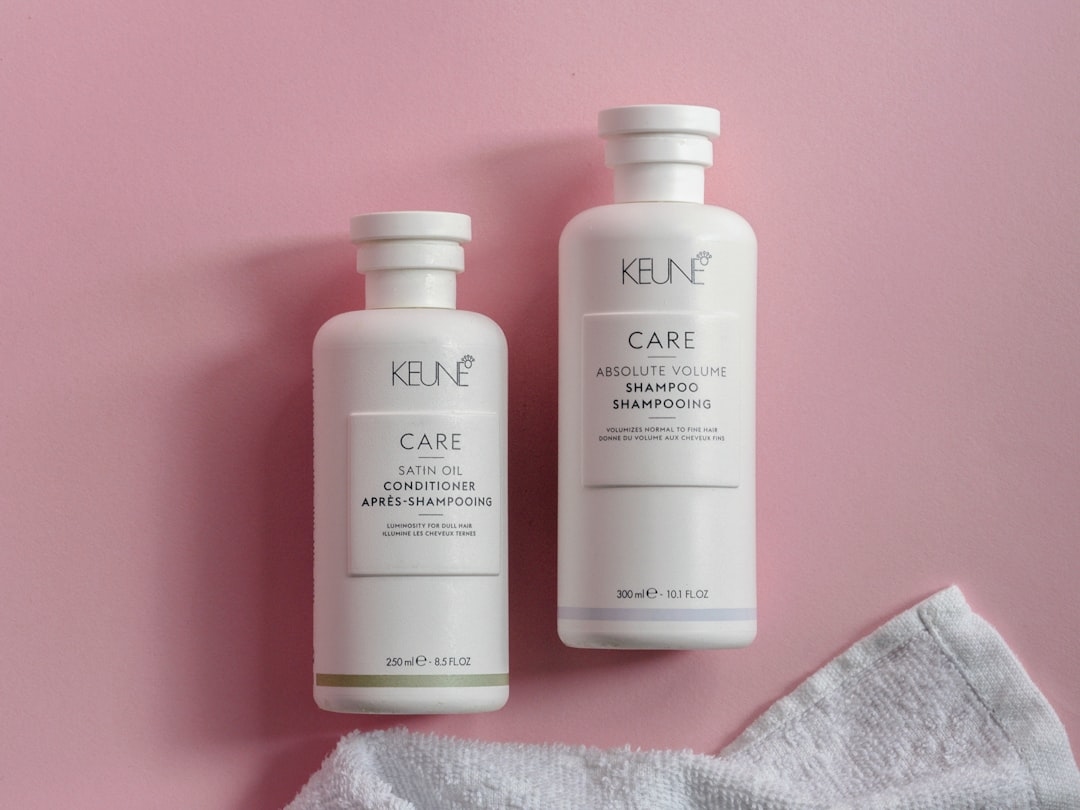
Conditioner should not touch the scalp; apply only from mid-shaft to ends. Leave-in conditioners (applied to damp hair post-shower) provide ongoing moisture and protection; brands like SheaMoisture or Giovanni (£6-12) are effective. Deep conditioning treatments weekly (or twice weekly for very dry or curly hair) repair damage. Apply to clean, damp hair, leave 15-30 minutes (longer is not better), and rinse thoroughly.
Common Mistakes to Avoid
- Over-conditioning: Excessive conditioner weighs hair down, making it appear limp and unwashed. Use a quarter-sized amount for shoulder-length hair, half-dollar for longer hair. Less is more.
- Applying conditioner to scalp: This creates buildup, scalp irritation, and greasy appearance. Condition only from the ear-line downward.
- Skipping rinse: Incomplete rinsing leaves product residue that dulls hair and creates buildup. Rinse thoroughly with cool water (which seals the cuticle and adds shine).
- Using heat immediately: Blow-drying or heat styling wet hair damages the cuticle. Air-dry to 50-70% moisture before applying heat. If rushed, use low heat and a heat protectant spray (£8-12).
- Brushing wet hair: Wet hair is most elastic and vulnerable. Use a wide-tooth comb on wet hair; reserve brushing for dry or damp hair.
Heat and Chemical Damage: Protective Practices
Heat Styling Best Practices
Always apply heat protectant spray before blow-drying or styling. Products containing silicones (like Tangle Teezer Heat Protect Spray, £8-12) create a barrier reducing moisture loss and heat damage by 30-50%. Use medium heat (not maximum) with high airflow when blow-drying. Never apply heat-styling tools to soaking-wet hair; allow air-drying to 70-80% moisture first. Limit heat styling to 2-3 times weekly if possible; air-dry the remainder of the week.
Chemical Treatments: Minimising Damage
Colouring, perming, relaxing, and straightening permanently alter hair structure. These are not inherently harmful, but they require protective practices. Space treatments 6-8 weeks apart minimum (shorter intervals damage cumulative structure). Use treatments formulated for colour-treated hair, which contain strengthening polymers. Deep condition weekly post-treatment. Discontinue heat styling temporarily to allow recovery.
What the Pros Know: Salon Professional Insights
Professional Approach: Experienced salon stylists prioritise scalp health before attempting any aesthetic changes. They assess scalp condition (oiliness, sensitivity, buildup) before shampooing, adjust water temperature and pressure to avoid irritation, and recommend home care based on damage patterns they observe. Additionally, stylists cut hair when dry or damp (never soaking wet, as wet hair stretches and cuts longer than intended), use sharp scissors (not razors, which create split ends), and cut in the direction of natural hair growth rather than against it. Most importantly, professionals cut conservatively—removing only necessary length—rather than attempting transformations that damage compromised hair. Request these practices at your next appointment.
Sustainability and Eco-Friendly Hair Care
Sustainable hair care aligns with environmental responsibility. Choose concentrated or bar shampoos and conditioners (lasting 2-3x longer than liquid versions, reducing packaging waste). Opt for brands using recyclable packaging or refill systems. Consider professional treatments at salons using eco-certified products (look for Ecocert or COSMOS certification). Avoid microplastics—check ingredient lists for “microbeads” or polymers in scalp scrubs. Finally, minimise heat styling (which consumes electricity) and reduce chemical treatment frequency (each treatment requires significant water and chemicals). These practices benefit both hair health and the environment.
Seasonal Adjustments to Hair Care
Spring: Hair shows winter damage (dryness, brittleness). Increase deep conditioning frequency and protein treatments. Hair length should be trimmed to remove split ends accumulated over winter.
Summer: Sun exposure fades colour and damages cuticles. Apply leave-in UV protectant sprays before outdoor exposure. Saltwater and chlorine require post-swim rinsing and deeper conditioning.
Autumn: Humidity decreases. Switch to richer conditioners (butters rather than lighter creams). Begin scalp massage to stimulate winter hair growth.
Winter: Central heating and cold air create dryness. Use heavier oils (argan, coconut) weekly. Limit heat styling since indoor heating already stresses hair. Wear protective styles (loose braids or buns) to reduce mechanical stress.
FAQ: Hair Care Essentials
How often should I wash my hair? Frequency depends on hair type. Fine hair: every other day. Medium hair: 2-3 times weekly. Thick or curly hair: once or twice weekly. Adjust based on scalp oiliness and activity level; there’s no universal rule.
Are expensive hair products worth it? Ingredient quality matters more than price. A £8 sulfate-free shampoo outperforms a £30 shampoo containing sulfates. Prioritise ingredient lists over branding. That said, professional-grade deep conditioners (£12-20) often deliver superior results compared to budget versions (£3-5).
Can damaged hair be repaired? Split ends and severe cuticle damage cannot be reversed—only removed. Hair care prevents future damage and repairs damage in progress. Once the cuticle is destroyed, cutting is the only solution.
How long does nutritional supplementation take to improve hair? Changes appear within 8-12 weeks of consistent supplementation. Full effects (denser, stronger hair) take 4-6 months, corresponding to the hair growth cycle.
Is scalp micropigmentation permanent? SMP lasts 4-6 years before fading and requiring touch-ups. It’s not permanent but highly durable. Cost: £800-2,500 depending on coverage area.
How to take care of hair centres on understanding that healthy hair reflects overall health. Optimise nutrition first, then implement scalp care and protective styling practices. This foundation matters infinitely more than expensive products. Request a trichology assessment from your GP if hair loss or significant damage persists despite following these guidelines—underlying health conditions may require separate investigation.