Contents:
- What Is Laser Hair Removal and How Does It Work?
- Is Laser Hair Removal Safe for Most People?
- Common Side Effects: What’s Normal and What Isn’t
- Who Faces Higher Risks?
- Darker Skin Tones and the Safety Question
- Medical Conditions and Medications
- Hair and Skin Colour Mismatches
- Specific Safety Concerns Explained
- Burns and Thermal Damage
- Pigmentation Changes
- Hair Growth Paradox (Hypertrichosis)
- The Sustainability Angle: Environmental Considerations
- Cost-Effectiveness and Safety Trade-offs
- Real Patient Experience: A Story That Illustrates the Point
- Regional Variations in Clinic Quality and Standards
- Practical Preparation and Aftercare for Safety
- Pre-Treatment (2 weeks before)
- Immediately After Treatment
- For 2 Weeks Post-Treatment
- Laser Hair Removal and Pregnancy: What the Evidence Says
- When Laser Hair Removal Isn’t the Right Choice
- How to Choose a Safe Clinic: A Practical Checklist
- Frequently Asked Questions
- Does laser hair removal cause cancer?
- Can I have laser hair removal on darker skin safely?
- How many sessions do I need, and why?
- Is it normal to see hair regrowth after laser treatment?
- What’s the difference between laser hair removal and electrolysis?
- The Bottom Line: Is Laser Hair Removal Safe?
The first electric razor hit the market in 1939, promising a revolution in grooming convenience. Yet decades later, people are still seeking better options. Laser hair removal emerged in the 1990s, and today it represents one of the most popular semi-permanent hair reduction methods available. But the question that stops many potential clients is straightforward: is it actually safe?
Safety concerns around laser hair removal are legitimate. You’re using concentrated light energy on your skin, after all. But the evidence suggests that when performed correctly by qualified practitioners, laser hair removal carries minimal risk for most people. Understanding what “safe” actually means in this context—and who might face genuine complications—matters far more than blanket reassurances.
What Is Laser Hair Removal and How Does It Work?
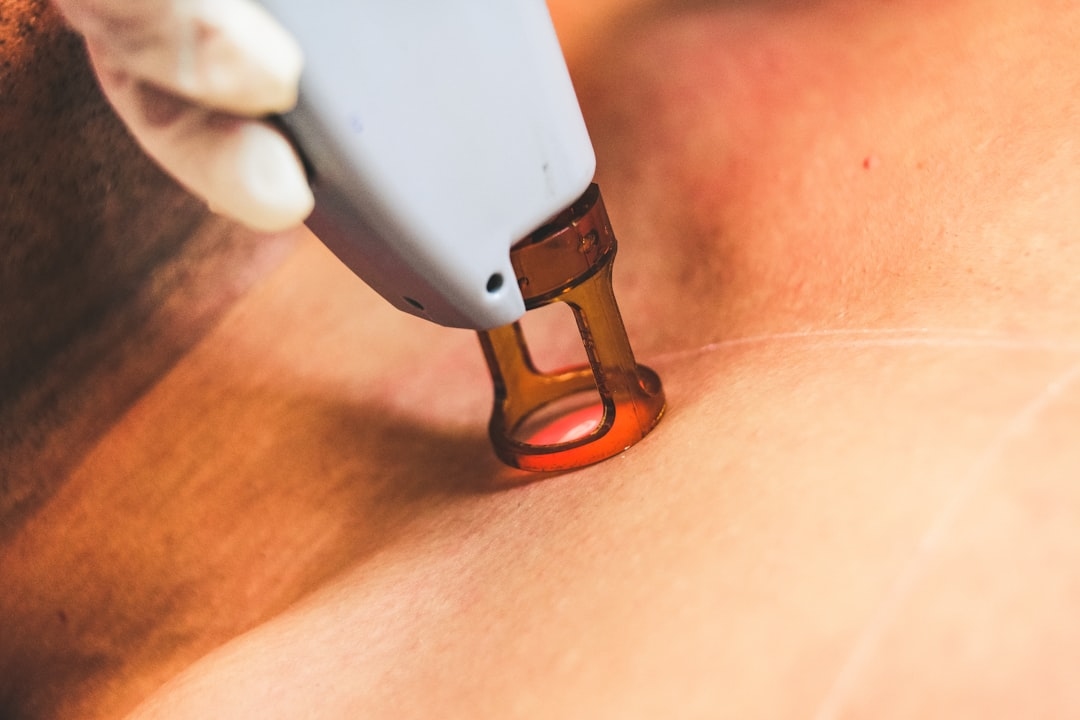
Laser hair removal uses targeted light wavelengths (typically 700 to 1100 nanometres) to heat melanin in hair follicles. This heat damages the follicle enough to slow or halt regrowth. The procedure doesn’t permanently eliminate hair in most cases—rather, it achieves lasting reduction, meaning you’ll have significantly fewer hairs that grow back thinner and lighter.
The laser selectively targets pigmented hair without affecting surrounding skin, assuming the operator has calibrated the device correctly for your skin type. This selective photothermolysis is the key principle that makes laser hair removal both effective and relatively safe compared to older methods like electrolysis.
Different laser types exist: diode lasers, alexandrite lasers, Nd:YAG lasers, and others. Each operates at slightly different wavelengths and suits different skin tones. This matters for safety—certain devices work better on lighter skin, whilst Nd:YAG lasers (with a longer wavelength around 1064 nanometres) are safer for darker skin because they’re less likely to damage melanin in the epidermis.
Is Laser Hair Removal Safe for Most People?
Clinical evidence shows that laser hair removal is safe for the majority of people who undergo the procedure. Studies published in dermatological journals consistently report serious adverse events in fewer than 2% of treatments. Most side effects are temporary and mild.
However, “safe for most” isn’t the same as “safe for everyone.” Your individual risk depends on several factors: skin type, hair colour, underlying skin conditions, medication history, and sun exposure before treatment. A budget-conscious reader might be tempted to book the cheapest clinic, but cutting corners on consultation or practitioner qualifications directly increases risk.
A proper laser hair removal clinic should conduct a detailed patch test before your full treatment. This involves treating a small area and monitoring for adverse reactions over 24-48 hours. If your clinic skips this step, walk away. It’s a red flag that safety isn’t the priority.
Common Side Effects: What’s Normal and What Isn’t
Most people experience temporary redness and mild swelling immediately after treatment. Think of it like a mild sunburn—it usually fades within 24 hours. Some practitioners compare the sensation to snapping a rubber band against the skin, which gives you a sense of the discomfort level (manageable but noticeable).
Other expected short-term effects include:
- Temporary darkening of treated hair (typically resolves within 7-10 days as hair sheds)
- Minor crusting or scabbing in treated areas
- Slight bruising, especially on sensitive areas
- Temporary bumps similar to razor burn
These effects are normal and don’t indicate a problem. They’re your skin responding to thermal energy in a controlled way.
More serious side effects are rarer but possible. Blistering, permanent pigmentation changes (hyperpigmentation or hypopigmentation), and scarring can occur, particularly when the wrong laser settings are used for your skin type or when aftercare instructions are ignored.
Who Faces Higher Risks?
Certain groups should approach laser hair removal with caution or avoid it entirely until specific conditions are addressed.
Darker Skin Tones and the Safety Question
Historically, laser hair removal was marketed as a procedure for lighter skin types, and darker-skinned clients faced higher complication rates. This wasn’t a biological limitation—it was a technology and training gap. Early lasers weren’t designed with darker skin in mind, and many practitioners lacked training in adjusting settings appropriately.
This has improved significantly. Modern Nd:YAG lasers are genuinely safe for darker skin when operated by trained professionals. However, regional differences in clinic quality persist. On the West Coast of the US and in London’s Harley Street, elite clinics invested early in appropriate equipment and training. In less competitive markets, you’ll find more clinics still using older alexandrite devices that pose higher risks for darker skin.
For UK readers with darker skin, prioritise clinics that specifically advertise Nd:YAG laser technology and practitioners with demonstrable experience treating darker skin types. Ask for before-and-after photos of clients with similar skin tone to yours.
Medical Conditions and Medications
Several conditions increase risk. If you have active acne, eczema, or psoriasis in the treatment area, postpone treatment until the skin has healed. Certain medications—particularly photosensitising drugs like some antibiotics, anti-inflammatory medications, and herbal supplements like St. John’s Wort—increase your sensitivity to light and raise burn risk.
If you’re pregnant, most reputable clinics won’t treat you, not because evidence suggests harm, but because data is sparse and the precautionary principle applies. Recent tattoos (within the previous 4 weeks) in the treatment area should also pause treatment.
Hair and Skin Colour Mismatches
Laser hair removal works best on dark hair with lighter skin—there’s maximum contrast for the laser to target. Blonde, red, or grey hair contains minimal melanin, so the laser struggles to generate enough heat. Dark skin with dark hair reduces contrast too, making efficacy lower and requiring more careful settings to avoid thermal damage to the skin itself.
If you fall into these categories, discuss alternatives with your practitioner: electrolysis, which works on any hair colour, is slower and more expensive (typically £30-60 per 15-minute session) but doesn’t carry the same thermal risks.
Specific Safety Concerns Explained
Burns and Thermal Damage
Burns occur when laser settings are too high for your skin type, or when the device is held in one spot too long. A competent operator uses appropriate fluence (energy) levels—measured in joules per square centimetre—and keeps the handpiece moving to avoid hotspots. Burns range from minor (redness that fades within days) to severe (blistering and scarring).
This is entirely preventable through proper training and equipment. If a clinic can’t articulate what fluence they’re using or why, that’s a competency issue.
Pigmentation Changes
Hyperpigmentation (darkening) and hypopigmentation (lightening) occur when melanin in the outer skin layer is affected, not just the hair follicle. This is more common in darker skin types and can be permanent, though it often fades over months. The risk increases if you have a tan or recent sun exposure when you book treatment.
Prevention is straightforward: avoid sun exposure for 4 weeks before and 1-2 weeks after treatment. Use SPF 50+ sunscreen daily. Some practitioners recommend avoiding sun exposure for 4 weeks post-treatment as well, though most side effects resolve within 2 weeks if no further sun damage occurs.
Hair Growth Paradox (Hypertrichosis)
A small percentage of people (0.1-0.6%) experience unexpected hair growth in the treated area after laser treatment. This phenomenon, called paradoxical hypertrichosis, is poorly understood but may result from sub-lethal thermal damage to follicles that stimulates regrowth rather than inhibiting it. It’s more common in darker skin types and with certain laser wavelengths.
If this occurs, continued treatment with adjusted settings often resolves the issue, but some clients prefer to stop. It’s not dangerous, but it is cosmetically frustrating.
The Sustainability Angle: Environmental Considerations
Laser hair removal, compared to razors or depilatory creams, has a smaller environmental footprint. You’re not generating plastic waste from disposable razors or chemical runoff from creams. A single laser device treated dozens or hundreds of clients over its lifespan, making the per-client environmental impact minimal.
However, the energy consumption of the clinic itself matters. Reputable clinics are increasingly using energy-efficient lasers and renewable energy sources. If sustainability concerns you, ask whether your chosen clinic powers their equipment with renewable energy. It’s a small detail that reflects their overall operational standards.
From a resource perspective, laser hair removal also reduces water usage—you’re not showering as frequently to remove razors’ irritation or soap film. Over a lifetime, this adds up.
Cost-Effectiveness and Safety Trade-offs
Laser hair removal in the UK ranges from £50 to £200+ per session, with most underarm treatments costing £80-120 and full-leg treatments £150-300. You’ll typically need 6-12 sessions spaced 4-8 weeks apart, totalling £1,000-3,600 for legs.
Budget-conscious readers sometimes book at cheaper clinics, but this is a false economy when safety is the trade-off. Cheaper clinics often employ less experienced staff, use older or less calibrated equipment, and may use aggressive settings to deliver visible results quickly—precisely the scenario that increases burn risk and pigmentation issues.
A more sensible approach: pay for at least one professional consultation (£40-80 typically) at a reputable clinic with dermatological oversight. Ask about their equipment (which laser type?), operator qualifications, and their approach to patch testing. Then decide if the price justifies the credentials. Budget £1,200-2,000 for a full-body laser hair removal course rather than £400-600 at a questionable clinic.
Real Patient Experience: A Story That Illustrates the Point
Sarah, a 32-year-old from Manchester, spent three years shaving her legs daily, spending roughly £15 monthly on razors and anti-inflammatory creams for razor burn. She booked at the cheapest clinic she could find—£40 per underarm session. After the second session, she developed hyperpigmentation that darkened her underarms noticeably. When she complained, the clinic suggested waiting 6 months for it to fade.
Eighteen months later, the pigmentation had mostly faded, but Sarah had lost faith in the process. She switched to a clinic that charged £90 per session but required a proper consultation, patch test, and skin assessment. The practitioner immediately identified that her combination of olive skin and aggressive sun exposure in the first clinic made her a higher-risk candidate.
With adjusted settings, careful sun avoidance between sessions, and professional aftercare, her second course of treatment worked flawlessly. She spent more upfront but avoided months of distress and potential permanent damage. The lesson: the cheapest option isn’t the safest option.
Regional Variations in Clinic Quality and Standards
Standards vary significantly across the UK and beyond. In London and major cities, competition is high and regulatory oversight more rigorous. Practitioners often hold dermatological qualifications or have extensive formal training. In smaller towns or rural areas, you might find clinics with minimal training requirements.
The US West Coast (California, Washington) has stricter licensing requirements for laser technicians than many US states, which has driven higher baseline quality and lower complication rates. Conversely, some Southeast US clinics operate with minimal oversight, leading to higher adverse event rates in published studies.
In the UK, laser hair removal is not regulated like medical devices in some contexts, though equipment must meet health and safety standards. Ask your chosen clinic: Are they registered with the Care Quality Commission? Do they have professional indemnity insurance? Can they demonstrate ongoing professional development for staff? These credentials matter.
Practical Preparation and Aftercare for Safety
Your actions before and after treatment significantly impact safety outcomes.
Pre-Treatment (2 weeks before)
- Avoid sun exposure and use SPF 50+ daily (tanned skin is more prone to pigmentation issues)
- Stop waxing, plucking, or threading—the laser needs the root intact in the follicle
- Shaving is fine; it removes hair above the skin without disturbing the follicle
- Avoid photosensitising medications (check with your GP if unsure)
- Discontinue retinoids and vitamin C serums 1 week before (they increase photosensitivity)
- Avoid glycolic acid and other chemical exfoliants 1 week before
Immediately After Treatment
- Apply ice or cool compresses for the first 2 hours
- Use fragrance-free moisturiser (hyaluronic acid or ceramide-based)
- Avoid hot showers, saunas, and intense exercise for 24 hours
- Sleep on the opposite side if face was treated (reduce pressure on treated areas)
For 2 Weeks Post-Treatment
- Wear SPF 50+ daily, even on cloudy days
- Avoid chlorinated pools and sea swimming (bacteria exposure + salt irritation)
- Don’t pick at any crusting or scabbing (let it shed naturally)
- Avoid tight clothing on treated areas if possible
- No exfoliation or active skincare ingredients until the skin normalises
These steps aren’t optional niceties—they’re the difference between an uneventful recovery and complications. If you can’t commit to aftercare, reconsider whether laser treatment is right for you right now.
Laser Hair Removal and Pregnancy: What the Evidence Says
Most clinics refuse to treat pregnant clients, but it’s worth understanding the actual risk. There’s no evidence that laser energy harms a developing foetus—the light doesn’t penetrate deep enough to reach the uterus, and the wavelengths used aren’t ionising radiation. Theoretically, laser hair removal during pregnancy is likely safe.
However, pregnancy causes hormonal changes that often increase hair growth and darken skin, making results unpredictable. More importantly, the lack of robust safety data means clinics apply the precautionary principle. If you’re planning pregnancy, complete your laser course beforehand. If you’re already pregnant, postpone treatment until after delivery and (if breastfeeding) until you’ve finished nursing.
When Laser Hair Removal Isn’t the Right Choice
Despite being generally safe, laser hair removal isn’t appropriate for everyone or every situation.
- Blonde or grey hair: Insufficient melanin for the laser to target effectively. Electrolysis is the better option.
- Active skin infections or open wounds: Defer treatment until healed.
- Keloid-prone skin: You’re at risk of developing keloid scars. Consult a dermatologist first.
- Uncontrolled diabetes: Impaired healing increases complication risk.
- Recent isotretinoin (Accutane) use: This acne medication makes skin extremely photosensitive for up to 6 months after stopping. Wait at least 6 months before laser treatment.
- Deep melasma or other pigmentation disorders: Laser treatment can worsen these conditions.
If any of these apply to you, discuss alternatives with your GP or dermatologist before booking.
How to Choose a Safe Clinic: A Practical Checklist
Not all clinics are equal. Use this checklist to identify practitioners who prioritise safety:
- Do they require a consultation before treatment? (Non-negotiable)
- Do they offer a patch test? (Essential)
- What laser technology do they use, and why is it appropriate for your skin type?
- What are the operator’s qualifications? (Look for: aesthetic nursing credentials, dermatological training, formal laser safety certification)
- Do they have professional indemnity insurance?
- Can they provide before-and-after photos from clients with your skin type?
- Are they registered with relevant professional bodies (e.g., British Association of Aesthetic Plastic Surgeons)?
- Do they provide written aftercare instructions and a contact number for post-treatment questions?
- Are they willing to discuss potential risks specific to your skin type and medical history?
A clinic that can’t answer these questions confidently isn’t worth your money or your safety.
Frequently Asked Questions
Does laser hair removal cause cancer?
No. Laser hair removal uses non-ionising radiation (light), not ionising radiation (like UV or X-rays) that can damage DNA. The wavelengths used in hair removal are safe and have been studied extensively. Thousands of dermatologists worldwide have used these devices for over 20 years with no increase in skin cancer rates among treated populations.
Can I have laser hair removal on darker skin safely?
Yes, but with the right equipment and operator. Nd:YAG lasers (1064nm wavelength) are specifically designed for darker skin types. Older alexandrite lasers pose higher risk. Always confirm your clinic uses appropriate technology and has experience with your skin tone. Ask to see before-and-after photos from clients with similar skin to yours.
How many sessions do I need, and why?
Hair grows in cycles: anagen (growth phase, when the laser works best), catagen (transition), and telogen (resting phase, when the laser can’t affect dormant follicles). Only 20-30% of hairs are in the growth phase at any given time. You need multiple sessions (typically 6-12) spaced 4-8 weeks apart to catch all hairs during their growth phase. This is normal biology, not a clinic trying to charge you more.
Is it normal to see hair regrowth after laser treatment?
Some hair regrowth is normal. Laser hair removal isn’t permanent removal—it’s permanent reduction. Expect 70-90% reduction in most cases, with remaining hairs significantly finer and lighter. If you see as much hair as before, your operator may have used inappropriate settings, or you may be a poor candidate (very light hair, very dark skin with older laser type). Discuss with your practitioner before committing to more sessions.
What’s the difference between laser hair removal and electrolysis?
Laser targets multiple hairs simultaneously using light energy (faster, lower cost per session but requires multiple sessions). Electrolysis treats individual hairs using electrical current (slower, £30-60 per 15-minute session, but works on any hair colour). Electrolysis is actually permanent removal if done correctly; laser is permanent reduction. For budget-conscious readers, laser is more cost-effective if your hair colour suits it. For blonde or grey hair, electrolysis is the only truly permanent option despite higher total cost.
The Bottom Line: Is Laser Hair Removal Safe?
Laser hair removal is safe for the majority of people when performed by qualified practitioners using appropriate equipment for your skin type. Serious complications are rare—fewer than 2% of treatments result in adverse events beyond temporary redness.
However, “safe” isn’t absolute; it’s contextual. Your individual risk depends on your skin type, hair colour, medical history, and the clinic’s competence. Cutting costs on clinic quality directly increases risk. Skipping aftercare instructions creates complications. Choosing a clinic without verifying qualifications is false economy.
The practical path forward: invest in a proper consultation and patch test (£40-80) at a reputable clinic. Ask detailed questions about their equipment and experience. If something feels off, find another clinic. Then commit to a full treatment course with proper aftercare. The upfront cost is higher than cheap options, but you’ll avoid months of complications and the permanent damage that budget corners can create.
Laser hair removal has genuinely improved since the early days of indiscriminate burns and pigmentation disasters. The technology is proven. The limiting factor now is human—the practitioner’s training and your own commitment to aftercare. Choose your clinic carefully, follow instructions precisely, and you’ll join the thousands of satisfied clients who’ve ditched razors permanently.