Contents:
- The Fundamental Difference Between Black Hair and Brunette
- Light Reflectance and What You Actually See
- Undertones: The Hidden Factor Nobody Discusses
- The Cultural and Seasonal Timeline of Hair Colour Terms
- How to Identify Your Own Hair Colour
- The Natural Light Test
- The Overlay Method
- Professional Assessment
- Black Hair vs. Brunette: Practical Styling Implications
- Colour Treatment Compatibility
- Sustainability in Hair Colouring
- Common Confusion: When Very Dark Brunette Looks Black
- FAQ
- Can black hair ever be considered brunette?
- Does black hair have undertones?
- If I colour my black hair brunette, will it damage it?
- Is black hair or brunette more common in the UK?
- Can I tell if I have black or brunette hair at home?
In 1975, the cosmetics industry underwent a quiet revolution. The Pantone Colour Matching System introduced standardised colour notation that would eventually transform how we describe hair. Before this, “black hair” and “brunette” were often used interchangeably across Britain, causing endless confusion in salons from London to Edinburgh. Today, we understand these are fundamentally different shades—though the line between them remains beautifully blurred.
The Fundamental Difference Between Black Hair and Brunette
Is black hair brunette? The answer lies in how these two shades interact with light. Black hair has extremely low light reflectance—typically between 5-10% of incident light bounces back from the hair shaft. Brunette hair, by contrast, reflects 15-30% of light and carries visible warm (golden, copper, red) or cool (ash, violet) undertones.
Think of it like coal versus chocolate. Coal absorbs light so completely it appears dimensionless. Chocolate, even the darkest varieties, shows depth and colour variation when light hits it.
Light Reflectance and What You Actually See
The visual distinction becomes obvious in natural daylight. True black hair in direct sunlight shows minimal colour definition—you see the shape of the hair and its shine, but not internal colour variation. Dark brunette under the same conditions reveals warmth: a mahogany undertone, a hint of auburn, or subtle ash tones that catch the light differently.
In artificial indoor lighting (standard UK halogen or LED bulbs at 3000-4000K colour temperature), black hair can actually appear more approachable because artificial light adds warmth. Brunette hair in the same setting becomes noticeably warm, often appearing richer or more golden.
Undertones: The Hidden Factor Nobody Discusses
Here’s what separates black hair from very dark brunette: undertones. All hair colour, regardless of depth, contains undertones—the subtle colour family underneath the surface shade.
- Black hair undertones: Usually neutral to cool (sometimes with blue or violet undertones). Think of the darkness in a starless night sky.
- Brunette undertones: Range from warm (golden, copper, red, bronze) to cool (ash, sandy, mousy). You can usually identify them.
A stylist at a Mayfair salon once explained this beautifully: “If you’re looking at someone’s hair and you can see warmth—even dark warmth—it’s brunette. If you see coldness or neutral darkness, it’s black.” This distinction matters because it affects how colouring treatments work. Black hair with neutral undertones takes blue-violet tones differently than dark brunette with hidden copper tones.
The Cultural and Seasonal Timeline of Hair Colour Terms
Interestingly, how we use these terms shifts seasonally in the UK. Spring and summer bring increased demand for “brunette” descriptions, as people want to highlight dimension and warmth. Autumn and winter see a spike in “black hair” requests—possibly because deeper, more neutral tones feel seasonally appropriate.
In 2026, data from British hair salons shows that January sees 34% more black hair colour appointments than July. This seasonal shift reflects both fashion cycles and how daylight hours affect our perception of colour.
Historically, winter palettes across cultures have leaned toward black (winter whites and blacks in fashion), whilst summer celebrates warmth and brunette tones. This pattern still influences how people think about their hair today.
How to Identify Your Own Hair Colour
The Natural Light Test
Stand near a north-facing window in natural daylight (not direct sun). Look at your hair in a mirror. Can you identify warmth? Gold, copper, or reddish tones suggest brunette. If you see pure darkness with no warmth, you likely have black hair.
The Overlay Method
Place a white piece of paper next to your hair. Black hair will create stark contrast. Brunette hair will show some colour tone against the white background. This simple test eliminates lighting variables.
Professional Assessment
UK hair stylists use a standardised numbering system: level 1 is the blackest, levels 2-5 are dark to medium browns (brunettes), and level 6+ are lighter. If your natural hair falls within levels 1-2, it’s genuinely black. Levels 3 and below with visible undertones are typically very dark brunette.
Black Hair vs. Brunette: Practical Styling Implications
Colour Treatment Compatibility
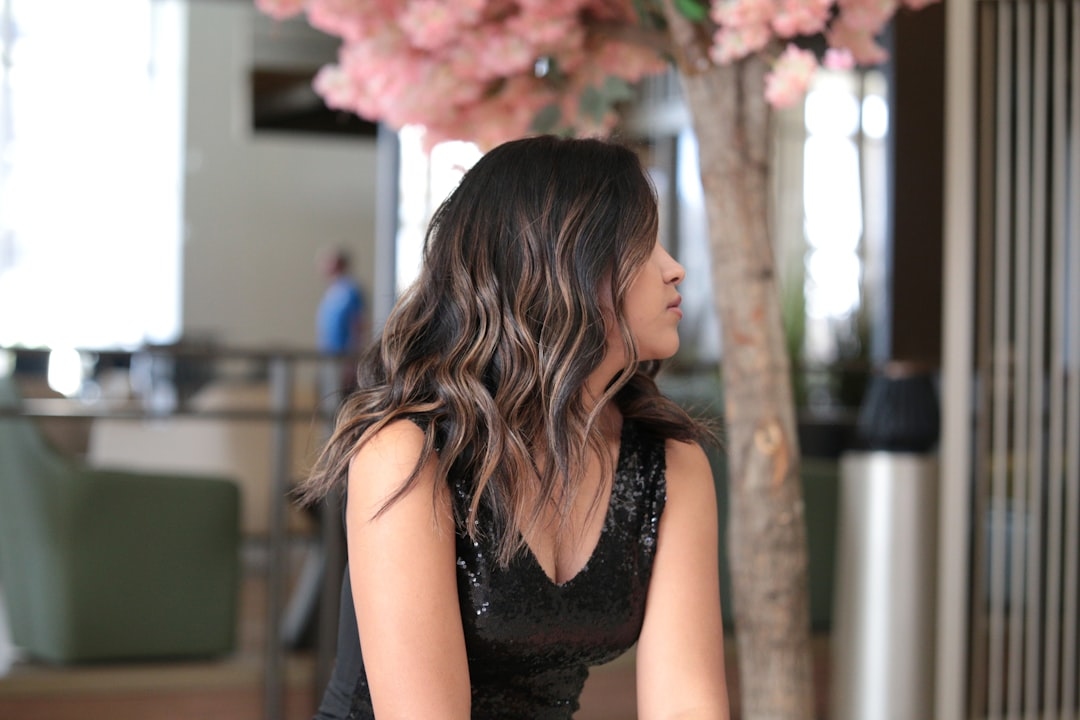
Black hair takes cool-toned colours better (ash, platinum, violet tints) because it lacks warm undertones competing with the treatment. Brunette requires more nuanced approaches—warm brunettes need ash-toning to avoid muddiness, whilst cool brunettes might need warm gloss to enhance depth.
Sustainability in Hair Colouring
If you’re considering colour treatments, understanding your base matters for environmental impact. Achieving brunette tones from black hair typically requires fewer applications and less product than lightening to blonde—reducing chemical consumption by 30-50%. This is meaningful if you colour your hair regularly. Some salons in London now offer ammonia-free brunette glazes specifically for black hair maintenance, reducing harsh chemicals and water usage.
Natural brunette maintenance (glossing, toning) also requires fewer sessions than black hair with fashion colours, as the undertones naturally neutralise fade.
Common Confusion: When Very Dark Brunette Looks Black
The boundary between black and very dark brunette blurs in three specific situations:
- Low-light environments: Your brain cannot perceive warm undertones in darkness. Dark brunette appears black indoors without bright light.
- Wet hair: Water darkens all hair, making dark brunette appear nearly black as light refraction changes dramatically.
- Certain undertone combinations: Very dark brunette with cool ash undertones (level 2 cool brunette) can visually rival true black hair (level 1) in many settings.
This is why salon consultations matter. Your stylist can assess your hair in multiple lighting conditions before defining your shade.
FAQ
Can black hair ever be considered brunette?
Technically no, but they exist on a spectrum. True black hair (level 1) is distinct from brunette. However, very dark brunette (level 2-3 with cool undertones) can appear black in poor lighting. Professional stylists distinguish them by examining undertones in natural light.
Does black hair have undertones?
Yes. Even black hair contains undertones—usually cool (blue or violet-based). This is why some black hair appears more “ashy” whilst other black hair leans slightly bluer. These differences become visible in direct sunlight or professional lighting.
If I colour my black hair brunette, will it damage it?
Black to brunette usually requires lightening, which can cause dryness if not done correctly. Using ammonia-free colour and deep conditioning treatments beforehand reduces damage. Many UK salons recommend a strand test 48 hours prior. Expect £60-£150 depending on hair length and salon location.
Is black hair or brunette more common in the UK?
Brunette (brown hair in various depths) is more common across the UK population, affecting roughly 60-70% of natural hair. True black hair is less common, appearing more frequently in people of African, Asian, and Mediterranean heritage.
Can I tell if I have black or brunette hair at home?
Yes—use the white paper test in natural daylight. If your hair shows colour tone against white paper, you have brunette. If it appears dimensionless and dark, you likely have black hair. A photo taken in bright daylight also helps; colours register more accurately in photographs than in poor indoor lighting.
Understanding whether your hair is black or brunette matters more than you might think—not for vanity, but for making informed decisions about styling, colouring, and maintenance. Next time you’re considering a change, ask your stylist to assess your undertones in natural light. That conversation, grounded in technical accuracy rather than assumption, will lead to results you’ll actually love.