Contents:
- Understanding Natural Hair Straightening: Expectations and Timeline
- Method 1: Blow-Drying With Technique
- The Proper Technique
- Method 2: Protein Treatments and Deep Conditioning
- DIY Protein Treatment
- Keratin Protein Rinse (Not Chemical Keratin)
- Method 3: Tension-Based Straightening
- Roller-Setting Technique
- Wrapping Technique
- Method 4: Oil-Based Smoothing
- Coconut Oil Treatment
- Argan Oil for Finishing
- Comparing Natural Straightening Methods: Northeast vs. South vs. Scotland
- Distinguishing Natural Straightening From Chemical Straightening
- Practical Straightening Routine for Results
- Common Mistakes to Avoid
- FAQ
Chemical hair straighteners (keratin treatments, Japanese straightening) deliver results but come with costs: £150-400 per treatment, potential hair damage, and chemical exposure. Many people assume that if they want straight hair, chemicals are inevitable. This is completely false. You can straighten hair naturally using proven methods that cost nothing or minimal amounts, take time but work progressively, and actually improve hair health rather than damage it. This comprehensive guide explores every natural straightening method, helping you choose what fits your lifestyle and hair type.
Understanding Natural Hair Straightening: Expectations and Timeline
Natural straightening isn’t instant. Chemical treatments give immediate results because chemicals permanently alter hair structure. Natural methods work more gradually, usually requiring 2-8 weeks to show noticeable straightening, depending on method intensity and hair texture. However, they come with advantages: lower cost, no chemical damage, and progressive results that you can stop or intensify anytime.
Natural straightening works best on wavy or very curly hair. Very coily hair (Type 4) may show only modest straightening, but combined methods produce noticeable results. Genetics sets your hair’s maximum straightness; natural methods help you achieve your hair’s natural potential rather than forcing permanent change.
Method 1: Blow-Drying With Technique
Proper blow-drying straightens hair by directing hair growth downward and sealing the cuticle flat. Most people blow-dry carelessly; intentional technique delivers genuine straightening.
The Proper Technique
Step 1: Start with conditioning. Apply heavy conditioner to damp hair, leave 5 minutes, rinse thoroughly. Conditioned hair is more receptive to straightening.
Step 2: Rough dry. Use a hairdryer on medium heat, roughly drying hair and removing excess moisture. Don’t aim for perfect straightness yet—just get hair 60-70% dry.
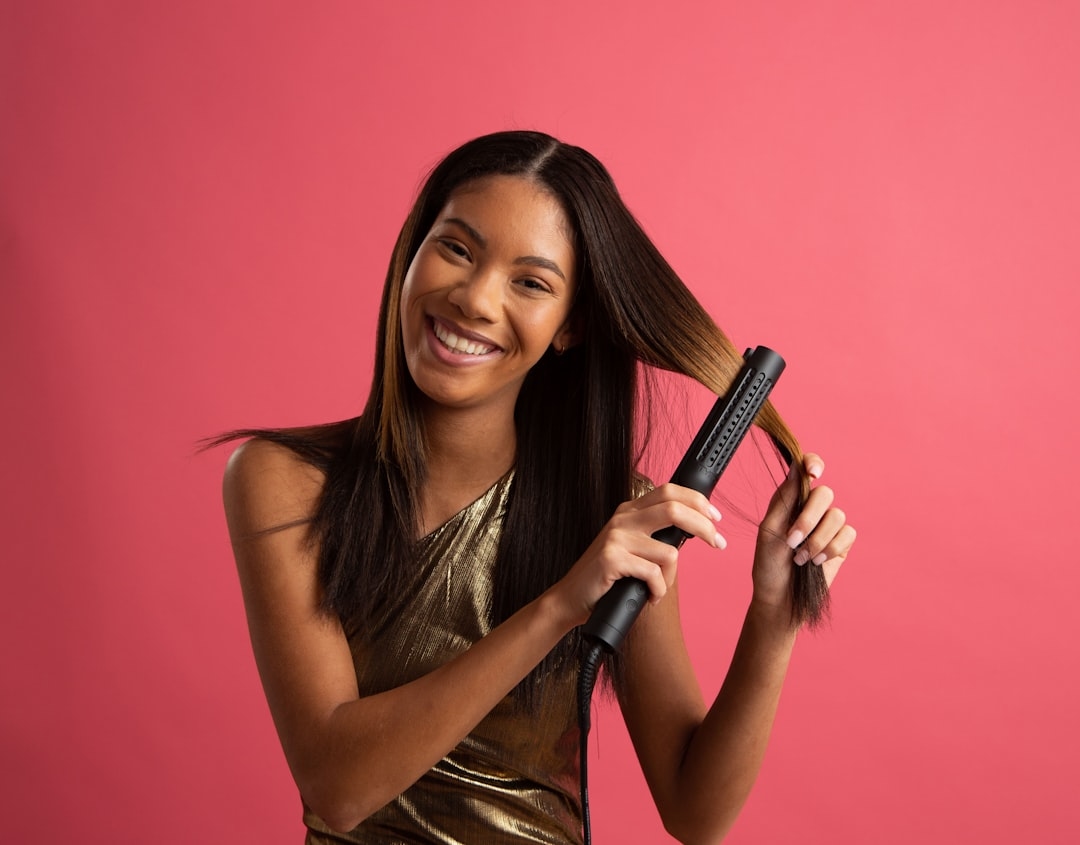
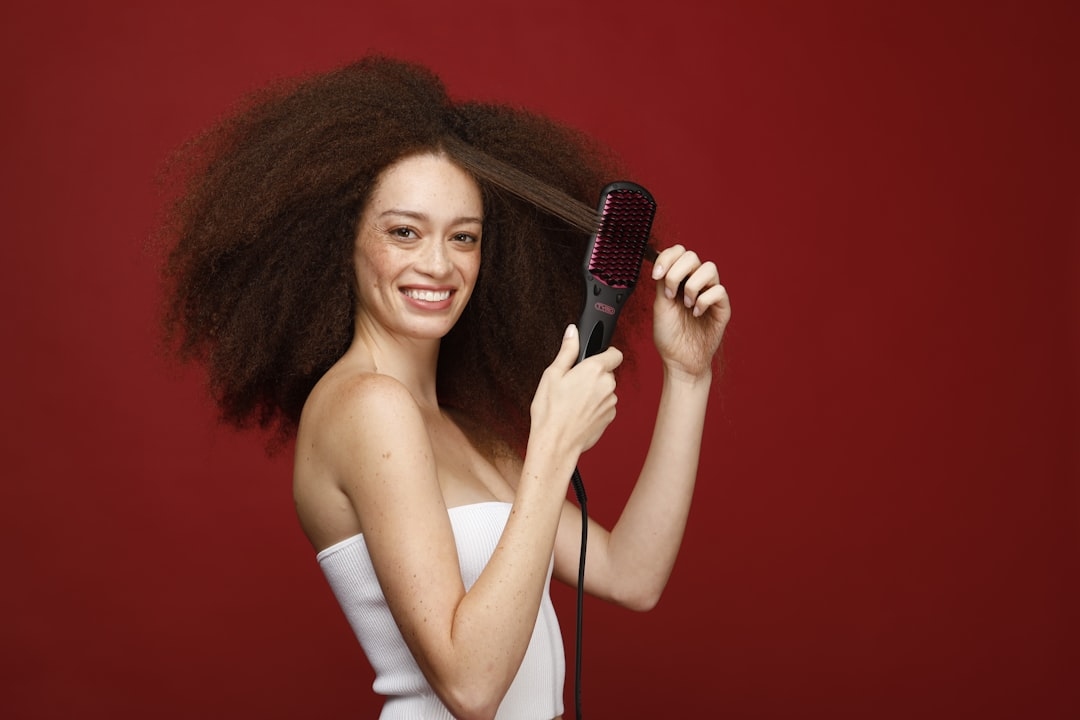
Step 3: Section and straighten. Divide hair into four sections (top, sides, back). Starting with one section, blow-dry while using a paddle brush to pull hair downward and straight. Work from roots to ends. Keep the dryer nozzle pointed downward (toward ends) to seal the cuticle flat, not upward.
Step 4: Cool shot. Finish with cool air (or briefly hold under cool running water) to lock straightness in place. Heat opens the cuticle; cool air closes it.
Cost: Free if you own a hairdryer. If purchasing: £40-80 for a basic ionic dryer (which reduces frizz and speeds straightening).
Duration: 15-30 minutes depending on hair length. Lasts 24-48 hours.
Best for: Daily straightening without commitment. Works for all hair types.
Method 2: Protein Treatments and Deep Conditioning
Hair is made of protein (keratin). Protein-based treatments fill microscopic gaps in damaged hair, smoothing the cuticle and reducing frizz. While they don’t permanently straighten, they make hair appear straighter and smoother.
DIY Protein Treatment
Create a protein treatment at home for pennies using basic ingredients.
Recipe: Mix one egg, one tablespoon coconut oil, and one tablespoon honey. Apply to damp hair, focusing on mid-lengths and ends. Leave 20-30 minutes (wrap in a warm towel to enhance absorption). Rinse thoroughly with cool water.
Cost: Roughly 50p per treatment.
Frequency: Weekly or twice weekly for intensive results.
Timeline: Visible smoothing and straightening within 2-3 treatments (2-3 weeks).
Commercial Option: Cantu Shea Butter Leave-In Conditioning Repair Cream (£8-10, lasts 3-4 months). Apply to damp hair, leave in, and dry. Results are similar to DIY but more convenient.
Keratin Protein Rinse (Not Chemical Keratin)
Commercial protein rinses (not permanent keratin treatments) temporarily coat hair, smoothing cuticles. Brands like K18 (£28, expensive) or budget options like Aphogee (£8-12) deliver genuine smoothing.
Application is simple: after shampooing, rinse with the protein solution, leave briefly, then rinse out. Hair feels visibly smoother and straighter. Results last 1-2 weeks, then fade gradually. This is not permanent—it’s a temporary coating that washes away.
Method 3: Tension-Based Straightening
Wrapping hair while wet creates tension that encourages straightness as hair dries. Curly hair naturally returns to its curl pattern during drying; tension overrides this.
Roller-Setting Technique
Use large roller sets (the bigger the roller, the straighter the result) to dry hair with tension. Process: wrap damp hair around large rollers (2-3 inch diameter), secure, and air dry or sit under a dryer hood (hairdresser-style, takes 1-2 hours). Once completely dry, remove rollers and gently loosen hair.
Cost: Large rollers cost £10-20 and last years. No ongoing cost.
Duration: 1-2 hours of drying time.
Results: Lasts 3-7 days depending on humidity. Hair appears significantly straighter.
Best for: Very curly hair wanting temporary straightening without heat.
Wrapping Technique
Wrap hair smoothly against the head while wet, secure with a silk scarf or bonnet, and sleep on it (or leave for a few hours). As hair dries under tension, it straightens. This is gentler than rollers and works for all hair types.
Cost: A silk scarf costs £5-10.
Duration: Overnight, so you wake with straighter hair.
Results: Lasts 1-3 days. Works best on wavy hair; very curly hair sees modest results.
Method 4: Oil-Based Smoothing
Oils coat hair, smoothing the cuticle and reducing frizz, which makes hair appear straighter. They don’t permanently alter hair structure but provide temporary straightening while improving hair health.
Coconut Oil Treatment
Massage coconut oil through damp hair (food-grade works fine, costs £5 per jar). Leave 30-60 minutes, then shampoo out thoroughly. Hair emerges smoother, shinier, and straighter-appearing.
Frequency: Weekly or twice weekly.
Cost: 10-20p per treatment.
Timeline: Noticeable smoothing within 2-3 applications.
Argan Oil for Finishing
Apply a tiny amount (penny-sized) of argan oil to dry hair to seal the cuticle and add smoothness. Don’t saturate; too much looks greasy. Use on days between straightening applications to maintain smoothness.
Cost: Argan oil is expensive (£15-25 per bottle) but tiny amounts are used, so one bottle lasts 6+ months.
Comparing Natural Straightening Methods: Northeast vs. South vs. Scotland
Regional climate affects results. Humid regions (South, coastal areas) fight frizz constantly; straightening methods show less dramatic results there because humidity re-curls hair throughout the day. Dry regions (Northeast, parts of Scotland) show better straightening results because hair retains flatness longer.
If you live in humid regions, combine straightening methods (blow-dry plus oil) and apply anti-frizz products to maintain results. If you live in dry regions, single methods work adequately. Year-round, summer humidity is higher everywhere; expect less straightening duration in summer versus winter.
Distinguishing Natural Straightening From Chemical Straightening
Natural methods don’t permanently alter hair structure. They work with your hair’s existing texture, maximising its natural straightness. Chemical straightening permanently changes the hair’s structure through chemical bonds, forcing permanent straightness regardless of humidity or texture.
Natural straightening is reversible. Stop the method, and hair returns to its natural texture within days to weeks. Chemical straightening is permanent for the hair’s growth cycle; reversing it requires either growing out chemically treated hair or cutting it off.
Cost comparison: Natural methods cost £0-50 for one-time purchases (rollers, oil, treatments), then minimal ongoing costs. Chemical straightening costs £150-400 per treatment, requiring repetition every 2-4 months. Over one year, natural straightening costs £0-50 permanently; chemical straightening costs £450-1600.
Practical Straightening Routine for Results
Daily: Blow-dry using proper technique (15-30 minutes). Apply argan oil or light smoothing serum to ends.
Weekly: Do a protein treatment or oil-based deep condition (coconut oil or commercial protein rinse).
Monthly: Try roller-setting or wrapping for overnight straightening on one weekend night.
Expected results: Within 2-4 weeks, hair appears noticeably straighter and smoother. Hair is also healthier—glossier, less frizzy, stronger. Visible improvement continues for 8-12 weeks as hair quality compounds improves.
Monthly cost: £2-10 depending on whether you use commercial products or DIY options.
Common Mistakes to Avoid
Using heat without protecting hair (always apply heat-protective spray before blow-drying). Applying oil to wet hair instead of damp (oil doesn’t distribute on saturated hair). Expecting permanent results from temporary methods (natural straightening isn’t permanent; that’s chemical straightening’s role). Stopping methods too soon (consistency over 6-8 weeks shows dramatic results; quitting at week 2 wastes the effort). Ignoring humidity (in humid environments, straightening duration shortens; expect 12-24 hours instead of 3-7 days).
FAQ
How long does natural straightening last compared to chemical? Natural straightening lasts hours to days; chemical straightening lasts months (until the treated hair grows out, usually 2-4 months). Natural methods are temporary, chemical methods are permanent for the treated hair.
Will natural straightening work on very coily hair? Modest results usually—hair appears less curly and smoother but not stick-straight. For substantial straightening of very coily hair, chemical treatments are more effective. Natural methods work best on wavy or moderately curly hair.
Can I combine natural straightening methods? Absolutely. Blow-drying plus oil treatment plus protein rinse delivers better results than any single method. Most people combine 2-3 methods for optimal results.
Is natural straightening damaging? No, quite the opposite. Protein treatments and oils improve hair health. Blow-drying can damage if done carelessly (too high heat, too close to hair) but proper technique is protective. Natural straightening enhances hair quality while straightening it.
How much does natural straightening cost long-term? One-time costs: rollers (£10-20), silk scarf (£5-10), or hairdryer upgrade (£40-80). Monthly costs: oils and treatments (£2-10). Total annual cost: £30-130, mainly in the first year. Chemical straightening costs £450-1600 annually.
Chemical straightening has its place for people wanting permanent results without daily maintenance. But if you want straighter hair without commitment, damage, or expense, natural straightening methods work excellently. Start with blow-drying technique (free, immediate results). Add protein treatments (pennies, improves hair within weeks). Introduce oils and tension-based methods for enhanced results. Most people see dramatic hair improvement within 4-8 weeks, enjoying straighter, healthier, shinier hair than they had before.