Contents:
- The Average Hair Growth Rate
- Factors That Influence Your 3-Month Hair Growth
- Age and Genetics
- Nutritional Status
- Stress and Sleep
- Hair Care Practices
- Regional and Seasonal Variations
- Sustainable Approaches to Healthy Hair Growth
- Measuring Your Progress
- What About Hair Supplements and Treatments?
- Frequently Asked Questions
- Can I grow hair faster than 1.5 inches in 3 months?
- Does cutting hair make it grow faster?
- How does hair colour affect growth rate?
- Is 3 months enough time to see significant hair growth?
- Why does my hair grow slower in winter?
- Your 3-Month Hair Growth Timeline
You run your hand through your hair at the bathroom mirror, counting the weeks since your last cut. Three months have passed, and you’re wondering if anything has actually changed. The truth is, your hair has grown, but probably not as dramatically as you’d hope. Understanding how much hair grows in 3 months helps set realistic expectations and make informed decisions about trims, treatments, and maintenance.
The Average Hair Growth Rate
Human hair grows at a remarkably consistent pace for most people: approximately 4 to 6 inches (10 to 15 centimetres) per year. Breaking this down into three-month intervals means your hair likely grows between 1 to 1.5 inches (2.5 to 3.75 centimetres) per quarter. This translates to roughly a third of an inch per month—modest enough that you won’t notice dramatic change week to week, yet substantial enough to justify regular trims every six to eight weeks for those maintaining a specific style.
Hair growth isn’t instantaneous visible change. Each strand on your scalp follows its own timeline, with thousands of hairs at different stages simultaneously. This asynchronous growth pattern is why some people perceive faster growth during certain seasons, though the actual rate remains consistent year-round.
Factors That Influence Your 3-Month Hair Growth
Age and Genetics
Your DNA largely determines your baseline growth rate. Younger people, typically those under 30, experience hair growth closer to the upper range of 1.5 inches per quarter. As you age, growth rates naturally slow—by 60, many people notice their hair grows nearer to 0.75 inches per quarter. If your parents experienced slower hair growth, you’re likely to follow a similar pattern.
Nutritional Status
Hair follicles demand specific nutrients to function optimally. Protein, iron, zinc, and biotin are particularly critical. A deficiency in any of these can measurably slow growth within weeks. For a realistic assessment, those following a balanced diet with adequate protein (1.2 grams per kilogramme of body weight daily) typically achieve the standard growth range. Vegetarians and vegans should ensure they’re meeting iron and zinc targets—consider foods like lentils, seeds, and fortified cereals, or discuss supplementation with your GP.
Stress and Sleep
Chronic stress triggers telogen effluvium, a condition where hair prematurely enters its shedding phase. Similarly, sleep deprivation disrupts hormonal balance, affecting growth cycles. Those managing stress through exercise, meditation, or counselling, combined with 7 to 9 hours of quality sleep, often observe hair growing at the faster end of the spectrum.
Hair Care Practices
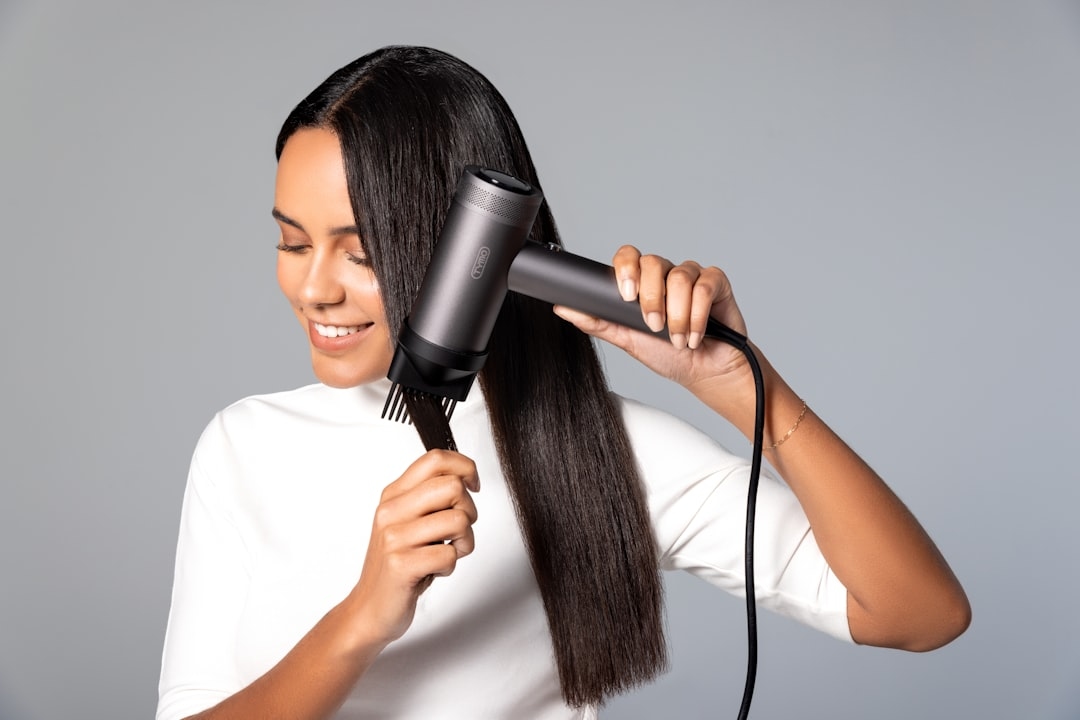
While you cannot speed up the biological growth rate of your hair, you can prevent breakage that makes growth less noticeable. Aggressive towel-drying, heat styling without protection, and tight hairstyles cause mechanical damage. Using a microfibre towel or cotton t-shirt to dry hair, applying heat protectant sprays before styling, and loosening tight ponytails reduces breakage by up to 30 per cent according to dermatological studies. The result: your 3-month growth appears fuller and more substantial.
Regional and Seasonal Variations
Geography influences hair growth more than most people realise. Studies comparing hair growth across the UK show slight regional variations. People in southern regions like the West Country and Sussex report marginally faster growth rates—potentially the effect of increased sunlight exposure and vitamin D synthesis. Northern areas including Scotland and Northeast England see fractionally slower growth during winter months (October to February), partly attributable to reduced daylight and colder temperatures restricting scalp blood circulation.
Seasonally, hair tends to grow fastest during late spring and early summer (May to August), when daylight hours peak and average temperatures climb. Growth slows during autumn and winter (September to February). If you’re measuring your progress over exactly three months, the specific three-month window matters slightly. Starting in June and ending in August captures the fastest-growing period; starting in November and ending in February captures the slowest. The difference is modest—roughly 0.2 to 0.3 inches—but noticeable if you’re being precise.
Sustainable Approaches to Healthy Hair Growth
Supporting your hair’s natural growth rate doesn’t require expensive supplements or chemical treatments. Eco-conscious approaches often prove most effective. Instead of silicone-heavy commercial conditioners, consider plant-based alternatives like coconut oil or argan oil—both sustainable and effective at reducing breakage. These oils cost between £5 and £15 for a bottle lasting several months, offering better value than premium serums.
Minimising heat styling naturally supports growth. Embracing air-drying, braiding damp hair overnight, or adopting heatless styling techniques (popular on the West Coast and increasingly across the UK) reduces cumulative damage. Beyond personal benefit, reducing reliance on heated tools lowers your household energy consumption.
If considering supplements, whole-food approaches trump pills. A diet rich in salmon, eggs, spinach, and nuts provides biotin, omega-3s, and minerals that support follicle health. A 12-week commitment to nutritional optimisation costs roughly £30 to £50 more than usual grocery spending but often yields visible differences in hair texture and growth by the three-month mark.
Measuring Your Progress
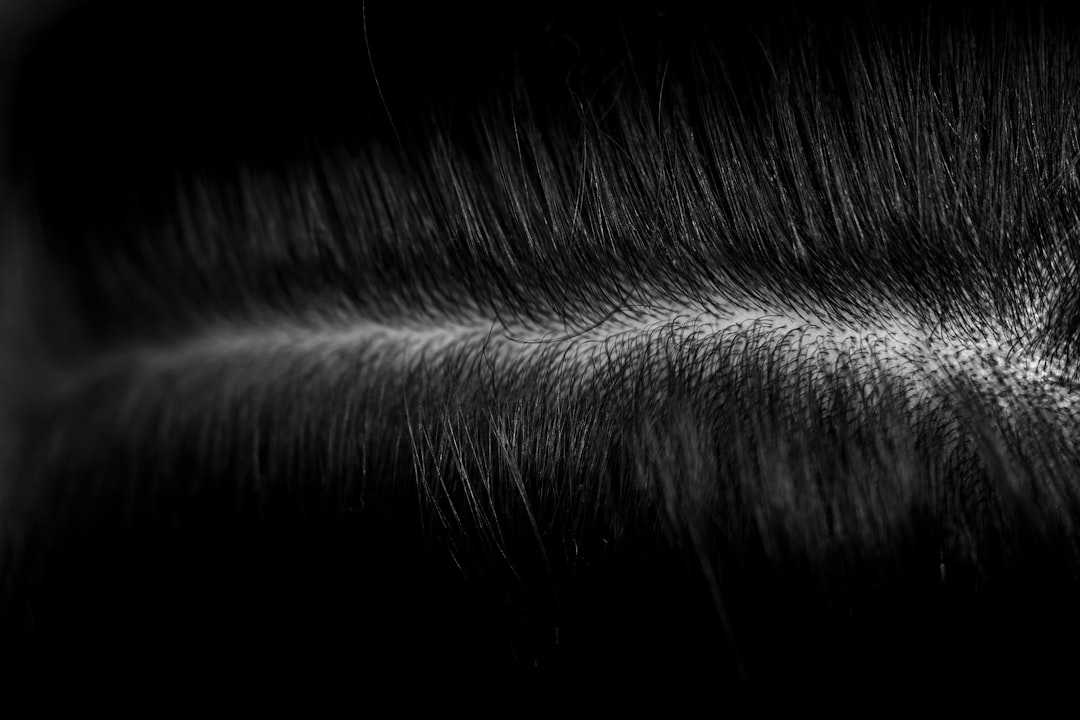
Tracking your exact growth requires consistency. Mark your hair length with a permanent marker on a ruler, or photograph the ends under identical lighting monthly. Alternatively, measure from a fixed point—the base of your neck or the top of your shoulders—to the ends of your hair using a flexible tape measure. Most people find growth becomes noticeable after 2 to 3 months of no cutting, though fine or light-coloured hair may appear to grow slower simply because it’s visually subtler.
What About Hair Supplements and Treatments?
The market overflows with hair growth supplements claiming miraculous results. The evidence is mixed. Biotin supplements show modest benefit only for those with pre-existing deficiency, and most people obtain adequate biotin from food. Minoxidil (available over the counter as Regaine in the UK, priced at £20 to £25 for a 3-month supply) does increase growth rate by approximately 20 to 25 per cent, but requires continuous use and isn’t suitable for everyone.
Professional treatments like scalp massage, microneedling, or laser therapy have growing research support but come with costs (£50 to £200 per session). If budget-conscious, prioritise optimising nutrition, stress, and sleep first—these are free and often more impactful than supplements for most people.
Frequently Asked Questions
Can I grow hair faster than 1.5 inches in 3 months?
For most people, no. Your genetic ceiling determines maximum growth rate. While optimising nutrition and reducing breakage can help you achieve the upper end of your range (around 1.5 inches per quarter), you cannot biologically exceed your genetics. If you’re consistently achieving only 0.5 inches in three months despite healthy habits, a GP consultation may rule out underlying conditions like thyroid dysfunction or nutrient malabsorption.
Does cutting hair make it grow faster?
Cutting removes damaged ends but does not accelerate growth from the follicle. The myth persists because trimmed hair appears thicker and healthier, creating the illusion of faster growth. Regular trims every 6 to 8 weeks keep ends healthy, preventing the breakage that makes growth less visible—so while cutting doesn’t speed growth, it does preserve the growth you’re already achieving.
How does hair colour affect growth rate?
Not at all. Colour (natural or dyed) has no biological impact on growth rate. Certain hair types—fine, curly, or coily textures—may appear to grow more slowly because styling and maintenance differ, but growth is identical across all hair colours and types at the follicle level.
Is 3 months enough time to see significant hair growth?
It depends on your starting point. If you’ve been significantly damaging your hair through daily heat styling, you’ll notice improvement in texture within 3 months. For actual length, 1 to 1.5 inches becomes visible if you compare carefully, especially if your hair is dark, thick, or long. Finer or shorter hair may require 4 to 6 months before change is obvious to others.
Why does my hair grow slower in winter?
Reduced daylight and lower temperatures cause mild seasonal slowdown, particularly for those in northern UK regions. Additionally, winter heating systems dehydrate scalps, and many people increase heat styling during colder months. The slowdown is typically 10 to 15 per cent compared to summer—noticeable over 3 months but not dramatic. Maintaining scalp hydration and minimising heat styling helps counteract seasonal variation.
Your 3-Month Hair Growth Timeline
Understanding your hair’s growth pattern empowers realistic planning. If you’re starting a grow-out from a short cut in April 2026, by July you’ll have gained roughly 1 to 1.5 inches—enough for slightly longer texture and styling options, though not dramatic transformation. By October (six months), you’ll see noticeably fuller length. Patience and consistency—maintaining good nutrition, reducing damage, and managing stress—yield far better results than chasing shortcuts.
Rather than fixating on exact measurements every week, check your how much does hair grow in 3 months progress every three months using your documented baseline. You’ll find that consistent, damage-minimising habits compound into genuinely impressive growth over the course of a year. For most people following realistic expectations and prioritising scalp health, that steady 4 to 6 inches annually is entirely achievable.