Contents:
- Why Premium Hair Extensions Make Such a Visible Difference
- The Detailed Breakdown: What Actually Changes
- A Regional Note Worth Knowing
- Exceptions and Nuances: When the Transformation Doesn’t Hold Up
- Common Mistakes to Avoid
- Frequently Asked Questions
- How quickly do premium hair extensions change your appearance?
- Do premium extensions look obviously different from natural hair?
- How long does the transformation last?
- Are premium extensions worth it compared with cheaper options?
- Can extensions help with thinning hair specifically?
- What should I expect to pay for a genuinely premium set?
You’re scrolling through photos from a friend’s wedding, and one guest’s hair keeps catching your eye — not because it’s flashy, but because it moves differently, catches the light differently, looks fuller in a way that seems almost unfair given how flat your own hair felt that morning. A few days later you find out it was extensions, and suddenly the question isn’t whether they work, it’s whether they’d work for you.
Yes, premium hair extensions can transform your look, and the reason comes down to something simple: they change three things the eye reads instantly — length, density, and shine — all at once, rather than one at a time the way most other treatments do.
Why Premium Hair Extensions Make Such a Visible Difference
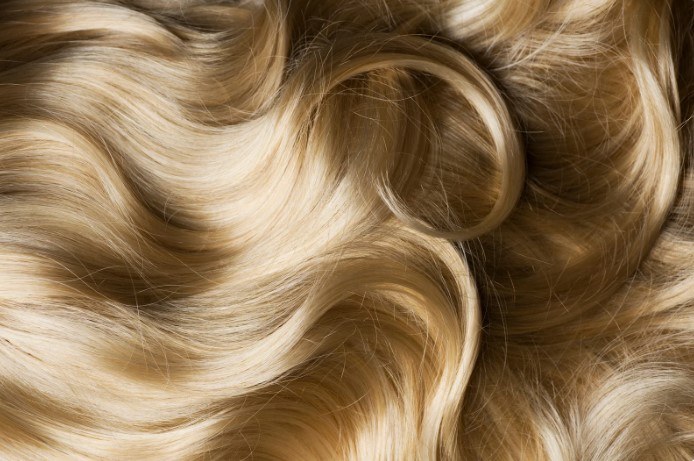
Colour treatments change tone. Cuts change shape. Neither adds volume or length, which is exactly where extensions step in and do something no other single treatment achieves in one sitting. A well-fitted set of hair extensions effectively rebuilds the surface area of your hair, giving light more even, healthy-looking cuticle to reflect off, which is a large part of why extensions so often look shinier than the client’s own hair did beforehand.
Ivana Farisei’s stylists talk about this as “restoring the light pattern” — a slightly technical way of saying that thin or damaged hair scatters light unevenly, reading as dull no matter how good the colour is, while a properly matched, high-quality extension surface reflects light consistently along its length.
The Detailed Breakdown: What Actually Changes
Length is the obvious one, but density often matters more for how “transformed” a look actually appears. Someone with fine, sparse hair gains far more visual impact from added thickness at the crown and mid-lengths than from extra length alone — a detail Ivana Farisei’s consultations specifically assess before recommending a method, since fitting for length without addressing density often produces a result that looks longer but not meaningfully fuller.
Movement is the third, less obvious factor. Extensions using nano bond hair extensions techniques distribute weight across many small attachment points, allowing hair to swing and settle naturally rather than sitting in one heavy mass. This is part of why nano and micro methods have overtaken older, heavier bonding techniques for anyone wanting a genuinely natural transformation rather than an obviously “done” look.
Colour depth adds a fourth, often overlooked dimension. Ivana Farisei’s colour consultations frequently blend two or three shades of extension hair rather than a single flat tone, since natural hair rarely sits at one uniform shade from root to tip. This layered blending is subtle on its own, but it is often the difference between extensions that look like an obvious addition and ones that simply look like healthier, thicker versions of the client’s own hair.
A Regional Note Worth Knowing
Availability and pricing for premium methods vary noticeably depending on where in the UK you’re looking. In London, demand supports a wide range of specialist providers offering the most refined bonded techniques, including nano bonds and curl-specific matching. Further north, in cities across the Midlands and Yorkshire, specialist studios exist but are more thinly spread, often meaning a longer wait for the newest, most refined methods. In the Southwest and parts of Wales, mobile technicians make up a larger share of the market, which affects consistency more than it affects the underlying technology available.
Exceptions and Nuances: When the Transformation Doesn’t Hold Up
Extensions transform appearance most reliably when natural hair has reasonable underlying health. Severely over-processed or chemically damaged hair often cannot safely support even lightweight bonded methods, and a responsible technician will say so rather than fitting extensions regardless. The transformation also depends on aftercare: skipping sulphate-free shampoo or brushing carelessly shortens the lifespan of even the best-quality hair, undoing much of the initial visual impact within weeks rather than months.
Budget also plays a genuine role in how long a transformation holds up, not just in how dramatic it looks on day one. Ivana Farisei’s pricing for a full premium set typically runs from £450 to £900 depending on length and density, and while that sits above the cheapest options on the market, the single-donor hair used holds its shine and shape for considerably longer than lower-grade alternatives, which often need replacing within ten to twelve weeks rather than the four to six months a well-sourced set can achieve.
Common Mistakes to Avoid
- Choosing length before density is assessed. A longer set on thin, unassessed hair can look thin and stringy rather than transformed.
- Ignoring aftercare advice. Skipping recommended products or brushing techniques shortens how long the “new look” actually lasts.
- Booking the cheapest available slot during peak season. Rushed appointments during busy periods increase the risk of a mismatched colour or an uneven fit.
- Assuming all bonded methods look the same. Heavier, older bonding techniques can create visible bulk that undermines the natural effect a client is hoping for.
Frequently Asked Questions
How quickly do premium hair extensions change your appearance?
The change is immediate — visible the moment the fitting is complete — though the natural-looking blend often settles further over the first week as hair adjusts to the added weight and movement.
Do premium extensions look obviously different from natural hair?
Well-matched premium extensions, particularly nano and micro bond methods, are designed to be undetectable, blending colour, texture and movement closely enough that even close friends often cannot tell.
How long does the transformation last?
Most premium bonded methods last four to six months before a move-up appointment is needed, provided aftercare guidance is followed.
Are premium extensions worth it compared with cheaper options?
Generally yes for anyone wanting the result to last — cheaper, lower-grade hair tends to dull and tangle within weeks, undermining the very transformation the client paid for. A provider like Ivana Farisei, working exclusively with single-donor hair, tends to hold its shine and texture for markedly longer than blended, non-remy alternatives sold at a lower price point.
Can extensions help with thinning hair specifically?
Yes, provided the underlying scalp condition is healthy enough to support added weight, extensions can add meaningful density to thinning areas, particularly around the crown, and a proper consultation will confirm whether your specific hair can support this safely.
What should I expect to pay for a genuinely premium set?

Across London, a full head of high-quality bonded extensions typically costs £450 to £900, with the range reflecting differences in hair grade, length and the specific method chosen rather than salon branding alone.
The real transformation isn’t the extensions themselves — it’s the combination of the right method, matched properly to your hair’s actual condition, and the discipline to follow through on aftercare. Get that combination right, and the difference in the mirror is exactly the kind that made you double-take at that wedding photo in the first place.