Contents:
- Why Learn to Braid: The Practical Benefits
- Essential Equipment and Preparation
- What You Actually Need
- Hair Preparation
- The Three-Strand Braid: Your Foundation
- Understanding the Three-Strand Mechanism
- Step-by-Step Three-Strand Braiding
- Common Mistakes to Avoid
- French Braiding: Incorporating Hair as You Go
- The Difference Between Three-Strand and French Braiding
- Step-by-Step French Braiding
- Why French Braids Feel Harder
- Variations: Once You’ve Mastered the Basics
- Dutch Braiding: The Reverse
- Two-Strand Twist
- Fishtail Braiding: Advanced but Beautiful
- Troubleshooting Common Braiding Problems
- Braid Falls Apart Immediately
- Braid Looks Lumpy or Uneven
- Hair Keeps Slipping or Escaping
- Braid Is Uncomfortably Tight
- Braiding Different Hair Types
- Fine or Thin Hair
- Thick or Coarse Hair
- Curly or Coily Hair
- Straight Hair
- Braiding in Limited Spaces: Apartment-Friendly Tips
- Practice Schedule: Building Confidence
- Frequently Asked Questions
- How long should I practice before attempting a French braid?
- Can I braid really short hair?
- Do braids damage hair?
- How long do braids last before they become messy?
- Is there a difference between how to braid hair for beginners versus how professionals braid?
- Your First Week of Braiding
Over 60% of people who try braiding for the first time abandon it within a week because their initial attempts look messy or fall apart. The assumption is that braiding requires some innate talent or years of practice. That’s false. Braiding is a mechanical skill—straightforward sequences repeated in order. How to braid hair for beginners doesn’t require anything except understanding the mechanics, practising the pattern a few times, and building muscle memory through repetition. Most people master the basic three-strand braid within 15 to 20 minutes of focused practice.
Why Learn to Braid: The Practical Benefits
Braiding isn’t just aesthetic. It serves genuine practical functions. Braids keep hair out of your face and neck during activity—they’re brilliant for gym sessions, cooking, or working in confined spaces where loose hair tangles or gets in the way. They protect hair from sun exposure and breakage during the day. They require no heat styling, saving time and protecting hair health. Braids also work for all hair types, from fine straight hair (though trickier) through thick coily hair. Learning this skill expands your daily styling options and gives you confidence managing your hair in any situation.
For people living in small apartments or shared spaces, braiding is invaluable. You can style your hair without needing mirrors from multiple angles or extra space for heat tools. A basic three-strand braid needs only your hands and a small elastic band.
Essential Equipment and Preparation
What You Actually Need
Minimal equipment is required. You need: elastic hair bands (any pack from Superdrug costs £1-3 for 20 bands), a comb or brush (£2-8), and optionally, a mirror (not essential but helpful while learning). That’s truly it. You don’t need fancy braiding tools, expensive products, or anything specialised. If you have naturally oily hair that’s difficult to grip, a small amount of dry shampoo or texturising spray helps, but it’s not necessary.
Hair Preparation
Start with clean, dry hair when learning. Wet or freshly washed hair is slippery and harder to control as a beginner. Day-old hair (hair that’s been washed and dried the previous day) is actually ideal—it has slightly more texture and grip than freshly washed hair, making it easier to braid without sections sliding around.
Brush your hair thoroughly before starting. Tangles make braiding exponentially more difficult. Spend 30 seconds to 1 minute brushing carefully, section by section, until your hair is completely smooth. This one step prevents 90% of braiding frustration.
The Three-Strand Braid: Your Foundation
Understanding the Three-Strand Mechanism
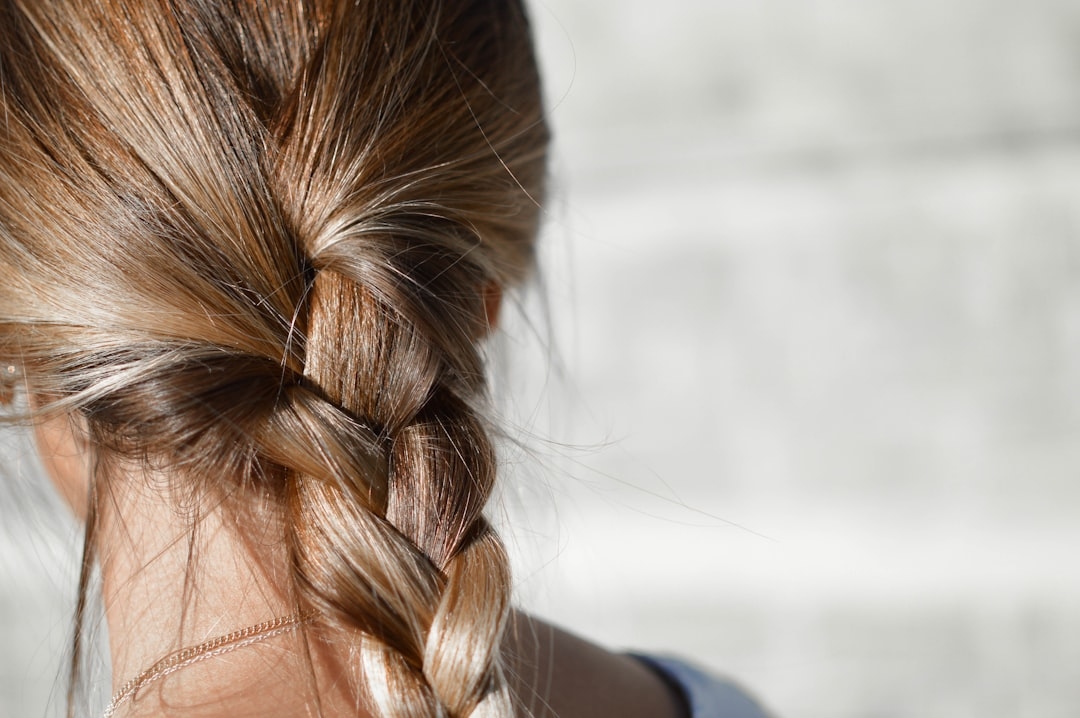
The three-strand braid is the foundation for nearly everything else. Once you master it, other braids become variations on the same principle. Here’s the core concept: you divide hair into three sections and repeatedly cross the outer sections over the middle section in a specific pattern.
Step-by-Step Three-Strand Braiding
- Divide into sections: Take your hair and mentally divide it into three equal sections. Call them Left, Middle, and Right. Hold the Left section in your left hand, the Right section in your right hand, and let Middle rest against your neck or head.
- First cross: Cross your Left section over the Middle section. Now what was Left is in the middle position, and what was Middle is now in the left position.
- Second cross: Cross your Right section over the new Middle section. Now what was Right is in the middle position, and what was in the middle is in the right position.
- Repeat: Cross Left over Middle. Then cross Right over Middle. Keep alternating, pulling each section slightly taut as you cross to keep the braid tight. This is the entire pattern—just repeating this left-over, right-over sequence from the top of your hair to the bottom.
- Finish: When you reach the end of your hair, secure with an elastic band. Wrap it around the tail of the braid 2-3 times to ensure it won’t slip out.
Common Mistakes to Avoid
- Crossover confusion: The most common error is crossing sections in the wrong order or crossing the same side twice. If you cross Left over Middle, your next move must be Right over Middle, not Left over Middle again. Alternating is essential. If your braid looks wonky, you’ve likely crossed the wrong section.
- Tension inconsistency: Pulling one section tightly and another loosely creates uneven, sloppy braids. Aim for consistent, moderate tension throughout. Not so tight you’re causing strain, but tight enough the braid holds shape.
- Starting with tangled hair: This can’t be overstated. Starting with anything less than perfectly brushed hair makes the process infuriating and results in lumpy braids.
- Adding loose hair mid-braid: As a beginner, stick to the basic braid pattern without incorporating new hair. That’s a variation—French braiding—covered later. Master the basic pattern first.
- Securing too loosely: Use elastic bands that hold firmly. A loose band means your braid falls apart within hours. If your elastic constantly slips, use a tighter band or wrap it more times around the tail.
French Braiding: Incorporating Hair as You Go
The Difference Between Three-Strand and French Braiding
A three-strand braid uses only the hair you initially divide at the top. A French braid incorporates additional hair from your scalp as you descend, creating a braid that pulls from your entire head down to the nape of your neck. French braids look neater because they’re tighter and encompass all your hair. They also stay in place much longer.
Step-by-Step French Braiding
- Start at the top: Begin with a three-strand braid as described above, at the crown of your head, using three sections from your hairline.
- First addition: When you cross your Left section over Middle, grab a small piece of hair from the left side of your head (roughly the width of a pencil) and add it to that Left section before placing it in the middle. This “incorporation” is the key difference.
- Second addition: When you cross your Right section over Middle, grab a small piece of hair from the right side of your head and add it to the Right section before placing it in the middle.
- Continue the pattern: Repeat this: Cross Left (with added hair) over Middle. Cross Right (with added hair) over Middle. Each time, grab a small amount of loose hair from that side of your head and add it to the section crossing over.
- Down the back: As you reach the nape of your neck, you’ll have incorporated all your hair. Finish with a regular three-strand braid using the hair now in your three sections, with no more additions.
- Secure: Elastic band around the tail, wrapped 2-3 times.
Why French Braids Feel Harder
French braiding requires coordinating three things simultaneously: crossing sections, maintaining tension, and adding hair at the right moment. As a beginner, practice the three-strand braid until it’s automatic (usually within 3-5 practice sessions), then move to French braiding. Attempting French braiding before mastering the basic braid is like learning to drive in heavy traffic—too many variables at once. Most people succeed when they break it into stages.
Variations: Once You’ve Mastered the Basics
Dutch Braiding: The Reverse
A Dutch braid looks similar to a French braid but creates a 3D, raised effect. Instead of crossing sections over the middle section, you cross them under. The mechanics are identical except for the direction. Dutch braids stand out from the scalp more visually, making them useful when you want a statement hairstyle rather than a tidy, streamlined look. Practice this only after French braiding feels natural—it’s simply the same pattern reversed.
Two-Strand Twist
If braiding feels overwhelming initially, a two-strand twist is your stepping stone. Take two sections of hair and twist them around each other repeatedly from top to bottom, then secure. This is genuinely easier than three-strand braiding because you’re only managing two sections instead of three. Many people find twists take them 5 minutes flat once they understand the concept. Twists work brilliantly for textured or coily hair where braids might be too tight.
Fishtail Braiding: Advanced but Beautiful
Fishtail braids create an intricate, woven appearance. The pattern is: take two sections, grab a small piece from the outer edge of the Left section and cross it to the Right section. Then grab a small piece from the outer edge of the Right section and cross it to the Left section. Repeat. It sounds complex but is actually simpler than it sounds—just alternating small sections. The visual result is stunning. This technique works particularly well for fine hair because it creates the illusion of thickness.
Troubleshooting Common Braiding Problems
Braid Falls Apart Immediately
Your elastic band is too loose, or you’re not pulling sections taut enough. Solutions: use a thicker elastic band, wrap it 3-4 times around the tail instead of once or twice, or increase the tension in your braid slightly during the braiding process. A braid should feel snug but not painful. If hair is slipping, it’s too loose.
Braid Looks Lumpy or Uneven
Your sections are different sizes. When you divide hair at the top, aim for three visually equal sections. If one section is noticeably thicker, your braid will be lopsided. Practice dividing carefully—use a mirror initially to check that your three sections are roughly the same width. After a few attempts, you’ll develop the feel for equal sections without checking.
Hair Keeps Slipping or Escaping
Your hair is too slippery. Solutions: use slightly damp hair rather than completely dry (humidity helps grip), use a texture spray or dry shampoo before braiding, or pull the braid tighter. Some hair types (very fine, very straight) are inherently trickier. These braids simply require slightly more tension than hair that’s coarser or wavier.
Braid Is Uncomfortably Tight

Loosen it. A braid that’s painful isn’t just uncomfortable—it damages hair and pulls too much at the scalp. Tension should be firm but not straining. If your scalp hurts, the braid is too tight. Gently undo it slightly to relieve pressure or redo it with less tension.
Braiding Different Hair Types
Fine or Thin Hair
Fine hair braids beautifully but requires slightly tighter tension to prevent slipping. Use three-strand or fishtail braids rather than French braids, which might pull thin hair uncomfortably. Consider using a texture spray (£5-10 from Boots) before braiding to add grip. Day-old hair works better than freshly washed for fine hair—that extra texture helps significantly.
Thick or Coarse Hair
Thick hair holds braids brilliantly and forgiving of slight tension inconsistencies. The challenge is fatigue—holding and pulling thick hair becomes tiring. Take breaks if your hands tire. Use thicker elastic bands (regular bands might slip). French and Dutch braids work beautifully with thick hair and stay in place for days.
Curly or Coily Hair
Braids work for curly and coily hair but the approach differs. Braid on damp hair rather than dry, as dry curly hair is prone to frizz. Use a curl cream or moisturising product on damp hair before braiding to hold curl definition within the braid. Braids actually protect curls and prevent them from breaking. The trade-off is that braids disrupt curl pattern, creating waves when removed. If that bothers you, use braids strategically—overnight or for gym sessions, not all day if you prefer defined curls.
Straight Hair
Straight hair braids easily but the braid can slip throughout the day because there’s no natural texture to grip. Using a slightly tighter braid and securing firmly helps. Day-old hair or hair with light texture spray works better than freshly washed straight hair.
Braiding in Limited Spaces: Apartment-Friendly Tips
One advantage of braiding is it requires minimal space. You don’t need a blow dryer, curling iron, or heat tools. You don’t need a vanity with multiple mirrors. You need only yourself, your hands, and about 2 square feet of space.
If you don’t have a full-length mirror, use a handheld mirror to check your work partway through. Once you’re comfortable, you can braid without mirror checking at all. Many people eventually braid entirely without seeing—just by feel. This skill develops after 10-15 practice sessions.
In shared accommodation, braiding produces no noise and doesn’t disturb others. Heat styling tools generate noise and heat; braiding is silent and cool. It’s genuinely the ideal styling method for small spaces and shared apartments.
Practice Schedule: Building Confidence
Day 1: Practise the three-strand braid 3-4 times. Each attempt will feel slightly smoother. Don’t expect perfection. Just focus on understanding the cross-left, cross-right pattern.
Days 2-3: Braid once or twice daily. By day 3, you should be reasonably comfortable with the basic three-strand braid.
Days 4-7: If you’re happy with three-strand braiding, start practising French braiding 1-2 times daily. Alternatively, continue perfecting three-strand braids with different tension or on different hair sections.
Weeks 2-4: You’ll likely be comfortable with French braids by week 2. At this point, experiment with variations (Dutch braids, fishtail braids) if interested.
Month 2 onwards: Braiding becomes automatic. You can braid while thinking about something else, in car journeys (as a passenger), or while watching television. The skill is genuinely internalised by this point.
Frequently Asked Questions
How long should I practice before attempting a French braid?
Most people master the three-strand braid within 3-5 practice sessions (roughly 20-30 minutes total). After that, you’re ready for French braiding. Skipping this foundation stage makes French braiding feel frustratingly difficult. Building progressively is faster than jumping ahead.
Can I braid really short hair?
Hair needs to be at least 4-5 inches long to braid effectively. Shoulder-length hair works beautifully. Very short hair (under 3 inches) is too short—sections separate easily and won’t stay braided. If your hair is short, consider waiting for growth or using a two-strand twist instead, which works with slightly shorter hair.
Do braids damage hair?
Braids damage hair only if they’re too tight. A properly tensioned braid actually protects hair because it holds the hair shaft secure and prevents tangles. Excessively tight braids (particularly if left in for days) cause traction alopecia—hair loss from constant pulling. Keep your braids snug but not painfully tight, and you’ll see no damage.
How long do braids last before they become messy?
A well-made braid using the three-strand or French braid technique stays tidy for 24 to 48 hours. After that, loose hairs escape and the braid looks progressively messier. Sleeping in a braid typically loosens it by morning. French braids last slightly longer than three-strand braids because they incorporate more hair and are inherently tighter.
Is there a difference between how to braid hair for beginners versus how professionals braid?
The core technique is identical. Professionals are simply faster and more consistent due to practice. A professional might braid your hair in 5 minutes; it might take you 15 minutes initially. But the end result is the same pattern created using the same mechanics. You’re learning exactly what professionals use.
Your First Week of Braiding
Start today if possible. Brush your hair thoroughly, divide it into three sections, and practise crossing left over middle, then right over middle, repeatedly. Don’t aim for perfection on attempt one—your goal is understanding the pattern. By attempt three or four, muscle memory will begin kicking in and the motion will feel more natural. By the end of your first week, you’ll be capable of creating a respectable braid. More importantly, you’ll have confidence that this skill is genuinely learnable and within your reach. Braiding opens styling flexibility that benefits you in every season and every situation—it’s time well invested.