Contents:
- What Keratin Treatments Actually Do
- The Real Risks: When Keratin Treatments Go Wrong
- Regional Differences in Keratin Treatment Culture
- Measuring Hair Damage: What Actually Happens
- Does Keratin Treatment Damage Hair Long-Term?
- Sustainable and Eco-Friendly Keratin Alternatives
- How to Protect Your Hair During and After Keratin Treatment
- Before Your Treatment
- During the Treatment
- After Your Treatment
- Signs Your Hair Is Actually Damaged vs. Just Needs Adjustment
- Frequency Guidelines: How Often Is Safe?
- Alternatives If You’re Concerned About Keratin Damage
- Frequently Asked Questions About Keratin Treatments and Hair Damage
- Making Your Decision
Nearly 60% of people considering keratin treatments worry about potential hair damage, yet most don’t understand what actually happens during the process. This disconnect between concern and knowledge creates confusion that keeps many from trying a treatment that might genuinely improve their hair’s condition.
The answer to whether keratin treatment damage hair is more nuanced than a simple yes or no. Like most hair treatments, keratin can enhance your locks or compromise them—depending on the specific treatment type, your hair’s starting condition, and how you care for it afterward. Understanding these factors helps you make an informed decision that suits your hair and lifestyle.
What Keratin Treatments Actually Do
Keratin treatments work by infusing a protein-based solution into your hair shaft, smoothing the cuticle layer and temporarily filling gaps where damage exists. The protein coats each strand, creating a protective barrier that reduces frizz, adds shine, and makes hair easier to manage. Rather than permanently changing your hair’s structure, most keratin treatments sit on top of the strand, gradually washing out over time.
The confusion around damage often stems from misunderstanding how the treatment functions. Keratin treatment damage concerns typically fall into two categories: damage from the chemicals used in the application process, and damage from poor aftercare. The former is preventable with quality products; the latter is entirely within your control.
Different types of keratin treatments use varying formulations. Brazilian blowouts, for instance, typically contain formaldehyde or formaldehyde-releasing compounds, which can pose risks if applied in poorly ventilated spaces. Gentler alternatives exist, such as formaldehyde-free keratin treatments that rely on plant-based proteins or acid-based systems, which offer similar smoothing benefits without the chemical concerns.
The Real Risks: When Keratin Treatments Go Wrong
Damage from keratin treatments usually happens in one of three scenarios: excessive heat application during the process, chemical sensitivity in people with compromised scalps, or incorrect product selection for your specific hair type.
During a professional application, the stylist blow-dries your hair to extreme temperatures—often between 200-450°F (93-232°C)—to seal the keratin into the shaft. Hair naturally begins suffering structural damage above 300°F (149°C). While one session rarely causes permanent damage, repeated treatments without proper spacing can weaken the protein bonds holding your hair together. Research shows that hair exposed to temperatures above 400°F for extended periods develops increased porosity and brittleness, making it prone to breakage.
Chemical burns on the scalp present another genuine concern, particularly with products containing formaldehyde. If the keratin solution sits on your scalp too long or you have a sensitive scalp, irritation can occur. A 2024 study published in the Journal of Cosmetic Dermatology found that 12% of keratin treatment users reported scalp sensitivity, though severe reactions remained rare when products were applied by trained professionals.
Product quality matters enormously. Budget keratin treatments often contain silicones and heavy oils that build up on hair over time, creating dull, limp locks that look and feel damaged even if the hair structure remains intact. This buildup requires clarifying treatments to remove, and some people mistake this residue for actual damage.
Regional Differences in Keratin Treatment Culture
Your location influences how you should approach keratin treatments. In the Northeast, where humidity levels fluctuate dramatically between seasons, keratin treatments remain highly popular for managing frizz. However, the colder months mean heating systems dry the air excessively, and many practitioners recommend lighter formulations to avoid further moisture depletion. Boston-based trichologist Sarah Chen notes that “Northeast clients often benefit from hydrating keratin blends rather than the standard formulas, since our climate already strips moisture from the hair shaft.”
The South and coastal regions face opposite challenges. High humidity and saltwater exposure mean stronger keratin formulations work better, but the sustained heat requires extra caution about heat damage during application. West Coast salons have pioneered formaldehyde-free alternatives partly because of stricter air-quality regulations in California, making these gentler options easier to find and more affordable in that region.
In the UK, where humidity sits moderate year-round, keratin treatments typically last longer than they do in more extreme climates. British practitioners increasingly recommend semi-annual treatments rather than quarterly ones, reducing cumulative chemical and heat exposure.
Measuring Hair Damage: What Actually Happens
Understanding hair damage scientifically helps you assess whether a keratin treatment harmed your hair or simply revealed existing damage. Hair damage manifests in several measurable ways: increased porosity (measured by how quickly water absorbs into the strand), reduced tensile strength (how much weight the hair can support before breaking), visible cuticle damage (observable under magnification), and changes in shine and texture.
A quality keratin treatment actually decreases porosity temporarily by smoothing the cuticle layer. If your hair becomes more porous after treatment, the keratin likely wasn’t the culprit—rather, the heat or your pre-existing hair condition created the issue. Professional salons can measure porosity before and after treatment; some upscale salons in London offer this service for £35-50, providing data about your hair’s actual response.
Tensile strength should remain unchanged after a quality keratin treatment. If your hair breaks more easily post-treatment, the issue usually traces back to inadequate spacing between treatments, excessive home heat styling, or using products with harsh sulfates that strip away the keratin coating.
Does Keratin Treatment Damage Hair Long-Term?
This is the critical question most people actually want answered. The honest response: single keratin treatments cause minimal long-term damage, but repeated treatments over years can accumulate strain on your hair.
Your hair grows approximately 6 inches per year, meaning the treated hair eventually sheds naturally. Hair receiving keratin treatment every 8-12 weeks will have treated hair constantly present on your head, never fully cycling out. This means the damage risk—if any exists—becomes chronic rather than temporary.
Hairstylist Marcus Webb, who specializes in keratin treatments at salons across London, suggests a practical approach: “Space treatments a minimum of 12 weeks apart, and use that time to focus on restorative treatments like deep conditioning. This prevents the cumulative stress that actually does damage hair long-term.” Proteins can build up on hair strands when applied too frequently; this buildup, while reversible with clarifying shampoos, can cause temporary brittleness.
People who receive monthly keratin treatments for years may notice their hair becomes slightly thinner or more prone to breakage over time. This isn’t inevitable—many regular treatment users maintain strong, healthy hair—but the risk increases with frequency and duration of treatments.
Sustainable and Eco-Friendly Keratin Alternatives
If you’re concerned about damage or environmental impact, several gentler alternatives exist. Plant-based keratin treatments derived from plant proteins rather than hydrolyzed animal proteins offer similar smoothing benefits with lower chemical intensity. These typically cost 15-25% more than traditional keratin but reduce formaldehyde exposure entirely.
Eco-friendly options are expanding. Some UK salons now use biodegradable keratin formulations that break down naturally rather than accumulating in waterways. These products still contain proteins and conditioning agents, but they’re designed to wash out without environmental persistence. Expect to pay £120-180 for these premium treatments versus £80-140 for standard formulas.
Another sustainable option involves spacing traditional keratin treatments further apart and filling gaps with protein-based hair masks at home. A quality keratin mask costs £15-30 and provides a gentler version of the treatment effects without the heat damage risk. Applied weekly to damp hair, these masks gradually condition and smooth your hair over time, reducing the need for frequent professional treatments.
How to Protect Your Hair During and After Keratin Treatment
If you decide to pursue keratin treatment, protecting your hair involves actions before, during, and after the appointment.
Before Your Treatment
Schedule a strand test 48 hours before your treatment if you’ve never tried this product or haven’t used it in over a year. Apply a small amount to a hidden section of hair to check for scalp sensitivity or adverse reactions. If itching, burning, or irritation develops, inform your stylist immediately.
Come to your appointment with clean but not freshly-washed hair. Shampoo the evening before, allowing natural oils to rebuild on your scalp. These oils provide protection during the heat application phase and reduce irritation risk.
If your hair has been previously colored or bleached, inform your stylist. Damaged or compromised hair cuticles absorb keratin differently and may require gentler formulations or modified application times.
During the Treatment
Request that your stylist apply a scalp protectant before beginning. Quality salons routinely use barrier creams or oil along the hairline and parting areas to prevent chemical contact with sensitive scalp skin. This single step dramatically reduces scalp irritation risk.
Ask about the keratin product being used. Specific questions worth asking: Does it contain formaldehyde or formaldehyde-releasing compounds? At what temperature will it be sealed? How many heat cycles will be used? Stylists confident in their products will provide detailed answers. Vague responses suggest the salon may be prioritizing speed over quality.
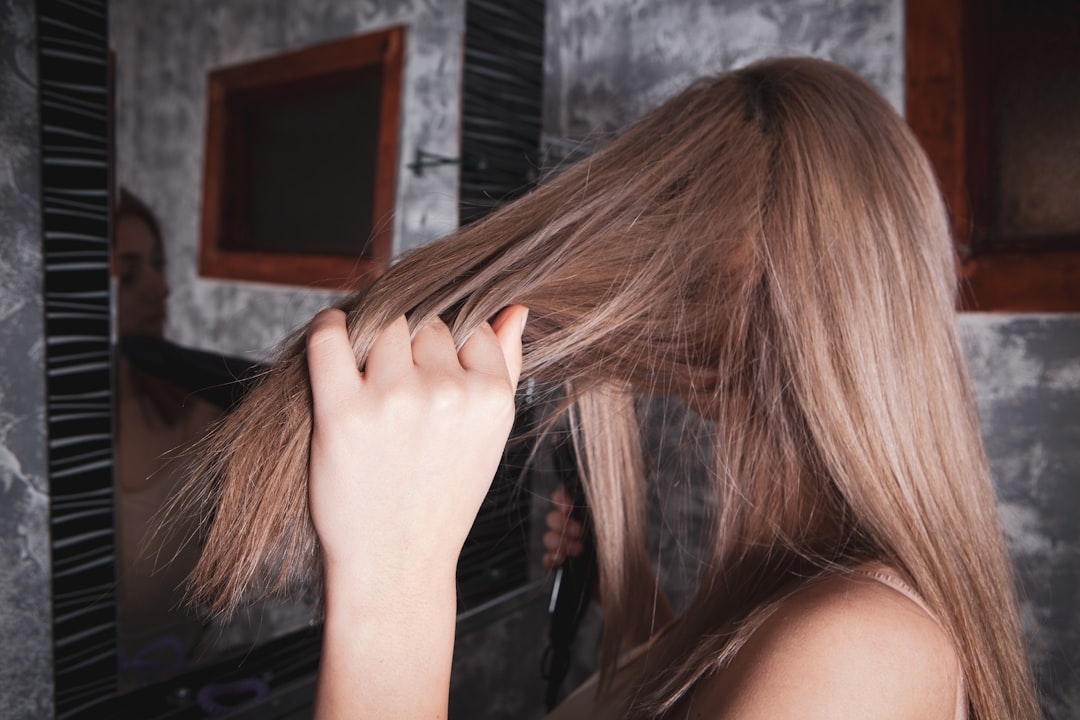
The entire process should take 2-3 hours depending on your hair length and thickness. Anything significantly shorter may indicate rushed application, which increases damage risk. Longer appointments with proper sectioning and careful heat application correlate with better results and less damage.
After Your Treatment
The post-treatment period determines most of your results and damage risk. Most keratin treatments require a 48-72 hour curing period where you cannot wash your hair. During this time, the keratin is bonding with your hair shaft. Premature washing prevents this bonding and wastes your money, so adherence matters.
When you finally wash your hair, use sulfate-free shampoo and conditioner. Sulfates strip the protective keratin coating, defeating the purpose of treatment. Quality sulfate-free products cost slightly more (£8-15 per bottle in UK high street shops), but they extend your treatment life from 6-8 weeks to 10-14 weeks, making them cost-effective.
Minimize heat styling for the first week after treatment. Your hair is in a vulnerable state during the bonding period, and excessive blow-drying or straightening can weaken the treatment’s effectiveness and potentially damage the hair. After the first week, use heat protectant sprays routinely before any heat styling.
Deep conditioning once weekly maintains the protein treatment’s benefits and prevents buildup. Apply the mask to mid-lengths and ends, not the scalp, and leave it on for 10-15 minutes. This regular maintenance prevents the brittleness that occurs when keratin treatments aren’t properly supported.
Signs Your Hair Is Actually Damaged vs. Just Needs Adjustment
Not every hair change after keratin treatment indicates damage. Sometimes your hair simply needs adjustment time or different product support.
Temporary changes that are normal: Hair may feel slightly stiff for the first few days; this resolves as the keratin settles. Some frizz may return as you approach your next treatment—this is the keratin washing out, not new damage. Hair may feel lighter and less textured initially if you had very curly hair; this returns somewhat as the treatment fades.
Signs of actual damage: Breakage that increases week-to-week indicates structural weakness. Extreme dryness that doesn’t improve with deep conditioning suggests protein buildup or cuticle damage. Scalp irritation lasting more than a few days requires medical attention. Hair that becomes visibly thinner section-by-section suggests breakage, not normal shedding.
If you notice genuine damage signs, stop having keratin treatments temporarily and focus on restorative care. Deep conditioning treatments, protein-free moisturizing masks, regular trims to remove damaged ends, and limiting heat styling allow your hair to recover over 6-12 weeks.
Frequency Guidelines: How Often Is Safe?
Professional recommendations have shifted toward spacing as keratin treatment technology has improved. The old guideline of monthly treatments is now widely considered excessive.
For healthy, intact hair: Every 12-16 weeks is reasonable if you follow proper aftercare. This allows treated hair to cycle out while keeping some keratin-treated hair on your head continually.
For previously damaged or chemically-treated hair: Every 16-20 weeks is safer. These strands are more fragile and accumulate damage faster with frequent treatment.
For maintenance between treatments: Weekly to bi-weekly protein masks sustain the benefits without additional chemical or heat exposure. This approach can extend your professional treatment cycles to every 20 weeks rather than 12.
Your individual response matters more than general guidelines. If your hair feels strong, looks shiny, and shows no damage signs after 12 weeks, the treatment frequency works for you. If you notice brittleness or breakage approaching that timeline, space treatments to 16-20 weeks.
Alternatives If You’re Concerned About Keratin Damage
Several treatments offer frizz-reduction and smoothing benefits without the damage concerns of traditional keratin.
Protein treatments without heat sealing: These masks and rinses deliver proteins without requiring extreme heat application. Results are less dramatic and shorter-lasting (3-4 weeks), but damage risk is minimal.
Smoothing creams and serums: These products coat the hair shaft similarly to keratin but wash out after each shampoo. No commitment necessary, and you can experiment risk-free.
Straightening alternatives: Japanese hair straightening and chemical relaxers smooth hair permanently but carry their own damage risks—not necessarily better than keratin, just different.
Moisture-focused treatments: Sometimes frizz indicates dehydration rather than unruly texture. Deep conditioning treatments and hydrating sprays address this root cause without processing.
Frequently Asked Questions About Keratin Treatments and Hair Damage
Can keratin treatments damage fine or thin hair specifically?
Fine and thin hair is more vulnerable to damage simply because fewer protein strands comprise each individual hair. A single strand breaks more easily. Keratin treatments can work well for fine hair—they actually add thickness perception—but require careful product selection (lightweight formulas) and extended spacing (every 16-20 weeks). Avoid heavy keratin products designed for thick, coarse hair.
How do I know if my scalp is too sensitive for keratin treatment?
If you have active scalp conditions like psoriasis or eczema, history of chemical burns, or react to hair dyes, consult your GP before keratin treatment. A dermatologist can determine if formaldehyde-free alternatives are appropriate. Even then, proceed with a strand test first. Many people with sensitive scalps use keratin successfully with proper precautions.
Does keratin treatment damage color-treated hair?
Keratin doesn’t directly damage color, but the heat application can slightly accelerate color fading. Color-treated hair already has compromised cuticles, making it more vulnerable to heat damage. If you have color-treated hair, request lower heat settings and formaldehyde-free formulas. Space treatments even further apart—every 16-20 weeks rather than 12.
Will keratin treatment damage my hair if I swim regularly?
Chlorine and saltwater both degrade keratin treatments and can stress hair. If you swim regularly, either increase treatment frequency (every 10-12 weeks instead of 12-16) or consider skipping keratin treatments entirely. Clarifying shampoos remove chlorine but also strip keratin, creating a cycle that damages hair. Protective spray before swimming helps, but it’s not foolproof.
Can damaged hair be repaired by keratin treatment?
Keratin treatments improve the appearance of damaged hair by smoothing cuticles and filling gaps, but they don’t repair structural damage. The protein coating creates a protective layer, which helps prevent further damage, but any actual protein loss in the hair shaft is permanent. Keratin makes damaged hair look and feel better temporarily, but you still need to trim off severely damaged ends eventually.
Making Your Decision
Whether keratin treatment damage hair for you personally depends on several factors only you can assess: your hair’s current condition, how frequently you’re willing to treat, your budget for quality products and professional application, and your willingness to follow proper aftercare.
If you’re considering keratin treatment, schedule a consultation with a stylist who asks detailed questions about your hair history and lifestyle rather than just upselling the service. A professional who recommends spacing treatments appropriately and discusses realistic results demonstrates genuine expertise.
Start with a single treatment and observe your hair’s response over the next 6 months. If your hair becomes stronger, shinier, and easier to manage without developing breakage or excessive dryness, the treatment benefits you. If you notice damage signs, you’ve learned important information about your hair’s needs.
Quality keratin treatments applied by skilled professionals with proper aftercare rarely cause damage. They’re more likely to improve your hair’s condition while managing frizz and texture challenges. The damage risk comes primarily from cutting corners—cheap products, rushed application, excessive heat, poor aftercare, or over-treating. By understanding these variables and taking control of them, you can safely enjoy the benefits keratin offers.