Contents:
- Understanding Hair Developer: What Volume Actually Means
- Choosing the Right Volume for Your Hair
- For Covering Grey Hair
- For Lightening Hair
- For Darkening Hair
- For Previously Coloured Hair
- What the Pros Know: Sidebar Tips
- Reader Story: Why Volume Matters
- Cost Breakdown: Developer and Permanent Colour
- Step-by-Step: Using the Right Developer
- FAQ
- Can I mix different developer volumes?
- Will using 40 volume make colour lighter or darker?
- Is 10 volume permanent colour less permanent than 20 volume?
- Can I use permanent colour without developer?
- What if I’ve already used the wrong developer volume?
You’ve chosen your permanent colour. You have the box at home. Then you read the packaging and see three developer options, and suddenly you’re confused. 10 volume? 20 volume? 40 volume? They sound interchangeable, but they’re not. Your developer choice directly determines how much your hair lifts, how permanent the colour is, and how much damage occurs.
Getting this decision right makes the difference between professional-looking results and either dull colour or fried hair.
Understanding Hair Developer: What Volume Actually Means
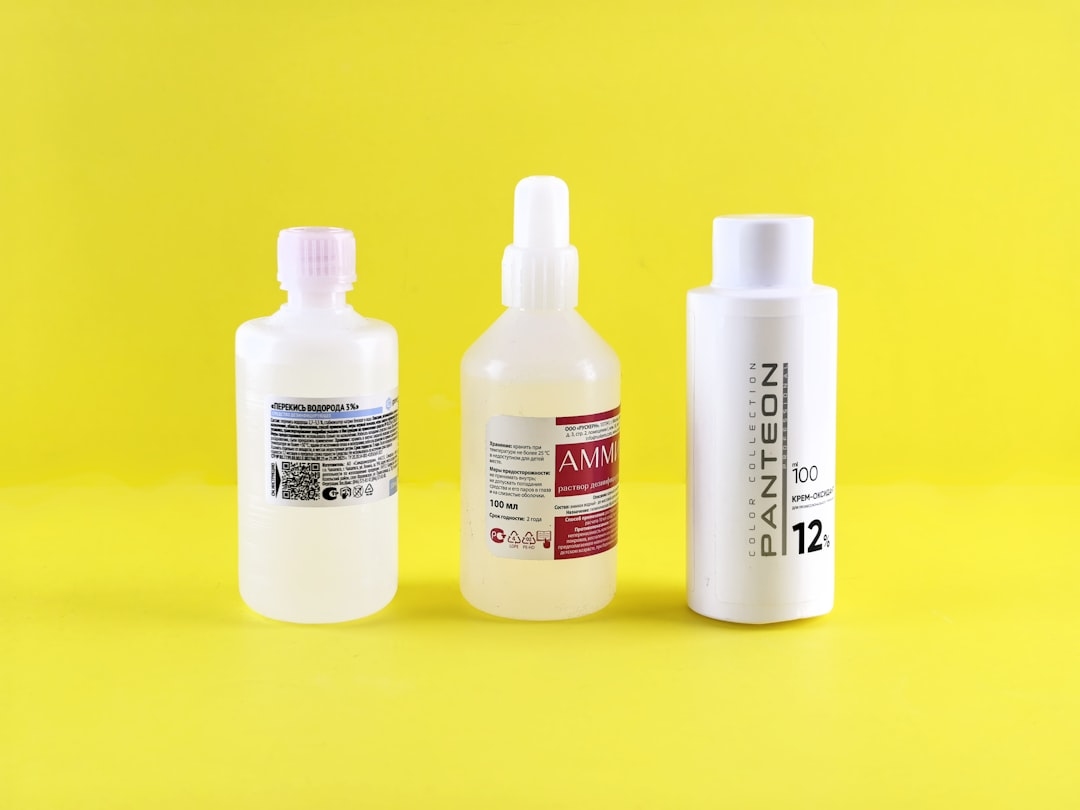
Developer (hydrogen peroxide) opens your hair’s cuticle, allowing permanent colour pigment to deposit inside the hair shaft. Developer volume indicates hydrogen peroxide concentration as a percentage.
- 10 volume (3% hydrogen peroxide): Minimal lift. Deposits colour without significantly lightening existing pigment. Least damaging option.
- 20 volume (6% hydrogen peroxide): Moderate lift (1-2 levels). Most versatile option. Standard choice for most people.
- 30 volume (9% hydrogen peroxide): Significant lift (2-3 levels). More damaging. For deliberate lightening or tough grey coverage.
- 40 volume (12% hydrogen peroxide): Maximum lift (3+ levels). Most damaging. Professional-only in many regions. Use only when attempting dramatic lightening with colour that requires high developer volume.
“Lift” refers to how much existing hair pigment is lightened during colour processing. 10 volume lifts minimally; existing dark pigment stays dark. 40 volume lifts maximally; dark hair shifts noticeably lighter.
Choosing the Right Volume for Your Hair
For Covering Grey Hair
If you have grey hair and want to cover it with permanent colour, use 10 or 20 volume depending on how dark you’re going.
10 volume if: Your desired colour is the same shade as or darker than your natural hair. Example: naturally dark brown, going to dark brown or black. Grey will be completely covered with minimal damage.
20 volume if: Your desired colour is slightly lighter than your natural shade. Example: naturally dark brown, going to medium brown. The 20 volume lift helps the colour show properly on grey whilst still covering it completely.
Using 40 volume to cover grey is overkill and unnecessarily damaging. The colour depositing power of permanent dye covers grey excellently without high-volume developer.
For Lightening Hair
Lightening requires higher volume because you need developer to open the cuticle AND lift existing pigment simultaneously.
For 1-2 levels of lift (example: dark brown to medium brown): Use 20 volume. This lifts existing pigment enough that your colour appears lighter whilst the dye deposits deeply for permanent results.
For 2-3 levels of lift (example: medium brown to light blonde): Use 30 volume. Be aware this causes noticeable damage, particularly on fine or previously coloured hair. Protein treatments and deep conditioning become essential post-colour.
Attempting more than 3 levels of lift: Honestly, consider bleach instead of permanent colour with high-volume developer. If you need more than 3 levels of lift, bleach actually works better—professional hairdressers bleach, then tone. Permanent colour with 40 volume often fails to lift enough whilst damaging heavily. Professional result requires a different approach.
Sarah Patel, master colourist at a London salon, explains: “I see people trying to go from dark brown to blonde using permanent colour and 40 volume. It never looks right. The colour sits patchy, the lightening is uneven, and the damage is substantial. If you want true lightening beyond 2-3 levels, use bleach with a professional toner. Permanent colour at any developer volume just isn’t designed for dramatic lightening.”
For Darkening Hair
If you’re going darker than your current shade, use 10 volume exclusively. There’s no need for lift—you want the colour to deposit deeply without lifting existing pigment. 10 volume does this perfectly and minimises damage.
Example: Natural light brown going to dark brown or black. 10 volume permanent colour deposits beautifully without unnecessary chemical stress.
For Previously Coloured Hair
If your hair is already colour-treated, use one volume lower than you normally would. Previously coloured hair is more porous (absorbs colour faster) and more fragile (breaks more easily from developer processing).
Example: Normally you’d use 20 volume. If your hair is previously coloured, use 10 volume instead. The colour will deposit just as richly because your hair absorbs colour better, but damage is minimised.
What the Pros Know: Sidebar Tips
Timing matters as much as volume. 10 volume takes longer to process (40-45 minutes) but produces less damage. 20 volume processes faster (30-40 minutes) with more lift. Don’t reduce volume but extend timing beyond the box instructions—that defeats the purpose of lower volume.
Your hair texture affects volume choice. Fine, thin hair suffers more from developer processing than thick, coarse hair. If you have fine hair, use one volume lower than the instructions suggest. Fine hair coloured with 20 volume gets the same result as thick hair coloured with 30 volume, but fine hair incurs less damage at the lower volume.
Mixing ratio matters. Most permanent colours mix at 1:1 or 1:2 (colour to developer). Don’t deviate. Using less developer to “save” your hair doesn’t work—it just creates uneven colour. Use the correct ratio every time.
Reader Story: Why Volume Matters
Emma, a Manchester resident, tried permanent colour at home using 40 volume to go from dark brown to light brown. She wanted results quickly. The colour processed in 25 minutes. The result: uneven patchy lightening and severe breakage along her ends. Six months later, the damaged length still hadn’t grown out enough to trim away.
A professional colourist later told her that 20 volume for 40 minutes would have produced better results with far less damage. Emma learned that developer volume isn’t about speed—it’s about matching the chemical intensity to your hair’s needs.
Cost Breakdown: Developer and Permanent Colour
Permanent colour costs vary by brand and developer option.
- Budget permanent colour (Schwarzkopf, Clairol): £3-6 per box. Comes with developer. Volume choice limited (usually 20 or 30 only).
- Mid-range permanent colour (Wella, L’Oreal): £5-8 per box, or £8-15 if buying colour and developer separately. More volume options (10, 20, 30, 40).
- Professional permanent colour (Igora, Koleston): Requires salon visit (£40-80 in UK salons) or purchase only from professional retailers (£10-20 for colour). Developer varies by brand (£5-15).
If doing colour at home, budget brands with included developer are cost-effective. If buying colour and developer separately for more control, expect £15-30 total. Professional application costs £40-80 but includes expertise in volume selection and damage prevention.
Step-by-Step: Using the Right Developer
Step 1: Identify your starting shade. Note whether your hair is naturally dark, medium, or light. Note if it’s previously coloured.
Step 2: Choose your target shade. Is it darker, the same, or lighter than your current shade? By how many levels?
Step 3: Consult the chart on the colour box. Most reputable brands include a shade selection guide. It should indicate recommended developer for each scenario.
Step 4: Adjust for your hair type. If your hair is fine or previously coloured, go one volume lower than the chart suggests.
Step 5: Mix correctly. Follow the ratio on the box (usually 1:1 or 1:2). Measure accurately—more developer than specified doesn’t lift faster; it just damages hair.
Step 6: Process for the time indicated. Don’t reduce time hoping for faster results. Processing time and developer volume work together. Reducing time with high volume creates patchy results.
Step 7: Deep condition after colour. All permanent colour with any developer volume damages hair somewhat. A protein treatment within 48 hours post-colour strengthens hair and extends colour vibrancy.
FAQ
Can I mix different developer volumes?
Technically yes, but don’t. Mixing volumes creates unpredictable results. Use the volume you’ve chosen exclusively. If your box calls for 20 volume, buy 20 volume, not a mix of 10 and 30.
Will using 40 volume make colour lighter or darker?
Higher volume lifts existing pigment, making hair appear lighter. So using 40 instead of 20 volume lightens the base hair more, but doesn’t make the colour itself darker or lighter—the colour shade is set by the colour formulation. Higher volume just changes how that colour appears on a lighter base.
Is 10 volume permanent colour less permanent than 20 volume?
No. Permanence is determined by the colour formulation, not developer volume. A 10 volume permanent colour is just as permanent as 20 volume. The volume just affects how much lift occurs and how much damage happens.
Can I use permanent colour without developer?
No. Developer is essential. Without it, the colour won’t open your hair’s cuticle, and permanent colour won’t deposit inside the hair. Any colour without developer is semi-permanent at best.
What if I’ve already used the wrong developer volume?
If you’ve used high volume and damaged your hair, deep condition and use protein treatments weekly for the next 4 weeks. Minimise heat styling. Get regular trims (every 6 weeks) to remove the most damaged lengths. Recovery takes time, but consistency helps. If damage is severe, a professional stylist can assess whether cutting is necessary.
Developer volume is straightforward once you understand that volume = processing intensity. Lower volume, less damage, slower processing. Higher volume, more damage, faster processing. Match the volume to your goal: 10 for coverage and darkening, 20 for modest lightening, 30 for significant lightening, and 40 only when absolutely necessary. Getting this right makes permanent colour rewarding rather than regrettable.