Contents:
- Understanding Hair Mask Timing Basics
- Pre-Shampoo Masks: When and Why
- Pre-Shampoo Timing Across Different Seasons
- Post-Shampoo Masks: The Traditional Approach
- Application Technique for Maximum Absorption
- Regional Practices: What Different Areas Prefer
- What the Pros Know
- Choosing Between Pre and Post Based on Your Hair Type
- Curly and Coily Hair
- Straight and Fine Hair
- Thick and Dense Hair
- Damaged or Colour-Treated Hair
- Creating Your Weekly Hair Mask Schedule
- Common Mask Application Mistakes
- FAQ: Hair Mask Timing Questions Answered
- Can I use a hair mask before and after shampooing in the same wash?
- How often should I apply hair masks?
- Is it better to apply hair mask to wet or dry hair?
- What’s the difference between conditioner and a hair mask?
- Can I sleep with a hair mask on?
- Final Recommendations for 2026
Most people think hair masks must go on before shampooing. That’s backwards. The correct timing depends entirely on what your hair actually needs and which products you’re using, and getting this one detail right transforms your hair routine from mediocre to genuinely effective.
Understanding Hair Mask Timing Basics
Your shampoo removes oil, dirt, and product residue from your hair. This creates two distinct scenarios for mask application. Apply a mask before shampooing, and you’re treating hair that’s still weighed down by buildup. Apply it after, and you’re treating freshly cleansed strands that can actually absorb the treatment. Each approach serves a different purpose.
The misconception likely stems from older hair care advice that assumed all masks were moisture-based. That hasn’t been true since the early 2020s, when professional-grade treatments became much more targeted. Modern masks fall into specific categories: deep conditioning masks, protein treatments, clarifying pre-shampoo masks, and scalp treatments. The category determines your timing.
Pre-Shampoo Masks: When and Why
Pre-shampoo masks (often called “pre-poo” treatments) are applied to dry or damp hair before you wash. These typically contain oils, emollients, or specific conditioning agents designed to protect your hair during the washing process. Think of them as a shield.
Use pre-shampoo masks when:
- Your hair is dry, brittle, or prone to breakage (apply 15–20 minutes before shampooing)
- You’ve had recent heat treatments or chemical processing
- You’re dealing with frizz from environmental humidity
- Your hair gets tangled easily during washing
A quality pre-shampoo mask from UK brands like Olaplex or Kerastase costs between £25 and £50. Apply it to mid-lengths and ends, avoiding the scalp. Leave it on for at least 10 minutes—or overnight if your hair is severely damaged—then shampoo as normal.
Pre-Shampoo Timing Across Different Seasons
Seasonal humidity shifts affect when you need pre-shampoo protection. From December through February, central heating dries hair dramatically, making pre-shampoo masks essential every wash day. March through May, as temperatures climb, reduce frequency to 2–3 times weekly. June through August, when humidity peaks, you might skip pre-shampoo entirely if your hair trends oily. September through November, as heating returns, gradually increase frequency back to every wash.
Post-Shampoo Masks: The Traditional Approach
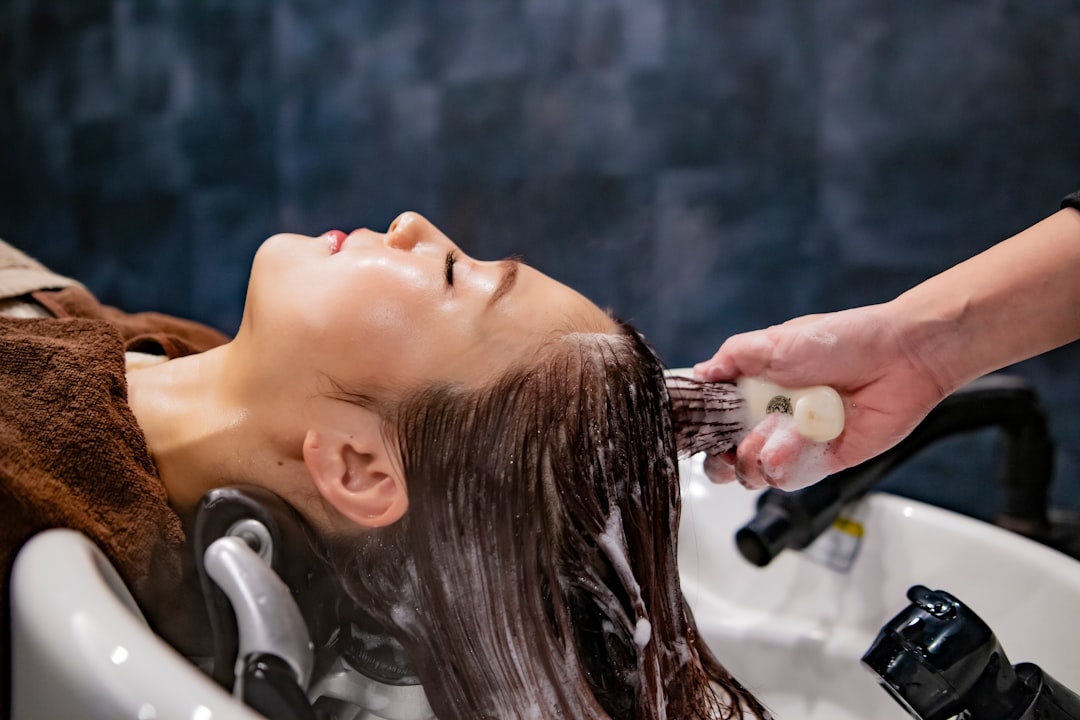
Post-shampoo masks go on clean, damp hair after you’ve shampooed. This is the more common application method and works brilliantly for most hair types. Your shampoo has removed barriers, so your hair is primed to absorb treatment.
These masks typically deliver deep hydration, protein reconstruction, or scalp nourishment. Leave one on for 5–15 minutes in the shower, or wrap your hair and leave it overnight for intensive repair. UK specialists recommend Kiérastase, Schwarzkopf Professional, or Coco & Eve masks in this category, ranging from £18 to £45 per application.
Post-shampoo masks suit:
- Fine or thin hair (which benefits from moisture without pre-treatment weighing it down)
- Coloured or chemically treated hair (applies treatment where damage is concentrated)
- Scalp issues like dryness or irritation
- Regular weekly maintenance routines
Application Technique for Maximum Absorption
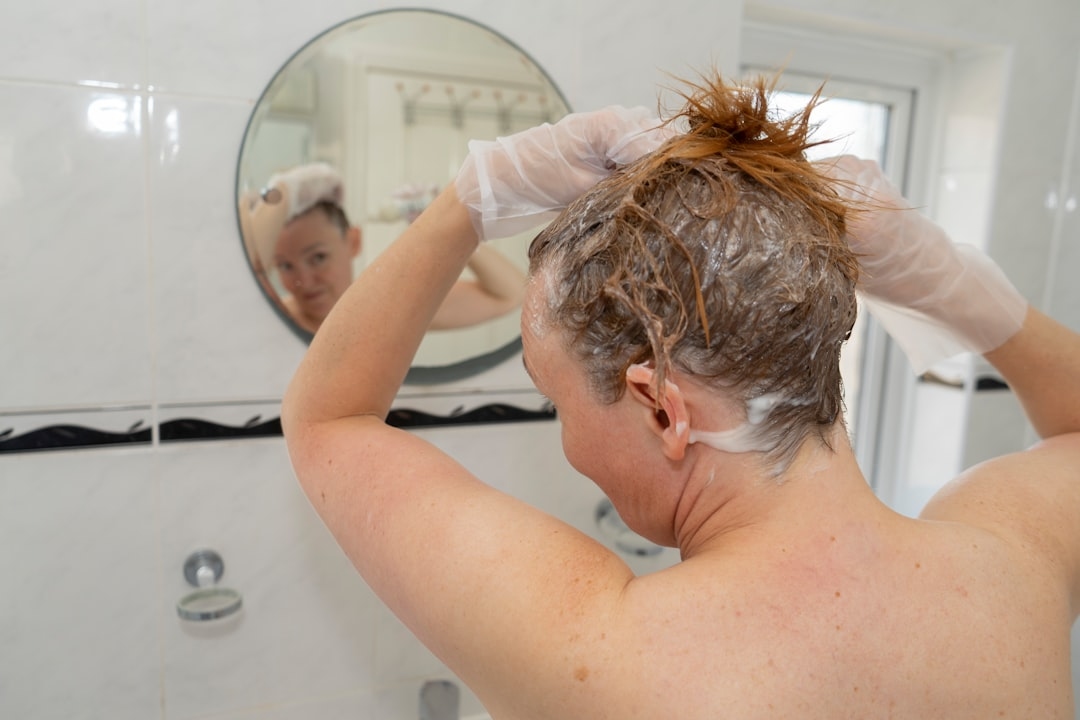
Section your hair into 4–6 quadrants using clips. Apply the mask section by section, working from roots to tips. Use more product on mid-lengths and ends where damage accumulates. Comb through with a wide-tooth comb to distribute evenly. This systematic approach, used by salon professionals, ensures no area gets neglected.
Regional Practices: What Different Areas Prefer
Hair care routines vary considerably by region. In the South of England, where water tends harder and mineral-heavy, pre-shampoo masks are more popular to combat buildup. Northern regions prefer post-shampoo application, as cooler climates mean less humidity-related frizz. The West Midlands and Wales, with moderate humidity, balance both approaches depending on season. Scottish professionals often recommend alternating weekly: pre-shampoo one week, post-shampoo the next, to address both protection and repair simultaneously.
What the Pros Know
Professional stylists use a simple rule: if the mask contains oil or silicone, apply before shampooing; if it’s water-based with humectants or proteins, apply after. This distinction matters because oils are hydrophobic—shampooing removes them anyway—so pre-application makes sense. Water-based treatments absorb better into clean, squeaky-clean hair. Professionals also stack treatments: they might use a 2-minute pre-shampoo oil mask followed by a 10-minute protein mask post-shampoo, targeting multiple concerns in one routine. This costs roughly £60–£80 per salon treatment but can be replicated at home for £15–£25 using quality high-street products.
Choosing Between Pre and Post Based on Your Hair Type
Curly and Coily Hair
Curly patterns trap moisture, so post-shampoo masks that seal the cuticle work best. Apply to soaking wet hair and leave for at least 10 minutes. Brands like Miss Jessie’s or Carol’s Daughter (£20–£35) are formulated for this texture.
Straight and Fine Hair
Fine hair gets weighed down easily. A lightweight post-shampoo conditioner (2–3 minutes) beats a heavy mask. If you use a mask, choose water-light formulas and skip pre-shampoo altogether.
Thick and Dense Hair
Thick hair benefits from both. Use pre-shampoo for protection, then follow with post-shampoo for depth. These hair types can handle 20-minute mask applications without looking limp.
Damaged or Colour-Treated Hair
This category absolutely needs post-shampoo masks 1–2 times weekly. Protein-based masks (£20–£40) repair structure. Add a pre-shampoo oil mask before colouring or heat styling to minimize further damage.
Creating Your Weekly Hair Mask Schedule
A balanced routine for most UK hair types looks like this: Monday (pre-shampoo oil mask, 15 minutes), Wednesday (post-shampoo hydrating mask, 10 minutes), Friday (post-shampoo protein mask, 15 minutes), Sunday (optional lightweight conditioner). Adjust frequency based on your hair’s response. If it feels dry, add masks. If it looks flat, reduce frequency or switch to lighter formulas.
Budget around £40–£60 monthly for quality mask products if rotating multiple types, or £15–£25 for a single reliable post-shampoo mask used twice weekly.
Common Mask Application Mistakes
Applying mask to soaking wet hair dilutes the treatment. Damp (not wet) works better for post-shampoo masks. Leaving masks on too long—beyond 20 minutes—doesn’t increase benefits and can dry hair out. Not sectioning hair means uneven treatment and wasted product. Applying to the scalp when treating mid-lengths causes greasiness; focus on areas that need it most.
FAQ: Hair Mask Timing Questions Answered
Can I use a hair mask before and after shampooing in the same wash?
Yes. A light pre-shampoo oil (5 minutes) plus a post-shampoo hydrating mask (10 minutes) is a professional stacking strategy. Budget an extra 15 minutes and use complementary formulas—not two heavy products.
How often should I apply hair masks?
For damaged or coloured hair: 2 times weekly. For normal healthy hair: once weekly. For oily scalps with dry ends: once weekly on mid-lengths and ends only. Adjust based on how your hair feels and looks.
Is it better to apply hair mask to wet or dry hair?
Post-shampoo masks work best on damp (not dripping wet) hair. Pre-shampoo masks can go on either damp or dry hair. Dry application gives deeper penetration; damp application distributes more evenly.
What’s the difference between conditioner and a hair mask?
Conditioner is lightweight and leaves in 1–2 minutes. Masks are concentrated treatments left on 5–20 minutes. Masks contain higher concentrations of active ingredients and deliver deeper results, but cost more (roughly £20–£45 versus £5–£12 for conditioner).
Can I sleep with a hair mask on?
Yes, if using oil-based pre-shampoo masks or intensive overnight masks designed for this. Use a silk or satin pillowcase to reduce friction. Water-based post-shampoo masks can stay on 8+ hours but may feel stiff in the morning.
Final Recommendations for 2026
Start by identifying whether you need pre-treatment protection or post-treatment repair. Most people benefit from post-shampoo masks applied to clean, damp hair for 10 minutes once weekly. If your hair breaks during washing, add a pre-shampoo oil mask. Track results for 4 weeks—you’ll notice improved texture, reduced frizz, and stronger strands. The best timing is whichever one you’ll actually stick to consistently. Build this into your routine now and expect noticeably healthier hair within a month.