Contents:
- The Common Myth and Why It Persists
- What Box Dye Actually Is: The Chemistry
- How Damage Actually Occurs
- Hydrogen Peroxide and the Hair Cuticle
- The Mismatch Problem
- When Is Box Dye Riskier?
- What About Your Hair Type? A Reader’s Story
- When Box Dye Works Reasonably Well
- Minimising Damage If You Do Use Box Dye
- Before Application
- During Application
- After Application
- Professional Colour vs. Box Dye: The Real Differences
- Frequently Asked Questions
- Does box dye cause hair loss?
- Can I use box dye on curly or textured hair?
- How long does box dye last?
- Is there a “safe” box dye brand?
- Can I use box dye if I have dandruff or a sensitive scalp?
- The Verdict: Harm Reduction, Not Taboo
Most people have heard it: box dye will fry your hair. It’s the kind of statement that gets repeated in hair salons, beauty forums, and WhatsApp group chats so often it feels like fact. But the story is more nuanced than a simple yes or no. Box dye isn’t inherently evil, yet it does carry genuine risks—ones that intensify if you don’t understand what’s actually happening when colour meets your hair shaft.
The Common Myth and Why It Persists
The belief that all box dye ruins hair likely stems from visible damage that happens after home colouring goes wrong. Someone applies a permanent colour to already-coloured hair, doesn’t rinse properly, or leaves it on too long—and ends up with brittle, faded, or discoloured results. These genuine problems get attributed to the box dye itself, rather than to application error or unsuitable use on damaged hair. The narrative is simpler than the reality: professionals say don’t use box dye, so box dye becomes the villain. What’s actually happening is more specific: box dyes are stronger and less forgiving than professional systems because they’re formulated for an unknown audience with unknown hair types.
What Box Dye Actually Is: The Chemistry
Box dye is a permanent or semi-permanent hair colour product you buy in a supermarket or pharmacy, typically costing £2 to £8 in the UK. Unlike professional salon colours (which a stylist mixes on-site with a developer matched to your hair), box dyes come pre-mixed or in a kit with a fixed ratio of colour to developer. This matters.
Professional permanent colours usually contain around 6% hydrogen peroxide developer. Many box dyes use 20%, 30%, or even 40% peroxide—significantly stronger. Why? Because manufacturers assume worst-case scenarios: your hair might be thick, resistant to colour, or dark. To guarantee visible results on any hair type in a 30-minute window, they use more aggressive chemistry.
The actual colouring agent—ammonia or alternative alkalisers, plus pigment molecules—is similar in both professional and box products. The difference is in strength, precision, and support.
How Damage Actually Occurs
Hydrogen Peroxide and the Hair Cuticle
When you apply colour, the developer (hydrogen peroxide) lifts the hair’s protective outer layer—the cuticle—so pigment can enter the cortex beneath. Higher peroxide concentrations open the cuticle more aggressively and stay active longer. This creates two problems: first, more structural stress on the protein bonds inside the hair; second, more opportunity for the cuticle to be left raised or rough, which leads to frizz, dullness, and moisture loss.
A single application of 20% peroxide box dye on healthy hair might cause minimal noticeable damage. Repeat that every 6 weeks for a year, or apply it to already-lightened hair, and you’re compounding damage each time.
The Mismatch Problem
Box dyes are formulated with standard timing: usually 30 to 45 minutes. But hair porosity—how readily it absorbs colour—varies enormously. Fine, previously-bleached, or already-grey hair might reach colour saturation in 20 minutes. Thick, resistant hair might need 45. A box dye that says “leave for 35 minutes” doesn’t adapt. Porous hair over-processes and becomes weak and straw-like. Resistant hair might under-process, leaving patchy results that tempt you to re-apply.
When Is Box Dye Riskier?
Box dye danger escalates in specific scenarios:
- On previously-coloured hair: Each colour treatment adds cumulative damage. If your hair has been dyed even twice before, adding a third box dye application multiplies the risk.
- On bleached or lightened hair: Hair that’s been lightened is already compromised structurally. A strong developer will damage it further.
- Going significantly darker or lighter: Dramatic colour shifts require more aggressive developer, and the longer processing time increases chemical exposure.
- On fine or thin hair: Delicate hair can’t withstand high peroxide as well as thick hair. Fine hair also shows damage more visibly.
- With poor application: Uneven application or leaving colour on too long (even by 10 minutes) accelerates damage.
What About Your Hair Type? A Reader’s Story
Sarah, a 34-year-old office administrator from Manchester, decided to save £60 by colouring her shoulder-length, naturally dark-brown hair a chestnut shade using a box dye. Her hair had never been coloured before. She applied the dye carefully, timed it precisely at 35 minutes, rinsed with cool water, and followed the supplied conditioner. Six weeks later, her hair looked shinier, felt soft, and the colour held beautifully. For her, box dye worked.
Her colleague Emma, with fine, naturally-blonde hair that had been highlighted professionally for three years, tried the same box dye at the same shade. Within a week, her hair felt dry and straw-like. The colour was uneven, and strands broke easily when she brushed. Emma’s hair was already compromised by previous treatments; the box dye’s 30% peroxide pushed it past what it could handle.
The difference wasn’t the product—it was the starting point. Sarah had virgin hair (never previously treated). Emma had treated, porous hair. Box dye’s one-size-fits-all formula worked for one and failed for the other.
When Box Dye Works Reasonably Well
Box dye is lower-risk if you’re:
- Colouring hair that has never been dyed before
- Making a subtle shift (darkening slightly or adding tone, not a dramatic change)
- Colouring thick or resistant hair
- Applying a demi-permanent or semi-permanent box colour (these use lower peroxide, around 5-10%)
- Spacing applications at least 6-8 weeks apart
- Committed to proper aftercare (deep conditioning, heat protectant, minimal heat styling)
Minimising Damage If You Do Use Box Dye
Before Application
Do a strand test 48 hours beforehand, even if you’ve used the product before. This catches unexpected reactions and shows how quickly your hair absorbs colour. Check your hair’s porosity by running a single strand under water—if it sinks immediately and feels limp, it’s porous and might process faster than timing suggests.
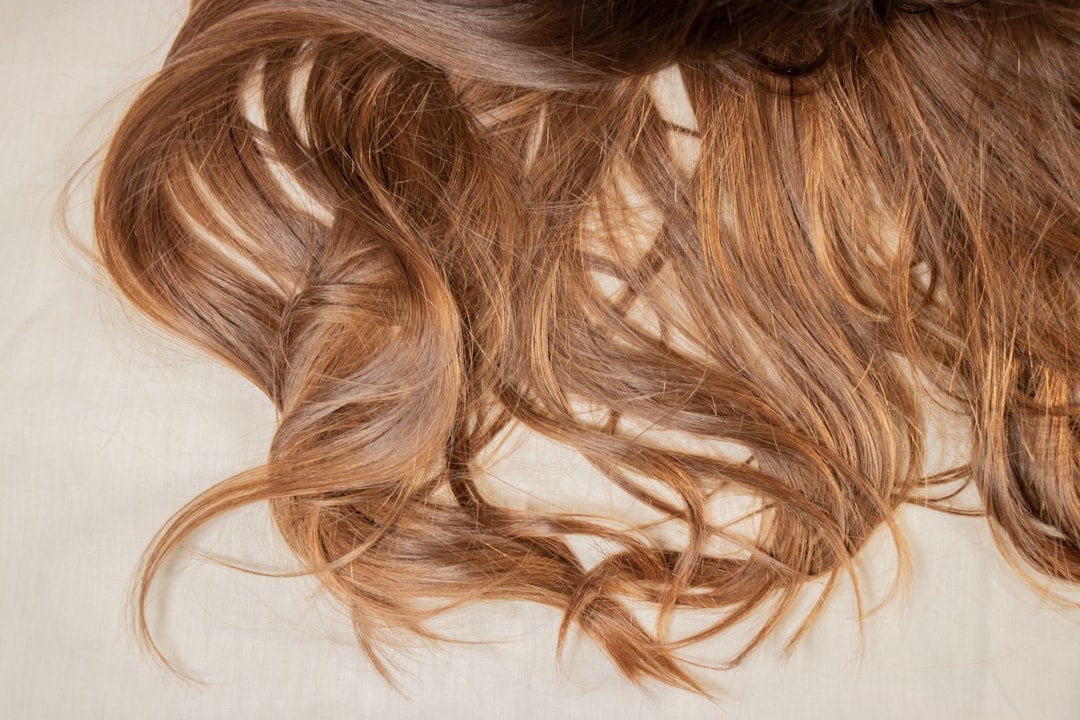
Moisturise heavily for a week before colouring. Well-hydrated hair handles the chemical stress better.
During Application
Apply from the roots downward, but section your hair into at least four quadrants and work methodically. Don’t just glob it on. Use the timer that came in the box, or set your phone—and set it for 5 minutes less than recommended. You can always reapply for longer; you can’t undo over-processing.
After Application
Rinse with lukewarm water, not hot (heat opens the cuticle further). Use the conditioner supplied, or follow with a deep conditioning mask rated for colour-treated hair. Plan for weekly deep conditioning for at least a month after colouring. Trim 1-2 inches every 6 weeks to remove progressively damaged ends.
Professional Colour vs. Box Dye: The Real Differences
A salon colour costs £40 to £80, while box dye costs £3 to £8. What does that money buy you?
- Custom mixing: A stylist matches developer strength to your hair’s porosity and condition, not a guessed average.
- Expertise: A stylist knows how long to leave colour on your specific hair, and can check it mid-process.
- Professional-grade pigments: Salon colours sometimes use gentler formulations because they’re paired with professional aftercare systems.
- Damage assessment: A stylist can identify hair that shouldn’t be coloured until it’s healthier.
- Colour correction: If something goes wrong, a salon can often fix it. Box dye mistakes are harder to reverse.
That said, a salon colour applied to already-damaged hair can still cause problems. The price difference isn’t purely about safety; it’s also about precision and support.
Frequently Asked Questions
Does box dye cause hair loss?
Box dye doesn’t directly cause permanent hair loss. However, if dye causes severe breakage or damage, hair may snap off at mid-length, giving the appearance of thinning. If you experience scalp irritation, redness, or sensitivity, stop use immediately—this could indicate an allergic reaction, which is separate from damage. Allergies to PPD (a dye ingredient) or ammonia are rare but possible.
Can I use box dye on curly or textured hair?
Curly and textured hair is often naturally more porous and drier than straight hair. Box dye’s standard processing time and high peroxide risk more damage. If you have curly hair and want to colour at home, choose a semi-permanent or demi-permanent box dye (much gentler), do a strand test, and reduce processing time by 5-10 minutes. Professional colouring is genuinely safer for textured hair.
How long does box dye last?
Permanent box dye lasts until your hair grows out (typically 4-6 weeks of visible regrowth, 8-12 weeks before regrowth becomes obvious). Demi-permanent lasts 12-24 shampoos, gradually fading. Semi-permanent fades faster, usually within 4-8 weeks. Colour fades faster if you wash in hot water, use clarifying shampoo frequently, or expose hair to chlorine or salt water.
Is there a “safe” box dye brand?
Brands vary in formulation, but there’s no universally “safe” option. Semi-permanent or demi-permanent colours (like Schwarzkopf Perfectly Blonde or L’Oréal Casting Crème Gloss) are gentler than permanent dyes because they use lower peroxide. Read the developer percentage on the box if listed. Lower peroxide (5-10%) means less damage risk, though possibly less dramatic colour results.
Can I use box dye if I have dandruff or a sensitive scalp?
Dyes can irritate a sensitive scalp or exacerbate dandruff. If you have active scalp irritation, dermatitis, or psoriasis, see a doctor before colouring. You can apply dye carefully away from the scalp (using a balayage or root-painting technique), or wait until the condition clears. Never colour if you have scalp wounds, cuts, or severe flaking.
The Verdict: Harm Reduction, Not Taboo
Box dye isn’t absolutely bad for your hair. It’s a chemical product with real risks, managed best through informed decisions and proper technique. The question isn’t “Should I ever use box dye?” but rather “Is my hair in a condition where I can safely use this product, and am I willing to commit to the aftercare it requires?”
If your hair is virgin (never previously dyed), thick, in good condition, and you’re making a modest colour shift, a single box dye application with careful application and diligent aftercare might work fine. If your hair is already treated, fine, or porous, or if you plan repeated applications, a professional is worth the investment. There’s also a middle ground: a demi-permanent or semi-permanent box colour, which offers colour without the harshness of permanent dye, and costs the same.
The real damage happens not because box dye is inherently wrong, but because people use it on unsuitable hair, apply it incorrectly, or repeat applications without giving hair recovery time. If you understand your hair’s condition, respect the product’s strength, and invest in proper aftercare, box dye is a calculated risk, not a guaranteed disaster.