Contents:
- Understanding Why Hair Turns Grey
- Natural Methods to Address Grey Hair
- Boost Your Nutritional Intake
- Manage Stress Deliberately
- Protect Your Hair from Sun Damage
- Medical and Professional Treatments
- Catalase Supplements and Antioxidant Formulas
- Topical Pigmentation Treatments
- Hair Dyes and Colour Treatments
- Laser and Light Therapies
- Strategic Cosmetic Approaches
- Highlights and Lowlights
- Root Touch-Up Sprays and Powders
- Practical Implementation: Your Action Plan
- If You’re Noticing Early Greying (Under 25% Coverage)
- If You’re At Moderate Greying (25-50% Coverage)
- If You’re Extensively Grey (Over 50%)
- FAQ: Your Specific Questions Answered
- Can grey hair turn back to its original colour?
- What’s the difference between white hair and grey hair?
- Are there any proven treatments that don’t involve dye?
- Why do some people go grey earlier than others?
- Is grey hair a sign of a health problem?
- Moving Forward With Confidence
You’re standing in front of the mirror, running your fingers through your hair, and there it is—another silvery strand catching the light. That moment of recognition hits differently each time. Maybe you’re noticing grey hairs for the first time, or maybe they’ve been creeping in for years, and you’re finally ready to do something about it. You’re not alone. Millions of people search for solutions to how to get rid of grey hair every month, desperate for answers that actually work.
The good news? You have options. Real, scientifically-backed options that go far beyond what your parents had available. Whether you want to reverse greying at the root, cover it cosmetically, or embrace it strategically, this guide covers every legitimate approach—from the science of why hair turns grey to the most effective treatments available in 2026.
Understanding Why Hair Turns Grey
Before you can tackle how to get rid of grey hair, you need to understand what’s actually happening. Hair colour comes from melanin, the same pigment that colours your skin. Your hair follicles contain cells called melanocytes that produce this pigment. As you age, these melanocytes gradually produce less melanin. Eventually, they stop working altogether, and your hair grows in white.
Here’s the specific breakdown: each hair follicle has its own timeline. One follicle might stop producing melanin at 30; another might work productively until you’re 70. This is why grey hair appears in patches rather than all at once, and why some people go completely grey by their 40s whilst others barely show any silver at 60.
What triggers this process? Genetics accounts for approximately 75% of when you’ll go grey. If both your parents went grey early, you probably will too. But genetics isn’t destiny. Environmental factors—stress, smoking, nutrient deficiencies, sun exposure, and even certain medical conditions—can accelerate greying by 5 to 15 years, according to research from trichologists across Europe.
Natural Methods to Address Grey Hair
Boost Your Nutritional Intake
Your hair is only as healthy as your diet. Grey hair often correlates with specific nutrient deficiencies that you can actually reverse. Copper, zinc, B vitamins, iron, and vitamin D all play direct roles in melanin production.
Copper is particularly crucial—it’s a cofactor in the enzyme tyrosinase, which converts the amino acid tyrosine into melanin. If you’re copper-deficient, your body literally cannot produce pigment. You’ll find copper in oysters (approximately 7.6mg per 100g), dark chocolate, almonds, and chickpeas.
Vitamin B12 deficiency is remarkably common and directly linked to premature greying. A study published in the Indian Journal of Dermatology found that B12 supplementation in deficient individuals actually restored some pigmentation. Include sardines, beef, salmon, and fortified cereals in your diet, or ask your GP about B12 testing if you suspect you’re deficient.
Iron and zinc support healthy hair growth and melanin production. Aim for 18mg of iron daily (women aged 19-50) and 8-11mg of zinc. Red meat, lentils, pumpkin seeds, and oysters deliver both in concentrated doses.
Vitamin D influences melanin synthesis. Many Britons don’t get enough sun exposure during winter months. Consider a daily D3 supplement (1000-2000 IU) or increase fatty fish intake.
Manage Stress Deliberately
Stress accelerates greying through multiple mechanisms. High cortisol levels deplete copper stores, reduce antioxidants, and promote inflammation—all of which suppress melanin production. This isn’t speculation; it’s measurable physiology.
A hairstylist from Manchester named Sarah Thompson shared her experience: “I noticed I went grey incredibly fast during a 18-month period when I was running two salons. My natural brown hair was 60% silver by the time I stepped back and truly prioritised rest. Within two years of meditation and actual holidays, the new growth coming through had colour again. I never expected to see my natural colour return at all.”
Practical stress reduction isn’t about bubble baths and candles. It’s about consistent nervous system regulation. Aim for 20 minutes of deliberate stress-reduction activity daily—whether that’s running, meditation, yoga, or gardening. Track your cortisol through consistent sleep and movement patterns rather than expensive testing.
Protect Your Hair from Sun Damage
UV radiation damages the hydrogen peroxide that your hair naturally contains. Normally, an enzyme called catalase breaks down this hydrogen peroxide. But as you age, catalase production declines, and hydrogen peroxide accumulates, literally bleaching your hair from the inside out.
Sun exposure accelerates this process significantly. If you spend hours outdoors—whether gardening, hiking, or at the seaside—use a UV-protective spray on your hair. Products like those containing avobenzone or titanium dioxide create a barrier. Alternatively, wear a hat during peak sun hours (10am-3pm). This simple change can slow visible greying by an estimated 2-3 years.
Medical and Professional Treatments
Catalase Supplements and Antioxidant Formulas
Since catalase depletion is a core mechanism of greying, supplementing with catalase or its precursors makes biological sense. Products containing catalase, L-tyrosine, and copper peptides are available from pharmacies and online retailers in the UK, typically ranging from £15-40 per month.
Does it work? Results vary significantly based on how early you intervene and your individual genetics. Some people report slowing visible greying; others see no change. The evidence is mixed but promising enough that dermatologists in the UK occasionally recommend these for people with early-stage greying combined with nutritional deficiencies.
Topical Pigmentation Treatments
A newer category of products—sometimes called “colour cosmetics” or “pigment-restoring serums”—use specialised peptides and melanin precursors to gradually darken hair. Brands like Mellanox and similar science-backed products available in 2026 show measurable results in clinical photos. Expect to see subtle darkening over 8-12 weeks of consistent use.
What the Pros Know: Professional colourists often recommend these products to clients who are starting to grey but aren’t ready for permanent colour. They work best on fine, light-coloured hair and on very early-stage greying (less than 30% coverage). Combined with regular trims, they can delay conventional colouring by 1-2 years.
Hair Dyes and Colour Treatments
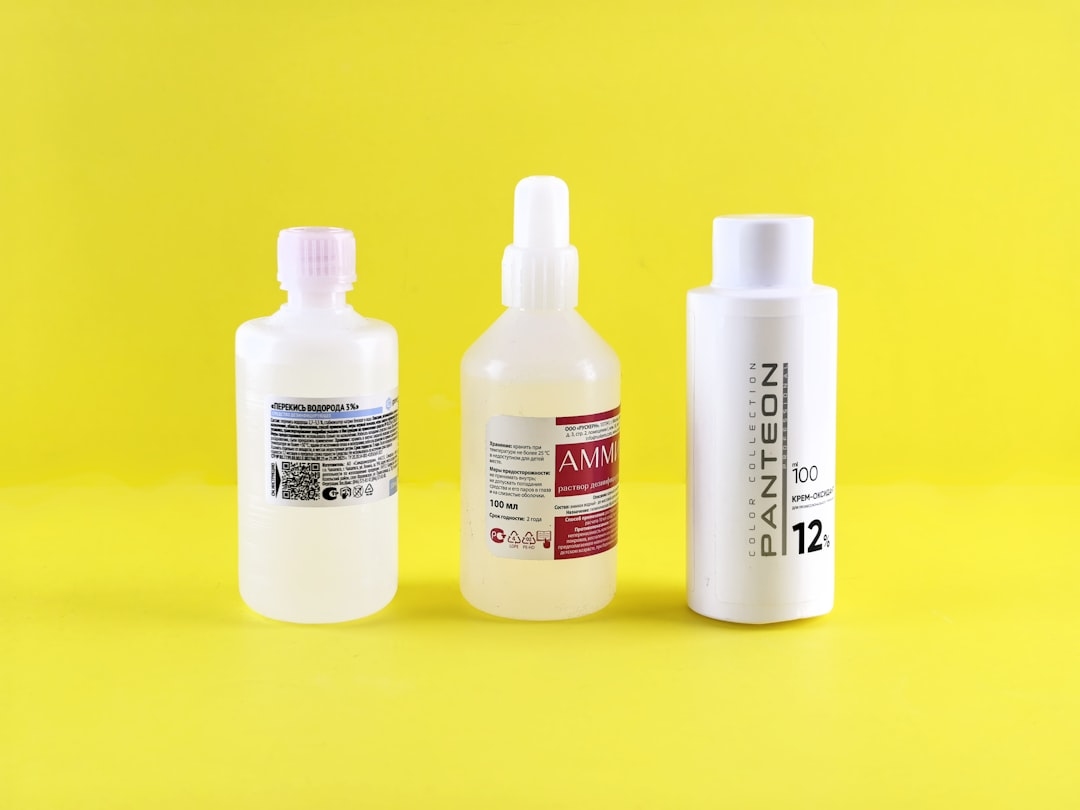
This remains the most effective and immediately visible solution. Semi-permanent dyes wash out gradually but don’t contain ammonia and peroxide. Demi-permanent dyes last longer and contain lower volumes of developer. Permanent colour delivers the most control and longevity but requires higher-strength chemicals.
For covering grey hair specifically: permanent colour is most reliable. A qualified colourist at a salon will likely charge £40-80 for a full head colour, with touch-ups every 4-6 weeks costing £25-50. At-home kits cost £5-15 but require more precision to avoid damage and uneven results.
Natural dyes—henna, indigo, and plant-based alternatives—are gentler and increasingly effective. Henna produces warm orange-red tones and actually conditions hair. Indigo produces darker shades when layered over henna. Expect to spend 2-3 hours on application and £10-25 per treatment.
Laser and Light Therapies
Low-level laser therapy (LLLT) and red light therapy are emerging treatments. The theory: specific wavelengths of light stimulate melanocyte activity and improve scalp blood flow. Clinical evidence remains limited but growing. Sessions typically cost £100-300 per appointment, with courses requiring 10-20 sessions.
Be cautious with broad claims. Some clinics oversell these treatments. Ask for peer-reviewed clinical data before committing to a course. One credible source is Dr. Helena Ortega, a trichologist based in London, who notes: “Red light therapy shows promise in early-stage research, but realistic improvement takes months and works best alongside nutritional support and lifestyle changes. It’s not a standalone solution.”

Strategic Cosmetic Approaches
Highlights and Lowlights
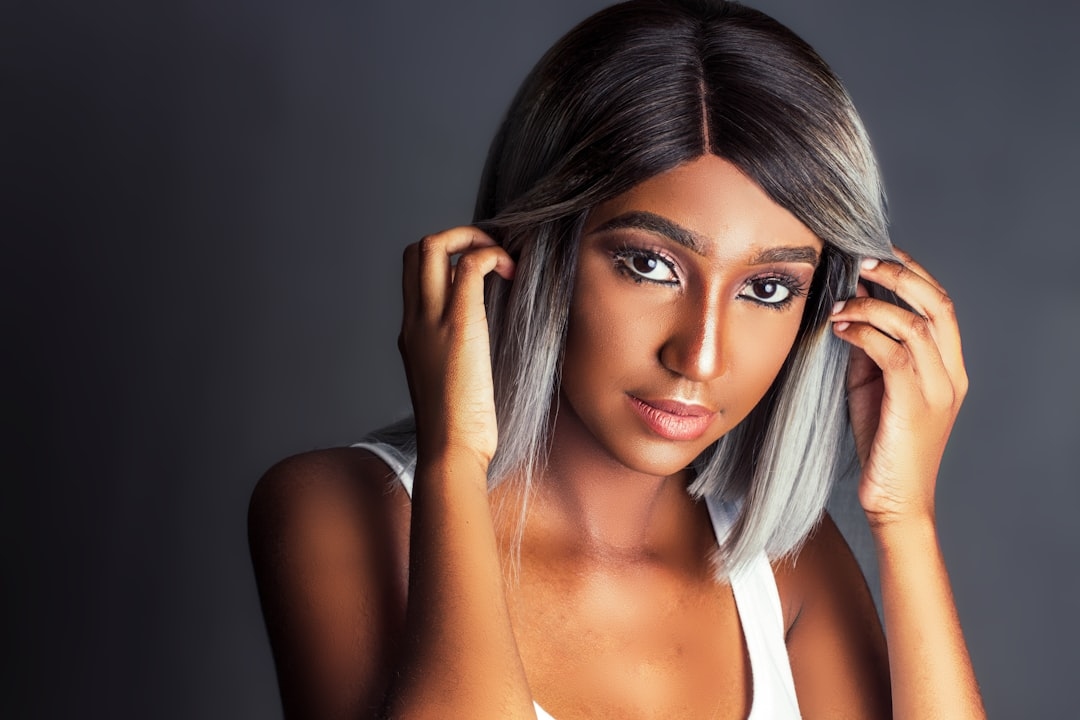
Instead of covering all your grey, consider a blended approach. Strategically placed highlights create the illusion of less grey by breaking up the contrast. Lowlights (darker strands woven through) add depth. This technique requires less frequent maintenance than full colour and looks more natural as regrowth appears.
A professional colourist can create a custom blend that matches your natural undertone. Budget £60-120 for initial highlights with touch-ups every 8-12 weeks at £40-80.
Root Touch-Up Sprays and Powders
These temporary solutions use pigmented powders that wash out with shampoo. They’re ideal for bridging gaps between colour appointments. Brands available on the UK market include Color Wow, Batiste, and Tresemmé. Prices range from £6-15 per bottle. They work best on dark hair where grey roots are most visible.
Practical Implementation: Your Action Plan
If You’re Noticing Early Greying (Under 25% Coverage)
Start with lifestyle intervention. This is where you actually have the most control. For the next 90 days:
- Add two copper-rich foods to your weekly meal plan (oysters, dark chocolate, almonds)
- Take a B-complex vitamin daily and test B12 levels with your GP
- Implement daily stress reduction for 20 minutes
- Wear UV-protective hair spray or a hat during outdoor activities
- Add a topical pigmentation treatment if you want additional support
Measure results by photographing your hair under consistent lighting at day 1, week 6, and week 12. You’re looking for slowing of visible greying, not reversal (though some people do see limited reversal with early intervention).
If You’re At Moderate Greying (25-50% Coverage)
Lifestyle changes alone likely won’t completely solve this, but they’ll improve hair health significantly. Add professional colour to your routine. A semi-permanent dye is the lowest-commitment option; permanent colour offers better coverage.
Combine with: nutritional support, stress management, and UV protection. This multi-pronged approach keeps colour-treated hair healthier and can extend the time between treatments.
If You’re Extensively Grey (Over 50%)
Professional colour is essentially non-negotiable if you want consistent coverage. Permanent colour every 4-6 weeks with quality products from your salon is the realistic standard. Invest in purple-toning shampoos (£8-12) to prevent yellowing between appointments.
The nutritional and lifestyle support still matters—it improves overall hair health, shine, and thickness, which makes coloured hair look better.
FAQ: Your Specific Questions Answered
Can grey hair turn back to its original colour?
Limited reversal is possible if you intervene very early (within the first few months of greying) with aggressive nutritional supplementation, especially B12 and copper. However, most published cases show only partial pigmentation return, not complete restoration. Once melanocytes are fully inactive, reversal is essentially impossible. Realistic expectation: slowing of greying and improved health of new growth, not reversing existing grey hair.
What’s the difference between white hair and grey hair?
Grey hair is a mixture of pigmented and non-pigmented strands. White hair has zero melanin. Technically, once hair is white, it can’t become grey again—it’s the complete absence of colour. However, if new hair growth begins with some pigment production (through nutritional or lifestyle intervention), it grows in grey rather than white, which appears as a gradual shift in your overall hair colour.
Are there any proven treatments that don’t involve dye?
Catalase supplements, copper and B12 supplementation, topical pigment-restoring serums, and red light therapy all have research supporting them, though results vary considerably by individual. None are as immediately effective as dye. Combined as a comprehensive approach, they can slow visible greying and improve overall hair health. See results within 8-12 weeks minimum; most people see changes over 6 months.
Why do some people go grey earlier than others?
Genetics is the primary factor (75% of the equation). Secondary factors include ethnicity (Caucasians typically grey earlier than Asian or African populations), smoking (accelerates greying by 4 times), nutritional deficiencies, chronic stress, and certain medical conditions like thyroid disorders and pernicious anaemia. Family history is your strongest predictor.
Is grey hair a sign of a health problem?
Premature greying (before age 20-30) can indicate vitamin B12 deficiency, thyroid disorders, or vitiligo. If you’re greying unusually early, ask your GP to check B12, thyroid function, and vitamin D levels. Most commonly, early greying is simply genetic. But it’s worth ruling out treatable nutritional deficiencies, especially B12, which has other serious health implications if left untreated.
Moving Forward With Confidence
How to get rid of grey hair isn’t a one-size-fits-all question. Your answer depends on how much grey you have, your lifestyle tolerance, your budget, and whether you want a cosmetic solution or to address the underlying biology.
What matters most is making a choice and committing to it. Whether that’s a professional colour routine, a nutritional overhaul, or a combination of approaches, consistency matters more than perfection. The visible change you see in six months comes from what you do today, next week, and next month—not from any single treatment.
Start with one intervention this week: book a salon appointment, order a copper supplement, or schedule your GP visit for B12 testing. Small actions compound. In three months, you’ll know whether you’ve found an approach that works for you, and you can adjust from there. Your hair will be healthier regardless of the path you choose.